
Employee Polygraph Protection For Employers

Employee Polygraph Protection rules limit workplace testing. Learn EPPA restrictions, exceptions, notices, retaliation risks, and records.
Employee Polygraph Protection rules limit workplace testing. Learn EPPA restrictions, exceptions, notices, retaliation risks, and records.
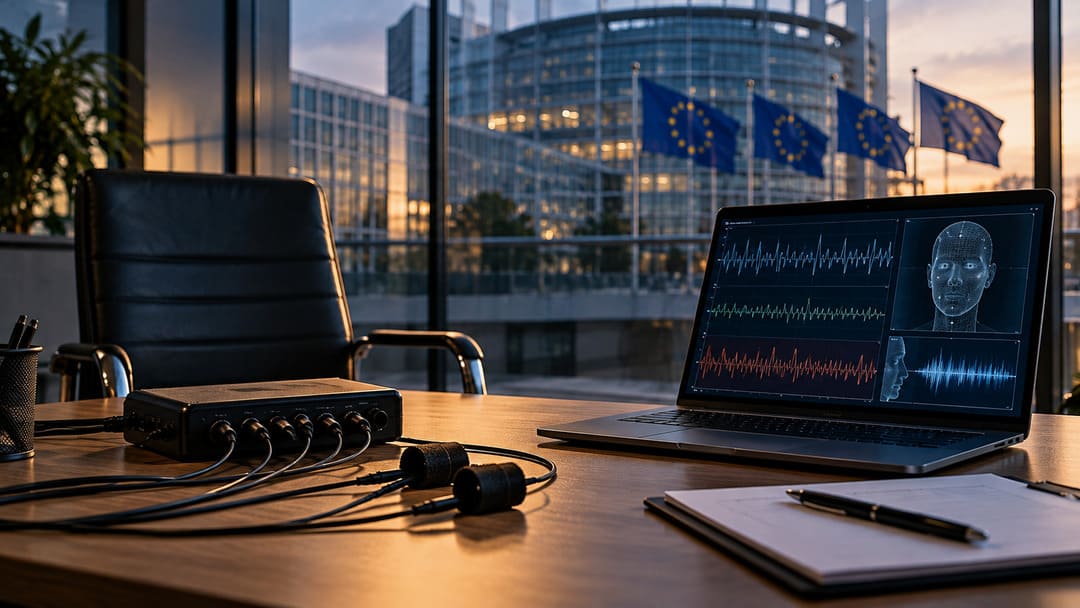
Imagine an employer using artificial intelligence to analyse an employee’s facial expressions, eye movements and voice during an investigation. The software generates a credibility score, supposedly identifying whether the employee is concealing information. Now imagine police using a different AI-assisted system to evaluate physiological responses during a criminal investigation. Both technologies might be marketed as … Read moreEU AI Act Polygraph Rules: Workplace Ban vs High Risk

Polygraph Misuse lessons from Maine show why licensing, records, and contract oversight matter for ethical workplace screening.

AI Polygraph Modernization limits show why Pentagon testing tools need human review, transparency, and cautious legal handling.

Pentagon Polygraph Testing in August 2026 raised trust, scope, AI, and workplace integrity questions for sensitive organizations.

Polygraph Testing Impact in high-risk workplaces: stress risks, limits, examiner safeguards, and practical controls for fairer decisions.
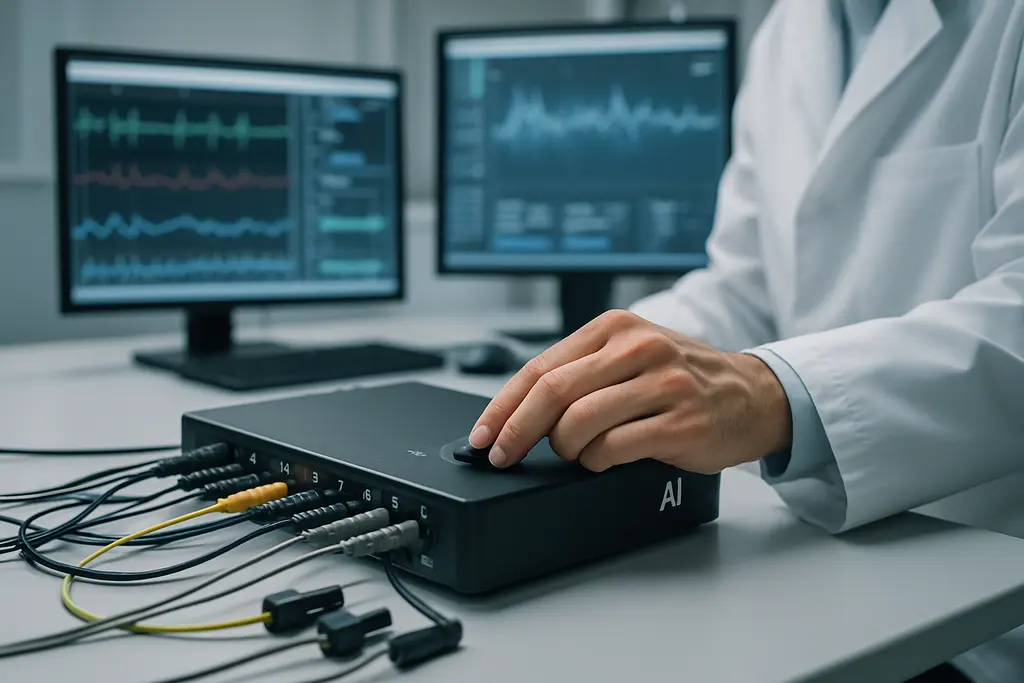
AI polygraph modernization is now narrower at DCSA: no generative AI, LLMs, facial emotion coding, or voice analysis in active R&D.
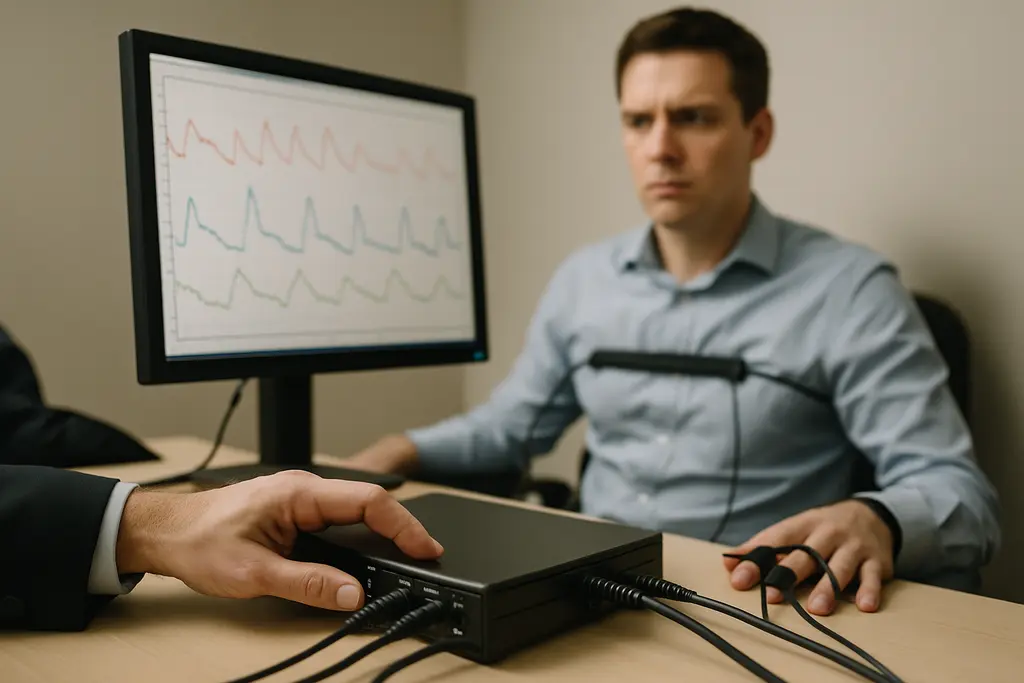
Learn what a polygraph examination involves, how results are reviewed, and what recent reports suggest for workplace integrity decisions.
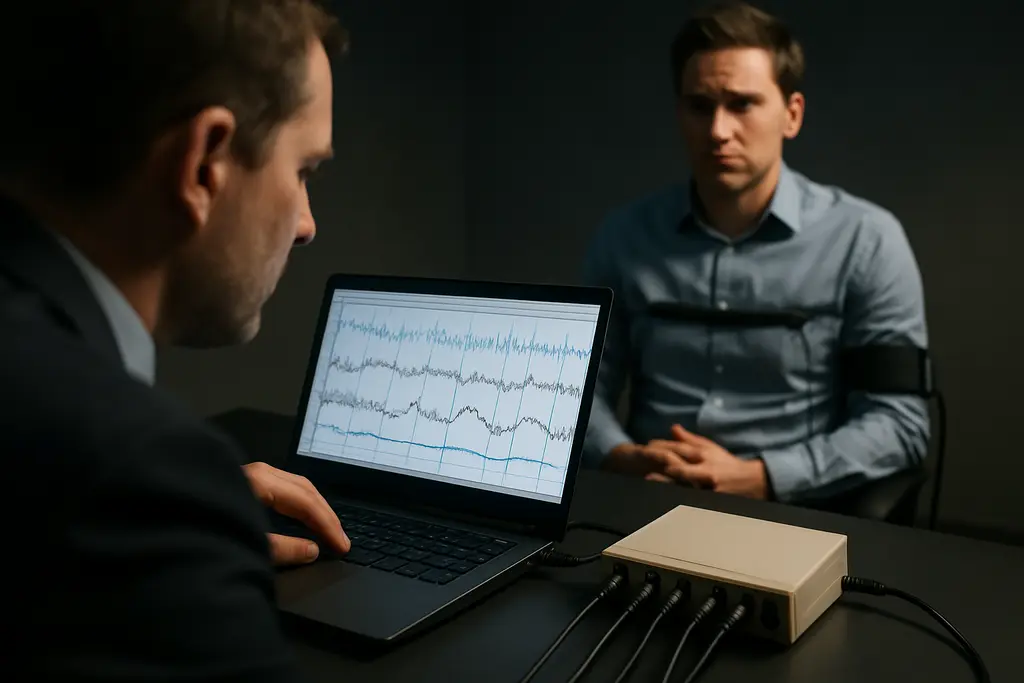
Polygraph Ethics guide for workplace leaders weighing high-stakes investigations, legal limits, consent, accuracy risk, and fair process.
ADA Polygraph Compliance requires careful timing, question design, and documentation under EEOC and 2026 federal contractor rules.