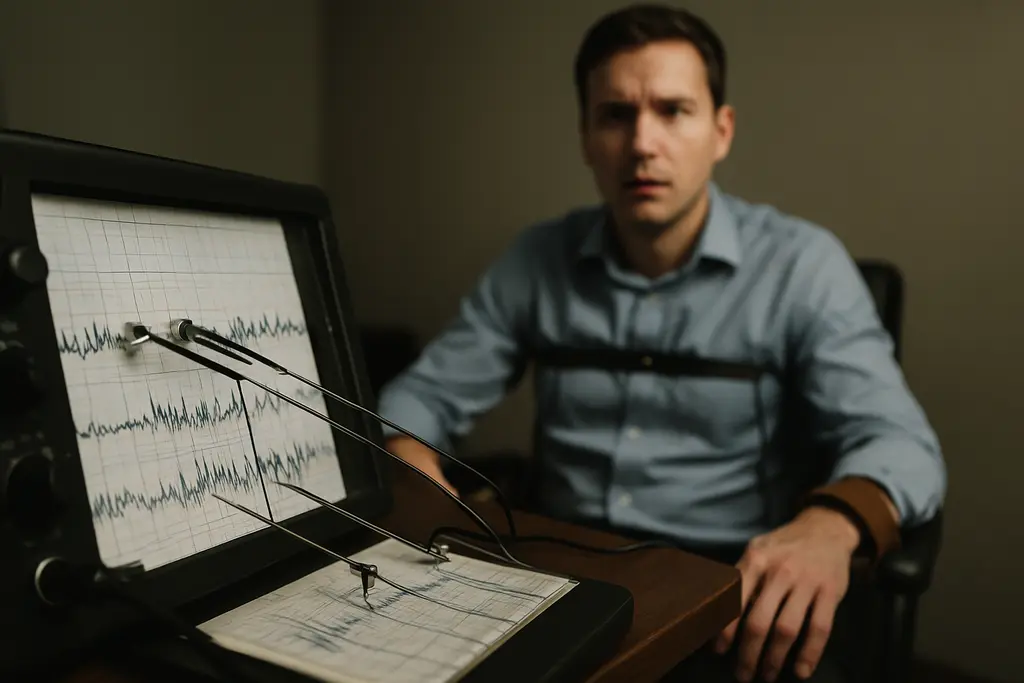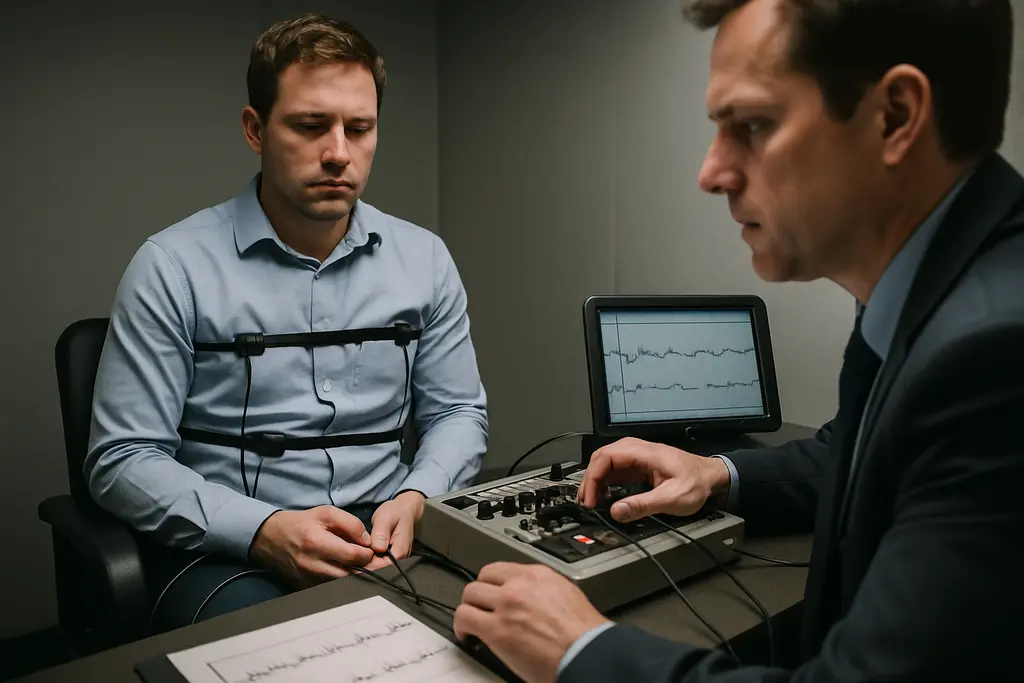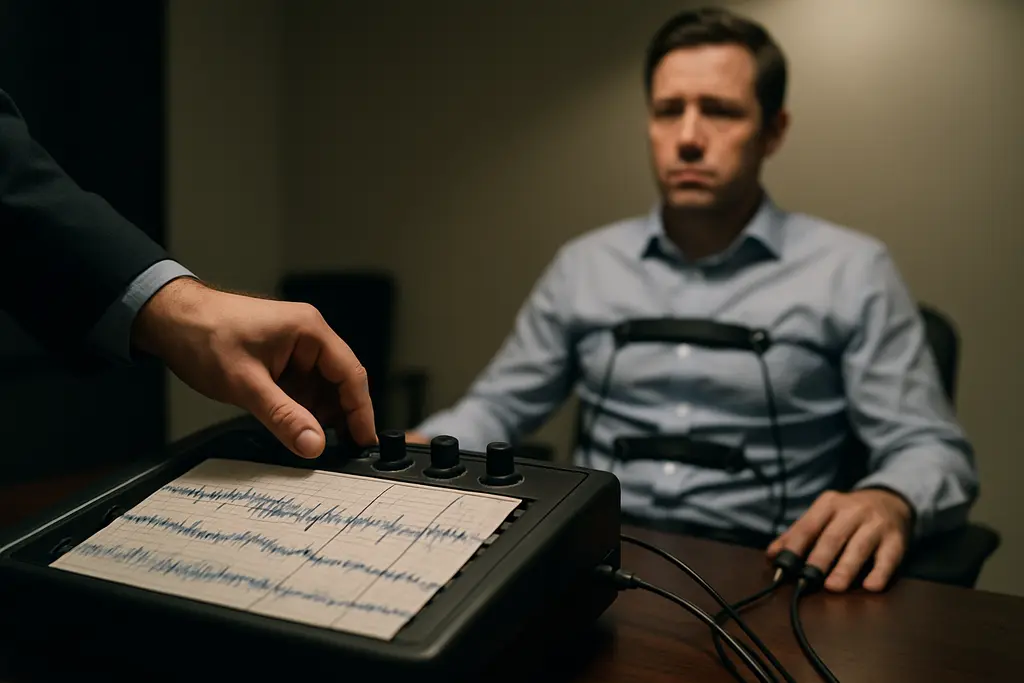
Ethical Polygraph Administration Builds Trust
Ethical polygraph administration can support workplace trust when legal limits, communication, and quality controls are handled with care.
Polygraph employee rights under EPPA limit private employer testing, define notice duties, and protect examinees during permitted exams.
Polygraph ethics at work require clear legal limits, consent safeguards, qualified examiners, and cautious use of test results.
Federal Hiring Transparency improved in 2026 as federal agencies shifted from automatic bars toward context, clearer appeals, and safeguards.
DHS polygraph fairness depends on clear notice, proportionate questioning, documented limits, and review when careers or clearances are at stake.
What DOL’s August 2026 Section 503 rule means for pre-offer disability inquiries, ADA limits, and polygraph question design.
Polygraph employment rules changed through penalty updates and ongoing EPPA oversight. See what private employers should review now.
EPPA Recordkeeping under DOL rules means preserving polygraph records for three years. Learn what the 2026 extension request means for HR teams.
FBI polygraph guidance now weighs some applicant conduct by context and timing; here is what changed and why disclosure still matters.
ethical polygraph testing requires timely disclosure, careful limits, and corroboration when allegations expose weak practice.