
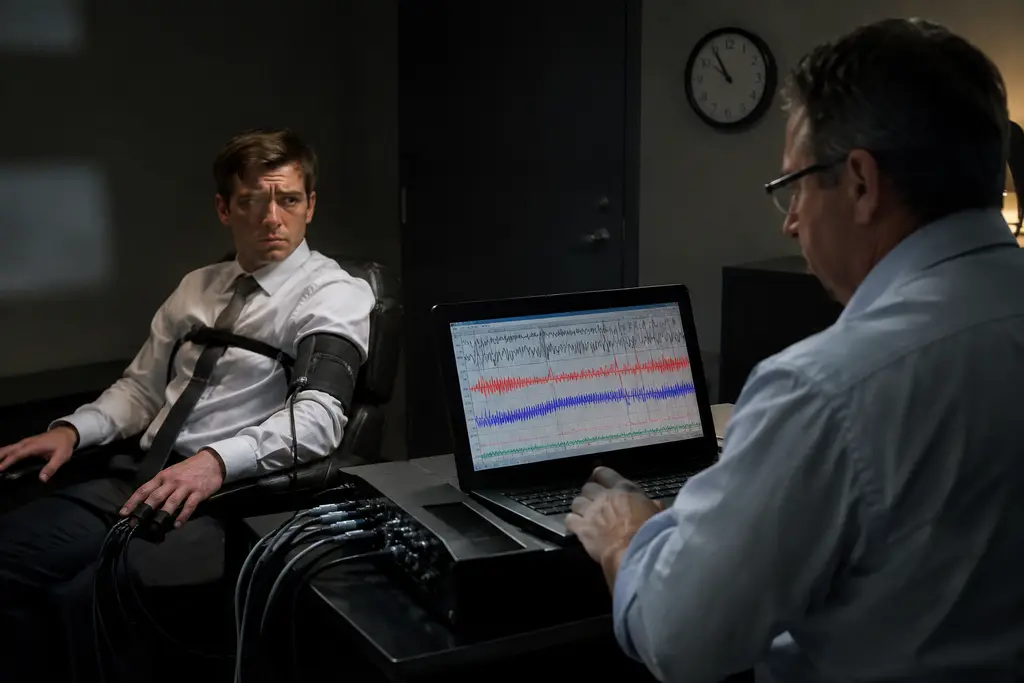
Pentagon Polygraph Testing became a workplace integrity issue after reported August 2026 leak inquiries involving members of the Joint Staff. For employees, the concern was not only whether a leak investigation was legitimate. The harder question was whether the testing process gave examinees enough notice, privacy protection, and confidence that results would be interpreted with restraint.
Leak inquiries inside national security agencies are not ordinary workplace matters. They can involve classified information, clearance consequences, reputational harm, and intense pressure on managers to identify the source of disclosure. A polygraph can provide investigative information, but it does not remove the need for clear scope, careful communication, and fair treatment. In high-pressure settings, those safeguards are not procedural extras; they are part of the evidence quality itself.
Pentagon Polygraph Testing And Leak Scope
Why Pentagon Polygraph Testing Drew Attention
According to reporting on the August 2026 inquiry, roughly 50 Joint Staff members, including military and civilian personnel, were given polygraph examinations during a probe into leaks concerning depleted U.S. munitions stocks in the war with Iran. The same report described the Joint Staff as comprising between 1,500 and 2,000 officers and officials, making the testing of about 50 people a broad measure among senior ranks reported by The New York Times.
The scale made Pentagon Polygraph Testing more than a technical investigative step. It affected how employees might view the organization’s internal culture. Even where a leak inquiry has a legitimate security purpose, a broad testing group can make employees wonder whether they are witnesses, suspects, or simply part of a screening population. That distinction matters because the perceived purpose of an examination can shape trust before the first question is asked.
What Scope Signals To Employees
Scope is not only about how many people are tested. It also includes who is selected, what issue is being examined, how questions are framed, and what consequences may follow. A narrow, clearly stated inquiry can help employees understand why they were included. A broad or poorly explained inquiry can create the impression that the process is being used to generate pressure rather than to assess a defined investigative issue.
For compliance leaders, the lesson is practical. If a polygraph is used in a sensitive inquiry, the organization should be able to explain the connection between the testing group and the investigative need. That explanation does not require disclosing classified or protected details, but it should reduce avoidable ambiguity. Unclear scope invites speculation, and speculation can weaken cooperation even among employees who want the inquiry handled properly.
Employee Concerns In Leak Investigations
Notice, Consent, And Perceived Pressure
Employee concerns reported in 2026 centered on pressure, lack of clear accusation, and uncertainty about the consequences of refusal. Separate reporting described claims by current and former government employees of a climate of fear involving compelled polygraphs, non-disclosure agreements, and internal pressure, with concerns that some employees did not receive a transparent accusation or an adequate chance to respond reported by The Guardian.
Those concerns should be taken seriously without assuming every examination was improper. In a security environment, management may believe rapid action is needed. Employees, however, may experience the same action as coercive if expectations are unclear. The word “voluntary” carries little practical meaning if an employee believes refusal may threaten employment status, clearance standing, or professional reputation.
Privacy And Reputation Risk
Privacy is another central concern. Polygraph results, examination notes, and related security judgments can be sensitive because they may affect how colleagues, supervisors, and future decision-makers view an employee. Even an inconclusive or disputed result can carry reputational weight if shared too broadly.
A cautious integrity program should separate investigative need from workplace rumor. Access to polygraph-related information should be limited to people with a legitimate role in the inquiry. Employees should also understand, as far as policy allows, who may see the result, how it may be used, and whether they will have an opportunity to respond to adverse interpretations. These controls do not guarantee agreement, but they reduce the chance that the test becomes a substitute for fair review.
Method Limits And Interpretation Risks
Physiology Is Not A Direct Measure Of Truth
Polygraph instruments record physiological responses such as heart rate, perspiration, and breathing. Those signals may be relevant to an examination, but they are not direct observations of deception. Stress, fear, anger, confusion, medical factors, and the stakes of the setting may influence physiological responses. In a leak inquiry involving senior personnel, the pressure of the situation itself can be substantial.
This is why examination results should be treated as investigative information rather than a stand-alone verdict. A result may justify follow-up questions, document review, access-log analysis, or interviews. It should not replace corroboration. The higher the consequence for the employee, the stronger the need for independent support before management treats the result as decisive.
Technology Claims Need Restraint
Modernization can improve administration, record handling, or quality control, but technology language can also create false confidence. Employee trust suffers when tools are described as if they can reliably identify truthfulness without context. In workplace integrity work, cautious wording is better than inflated claims. A polygraph-related tool may assist an examiner or investigator; it should not be presented to employees as a certainty machine.
That restraint applies to both traditional physiological testing and newer proposals involving speech, facial expression, or sentiment indicators. Employees are more likely to accept a difficult process when leaders acknowledge what the method can and cannot show. Overstating accuracy can damage the credibility of the entire inquiry.
Fair Process Controls For Workplace Integrity

For organizations reviewing lessons from national security leak probes, the key question is not whether every workplace should copy a government model. Most employers face different rules, risks, and obligations. The better question is how to preserve integrity while reducing avoidable harm to employees.
- Define the issue before testing. The examination should focus on a specific matter, not a vague search for disloyalty.
- Explain the employee’s status. Where possible, employees should know whether they are witnesses, subjects, or members of a defined screening group.
- Limit access to results. Polygraph information should be shared only with those who need it for the inquiry.
- Require corroboration. A result should be weighed with documents, access records, interviews, and other evidence.
- Give a response opportunity. Employees should have a meaningful chance to address adverse interpretations before major action is taken.
These controls are not a guarantee against dispute. They are a way to make the process more defensible and less dependent on authority alone. Related analysis on polygraph transparency reaches a similar practical point: trust depends on clarity about purpose, limits, and use of results.
Workplace integrity also depends on institutional tone. If employees believe the process is designed to confirm suspicion, cooperation may narrow. If they believe the process is bounded, evidence-based, and respectful of privacy, the same difficult inquiry may be more likely to produce useful information. For broader integrity and compliance perspectives within the same network, AGHEIRO workplace integrity resources may be useful background reading.
Pentagon Polygraph Testing And Workplace Integrity
Pentagon Polygraph Testing in the August 2026 leak context shows why employee concerns cannot be dismissed as resistance to accountability. Employees can support leak prevention and still question the fairness of a process that feels broad, opaque, or career-threatening. Those two positions are not inconsistent.
For employers, the practical lesson is restraint. A polygraph may assist a defined inquiry, but it should sit inside a wider evidence system. Clear scope, limited disclosure, careful interpretation, and a genuine chance to respond are essential if the process is meant to support integrity rather than fear. In sensitive workplaces, trust is built not by promising certainty, but by showing that every investigative step has a legitimate purpose and a fair boundary.