
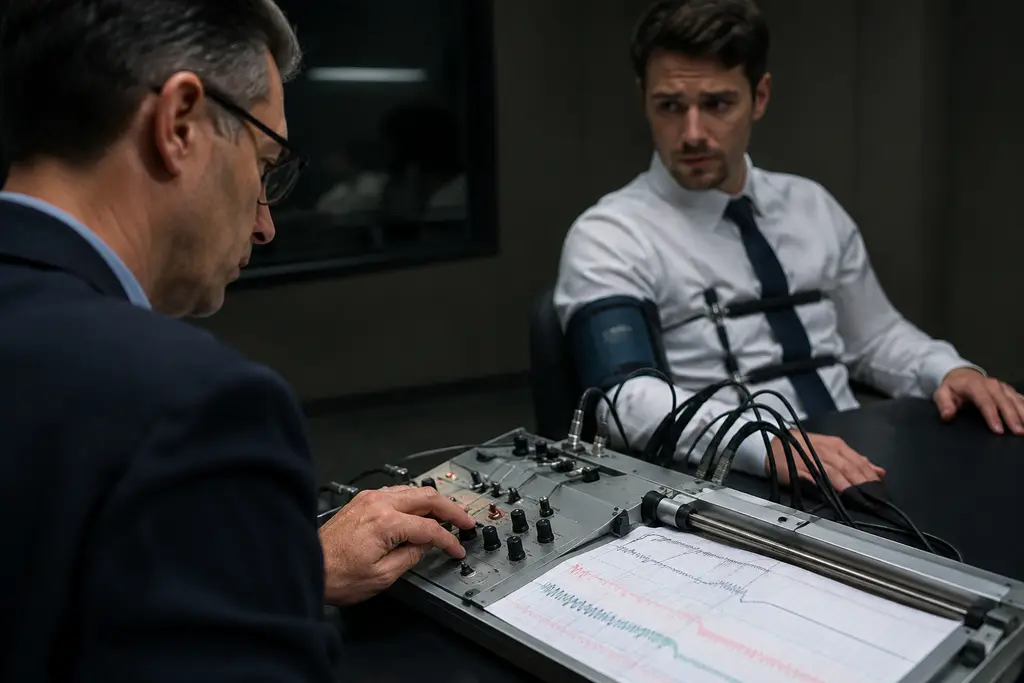
FBI Polygraph Standards changed in 2026 in a way that deserves careful attention from employers, investigators, and legal-risk teams. The reported shift did not remove polygraph-related review from the hiring process. It changed how certain disclosures about past conduct are treated: some conduct that once appeared to trigger automatic disqualification may now receive case-by-case review, depending on timing, frequency, age, context, and whether the applicant held a position of trust.
That distinction matters because polygraph procedures often sit at the point where truthfulness, personal history, institutional risk, and fairness meet. A rule that is too rigid can fail to account for coercion, youth, or victimization. A rule that is too flexible can raise concerns about blackmail exposure, courtroom credibility, public confidence, and internal discipline. The FBI update is therefore not just a hiring story; it is a practical study in how integrity systems try to balance disclosure with judgment.
What FBI Polygraph Standards Changed
The Shift From Automatic Bars
The central reported change was a move away from automatic disqualification for several categories of past conduct. CBS News reported that an internal FBI memo dated June 16, 2026 revised eligibility rules so that certain past actions, including soliciting prostitution, engaging in bestiality, or theft from an employer, would be reviewed on a case-by-case basis rather than always leading to automatic disqualification CBS News reported.
Separate public scrutiny focused on changes made before that memo. A September 14, 2026 Senate Judiciary press release stated that the FBI’s February 28, 2025 Employment Eligibility document removed “engagement in prostitution or bestiality” from its automatic disqualifiers list Senate Judiciary Democrats stated. That public record also described concerns from legislators who questioned how the standards were developed and implemented.
For readers tracking this issue across related hiring-policy analysis, a prior discussion of FBI polygraph criteria examined how applicant history may be assessed by context rather than treated only as a binary pass-or-fail issue.
Positions Of Trust Still Matter
FBI Polygraph Standards did not appear to make all prior conduct irrelevant. The reported framework still treats certain circumstances as more serious, especially where the applicant previously held a position of trust. The research record identifies public safety, education, health, social work, finance, and law as examples of such positions. Under the reported criteria, applicants who solicited sex while serving in those roles may still face disqualification.
Timing and frequency also appear central. The research record states that paying for sex fewer than three times, more than ten years ago, may no longer automatically disqualify an applicant if the person was not in a position of trust at the time. Theft from an employer is also reported to be treated differently if the incident occurred more than three years earlier. Those thresholds should not be read as guarantees of eligibility. They signal that the review has shifted from a fixed bar to a fact-specific evaluation.
| Issue Disclosed | Reported Treatment Under Updated Criteria | Integrity Question Raised |
|---|---|---|
| Soliciting prostitution | May receive case review depending on frequency, timing, and position of trust | Whether past conduct creates present vulnerability or credibility risk |
| Theft from an employer | No longer reported as automatic disqualification if more than three years old | Whether the conduct reflects a continuing honesty concern |
| Bestiality or animal cruelty | Reportedly assessed with attention to age, abuse, and role in the conduct | Whether the applicant was a victim, a minor, or an active perpetrator |
Why Case Review Raises Integrity Questions
Disclosure Is Still Central
FBI Polygraph Standards remain tied to disclosure. The practical concern is not only what an applicant did in the past, but whether the applicant reports it honestly during the process. According to the research record, disclosure of past sexually deviant behavior during the polygraph-related interview now triggers follow-up questions about timing and frequency rather than an automatic failure in every case. That keeps the applicant’s candor at the center of the review.
This is one reason polygraph-related interviewing should not be described as a machine-driven verdict. A polygraph examination records physiological responses during questioning; it does not independently reconstruct the applicant’s life history. The surrounding interview, documented disclosures, consistency of statements, and suitability review determine how the information is used. In a trust-sensitive hiring setting, the method works as one input in a broader process, not as a substitute for judgment.
The Risk Of Overcorrecting
The concern expressed by critics is that flexibility can become under-screening if it is not controlled. The research record notes that legal experts and some current or former agents worried that the changes could lower hiring standards, increase blackmail risk, reduce courtroom credibility, or expose the agency to reputational harm. Those concerns are not abstract. Law enforcement employees may testify in court, handle sensitive records, and exercise public authority. Any past conduct that can be exploited or used to challenge credibility deserves structured review.
At the same time, the reported defense of the changes is that automatic bars may unfairly exclude applicants who were victims of sexual abuse or were forced into degrading acts. That is a serious counterpoint. A system that treats victimization the same as voluntary misconduct can produce unjust outcomes and may discourage truthful disclosure. The harder task is drawing a line between compassionate review and diminished standards.
Workplace Lessons From The FBI Update

Policies Should Separate Eligibility From Evidence
Private employers should be careful about drawing direct lessons from federal law-enforcement hiring. The FBI has national-security, criminal-justice, and public-trust duties that differ from ordinary workplace screening. Still, the policy structure offers a useful distinction: eligibility rules and evidence review are not the same thing. A disclosure may be relevant without being automatically decisive. A past incident may require review without proving present unfitness.
That distinction is valuable for workplace integrity programs. Employers that use investigative tools, including polygraph services where legally permitted, should define the purpose of the examination before any test occurs. Is the question about theft, policy violation, access to sensitive information, or candidate suitability for a trust-sensitive role? A vague purpose increases the risk that results will be given more weight than they deserve.
Trust Requires A Reviewable Process
FBI Polygraph Standards also show why documentation matters. Case-by-case review can support fairness only if the criteria are clear enough to be applied consistently. Decision-makers should be able to explain which facts mattered, which facts did not, and why similar cases were treated similarly or differently. Without that record, discretion can look arbitrary even when the intent is reasonable.
For corporate settings, the practical safeguards are familiar: written policies, limited questioning, trained examiners, informed consent where required, confidentiality controls, and a clear separation between the examiner’s role and the employer’s final decision. No test result should be presented as certainty. No applicant or employee should be left unclear about the issue under review. Site networks can cover very different community and professional subjects; like this publication and the related network resource Bethel NC UMC.
FBI Polygraph Standards And Employee Trust
A Cautious Path For Employers And Agencies
The 2026 debate over FBI Polygraph Standards points to a wider truth about workplace integrity: trust is strengthened when institutions ask hard questions, but it is weakened when they imply that any single procedure can provide certainty. A fair process should encourage truthful disclosure, distinguish victimization from misconduct, and still protect the organization from avoidable risk.
The most defensible approach is neither automatic exclusion in every hard case nor unchecked discretion. It is a structured review that asks specific questions: How old was the conduct? How often did it occur? Was the person in a position of trust? Was the person coerced, abused, or a minor? Does the conduct create a present integrity, credibility, or security concern? Has the applicant been candid throughout the process?
Those questions do not remove uncertainty. They make the uncertainty visible and reviewable. For agencies and employers that rely on polygraph-related screening, that is the practical standard worth preserving: use the tool carefully, document the reasoning, acknowledge the limits, and keep employee trust connected to transparent decision-making rather than unsupported claims of certainty.