
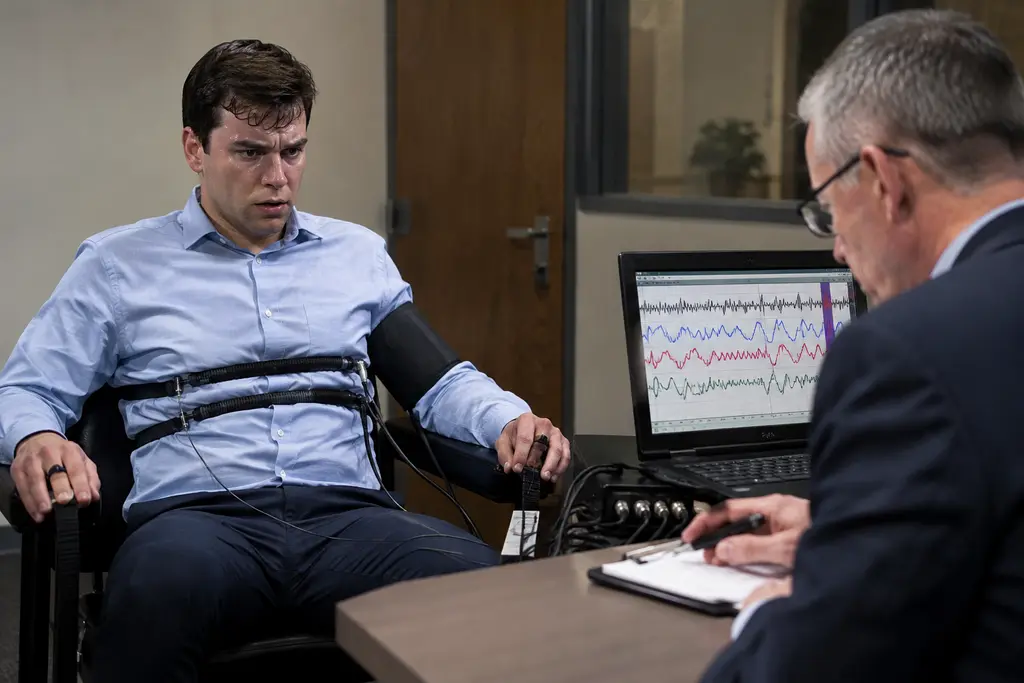
Polygraph Misconduct in the Regan Goan case raises a practical ethics question for any organization that uses screening tools: what happens when a process meant to support integrity is itself alleged to have been misrepresented? The facts supplied for this analysis concern allegations, not a finding of guilt, so the careful approach is to separate what has been reported from what still requires adjudication.
Regan J. Goan, 51, was arrested on September 11, 2026, in Portland, Maine, on misdemeanor charges that included unsworn falsification, violation of the Maine Polygraph Examiners Act, and multiple counts of tampering with public records or information, according to Spectrum News reporting on the arrest. The supplied research notes identify an arraignment date of October 29, 2026; because those notes do not provide the result of that hearing, this article does not assume an outcome.
Why Polygraph Misconduct Matters In Maine
Polygraph Misconduct And Public Trust
The ethical concern is not limited to one examiner or one agency. The allegations described in the research notes center on polygraph examinations for new law enforcement hires between 2019 and 2025. Reported discrepancies involved at least seven to nine individuals. One reported example involved an applicant for a 911 dispatcher role in 2021 who was allegedly told he passed an exam even though he was never connected to a polygraph instrument.
That kind of allegation, if proven, would affect several groups at once. Applicants may believe they completed a required process when they did not. Agencies may rely on records that do not accurately reflect what occurred. The public may reasonably question whether hiring safeguards were administered as described. In workplace integrity terms, the harm is not only the alleged false record; it is the loss of confidence in the process surrounding that record.
What The Allegations Say About Process Risk
The Polygraph Misconduct allegations also show why screening programs should never depend on personal reputation alone. The research notes state that Goan served as a polygraph examiner under the Cumberland County Sheriff’s Office from 1994 until his retirement in 2022, and later continued private polygraph work through R J Goan & Associates. They also report that a tip from another examiner helped surface discrepancies. If accurate, that pattern suggests the control weakness was not a lack of forms or titles, but a lack of timely verification that each reported exam happened as documented.
For employers, law enforcement agencies, and screening vendors, the lesson is narrow but serious: a recorded result should be traceable to a real procedure, performed by an authorized examiner, with enough supporting documentation for a later reviewer to understand what occurred. That does not mean a polygraph result becomes conclusive. It means the process should be auditable.
The Legal Framework Behind Examiner Duties
Licensing, Records, And Professional Conduct
Maine’s legal framework for examiners is found in Title 32, Chapter 86, the Polygraph Examiners Act. The statute addresses licensing, unlawful practice, professional conduct, and disciplinary authority, including suspension or revocation for violations under the Maine Polygraph Examiners Act. Those provisions matter ethically because licensing is not just an administrative credential. It is a public assurance that an examiner is subject to defined standards and potential consequences.
The supplied research notes state that Goan’s personnel file showed eight formal disciplines during his time at the sheriff’s office, including allowing his polygraph license to lapse in May 2021, while also noting that those prior disciplinary actions did not specifically pertain to his polygraph work. That distinction should be handled carefully. A past discipline does not prove later misconduct. Still, licensing lapses and record-keeping failures are relevant warning signs for agencies that depend on examiner work product.
Why Law Enforcement Hiring Raises Stakes
The research notes also state that polygraph exams are mandated for applicants to law enforcement roles under Maine Criminal Justice Academy licensing requirements. That makes the screening process more consequential than a voluntary workplace practice. If a required hiring step is falsely documented, the problem is not merely internal paperwork. It may affect certification, agency reliance, candidate expectations, and public trust in law enforcement hiring.
Ethically, mandated screening creates a higher duty of clarity. Applicants should understand what process they are undergoing. Agencies should know what evidence they are receiving. Examiners should avoid implying more certainty than the method can support. Polygraph testing records physiological responses; it does not directly read truth. That distinction is essential in any fair workplace or public-safety screening program.
Ethical Risk Controls For Workplace Screening

Separate Test Results From Final Decisions
A sound screening policy should treat a polygraph as one limited data point, not a substitute for background checks, interviews, credential review, reference checks, or investigation of specific concerns. That position protects applicants as well as employers. It reduces the risk that one contested result, or one flawed record, becomes the decisive factor without corroboration.
Organizations that work with applicants across hiring pipelines may coordinate screening timelines with recruiters, background-check vendors, and internal review teams. A valuable resource for recruitment efficiency is Alliance Recruitment, but any decision to use a polygraph should be assessed through separate ethical, policy, and jurisdiction-specific review. Recruitment efficiency should not outrank transparent consent, examiner qualification, and accurate records.
Document The Process Without Overclaiming
Practical safeguards can be simple, but they need to be applied consistently. They should focus on verification rather than trust in a single actor. Useful controls include:
- Confirming examiner licensing status before assigning or accepting an exam.
- Maintaining dated records that show the applicant, examiner, location, and test status.
- Separating administrative scheduling records from final examiner reports.
- Requiring a supervisor or contract manager to review missing or unusual documentation.
- Giving applicants clear information about what the exam is, what it is not, and how results may be used.
- Preserving a route for applicants or agencies to raise concerns about irregular procedures.
These controls do not guarantee accuracy or ethical conduct. They do make it harder for a false or incomplete record to move through a hiring system without question. They also support a fairer response if a dispute later arises, because the organization can review what was authorized, what was performed, and what was reported.
For readers comparing related Maine issues, this site has also examined polygraph examiner integrity after Maine charges. The central theme is the same: examiner oversight should not begin only after a criminal allegation or public complaint.
Regan Goan Polygraph Misconduct Lessons
The Regan Goan case is ethically significant because it sits at the intersection of public hiring, examiner licensing, applicant rights, and institutional trust. The research notes describe alleged false declarations and alleged manipulation of public records. If such allegations are proven, the injury is wider than an inaccurate form. It can create uncertainty about whether required hiring safeguards were actually performed.
Polygraph Misconduct analysis should remain cautious. The charges and allegations deserve scrutiny, but a fair process also requires avoiding assumptions about guilt before the matter is resolved. For workplace leaders, the responsible lesson is not to abandon every screening tool or to defend every past practice. It is to build processes that are transparent enough to be checked, modest enough to acknowledge limits, and disciplined enough to correct irregularities before they affect hiring decisions.
The practical standard is evidence quality. A hiring file should show who conducted the exam, whether the examiner was authorized, what procedure was used, what result was reported, and how the organization weighed that result alongside other evidence. Where those answers are missing, the ethical response is not reassurance. It is review, documentation, and corrective action proportionate to the risk.