
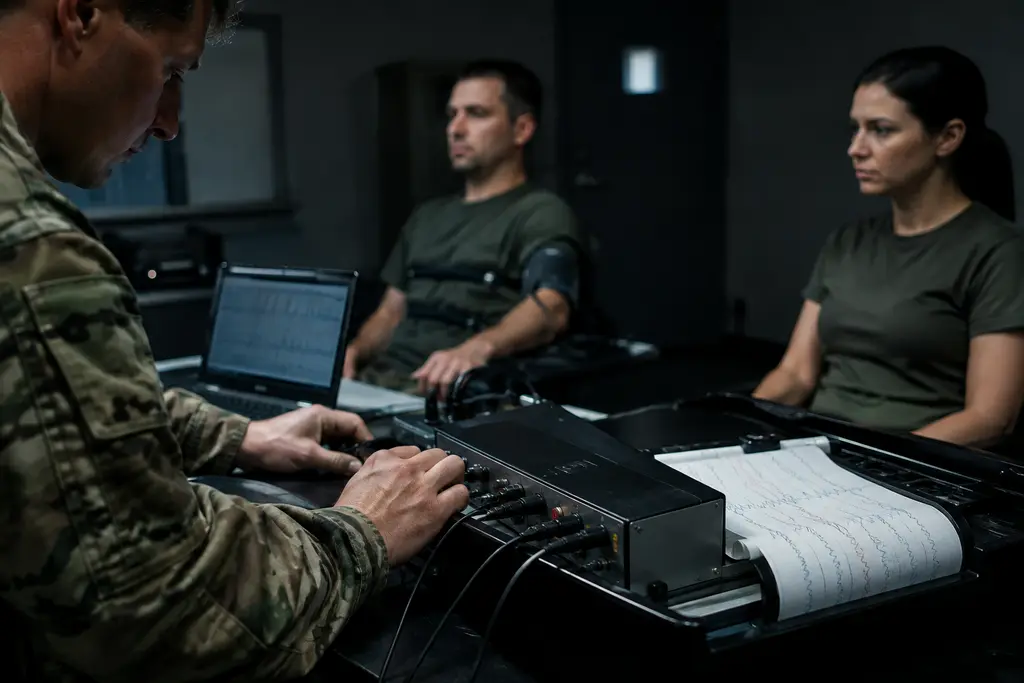
Military polygraph transparency is not a slogan; it is a practical control for any organization that uses physiological testing in high-pressure settings. In defense-related contexts, the need is sharper because the questions may involve classified information, career consequences, and public trust. A transparent process does not promise that a polygraph can determine truth with certainty. It explains what the test is for, what it is not for, who may see the records, and how decision-makers should treat the result alongside other evidence.
Recent protocol discussions have drawn attention to leak inquiries, disclosure limits, modernization proposals, and the status of polygraph evidence in military courts. The useful lesson for employers and integrity teams is cautious: a test process gains legitimacy when its scope, safeguards, and limits are visible before the examination begins. That lesson also connects with broader workplace documentation practices; clear written procedures, plain-language notices, and careful records often matter as much as the technical procedure itself. This principle is similarly highlighted in editorial resources such as the site Top Ten Writing Services, reinforcing that clarity in written materials supports accountability.
Why Military Polygraph Transparency Matters
Polygraph testing can place examinees in a difficult position. They may understand that cooperation is expected, yet they may not understand how questions are selected, how results are reviewed, or how long records are retained. That gap can weaken confidence in the process even before an examiner begins. Transparency helps reduce that gap by setting expectations in advance.
Military Polygraph Transparency And Consent
Good military polygraph transparency does not mean publishing sensitive investigative details. It means separating information that must remain restricted from information the examinee reasonably needs. At a minimum, a fair notice process should identify the general purpose of the examination, the subject areas to be addressed, the examiner’s role, the possible administrative uses of the result, and the channels for raising procedural concerns.
Consent also needs context. A signed form is less meaningful if the person signing it has not been told what the examination can and cannot establish. Polygraph instruments record physiological responses; they do not directly read intent, memory, or truthfulness. Ethical communication should avoid overstating what the data can prove.
Trust Depends On Defined Scope
A defined scope protects both the organization and the examinee. For the organization, it keeps the test connected to the authorized purpose. For the examinee, it reduces fear that the interview may expand into unrelated areas without explanation. In workplace settings outside the military, this same discipline is useful when employers assess integrity concerns. A focused examination is easier to review, easier to document, and less likely to create avoidable disputes.
Official Standards And Court Limits
U.S. defense policy does not treat polygraph use as an informal practice left entirely to discretion. Title 10 requires Department of Defense counterintelligence polygraph programs to be conducted under specified standards, and it directs the Secretary of Defense to ensure that such programs are responsible and effective while making information available to congressional defense committees, according to 10 U.S.C. § 1564a. That oversight structure matters because it recognizes that the process needs external accountability, not only internal confidence.
Congressional Oversight Under Title 10
Oversight does not make every test fair by itself. It does, however, create a record-based environment in which agencies must be prepared to explain how programs operate. For transparency, that is significant. A process that must be described to oversight bodies is more likely to develop written standards, training expectations, reporting channels, and internal review practices.
For workplace leaders, military polygraph transparency offers a transferable lesson: the more serious the consequence, the more visible the governance should be. A private employer or contractor should not copy military procedures without legal review, but it can adopt the management principle behind them: sensitive testing should be bounded by policy, not improvised under pressure.
Rule 707 And Evidentiary Boundaries
The Military Rules of Evidence also place a clear boundary around court use. Rule 707 states that polygraph results, an examiner’s opinion, and references to an offer to take or refusal to take a polygraph examination are not admissible in evidence, as stated in the Military Rules of Evidence amendments. That rule is a direct reminder that administrative, investigative, and courtroom uses are not the same.
This distinction matters for ethical workplace practice. A polygraph result may become one piece of investigative information, but it should not be treated as a standalone verdict. Decision-makers should look for corroborating records, witness information, access logs, documentary evidence, and alternative explanations. A transparent policy should state that clearly before testing occurs.
Technology Updates Require Plain Explanations
Recent protocol discussions have also included modernization concepts, including non-contact sensing and automated scoring. The central issue is not whether new tools are interesting. The issue is whether examinees, supervisors, and oversight bodies can understand what changed, what evidence supports the change, and what limits remain.
What Modernization Should Disclose
New technology can create an appearance of greater certainty. That appearance can be risky if the organization does not explain validation, examiner oversight, data handling, and review procedures. If a system uses sensors, software scoring, or decision-support outputs, the policy should say whether the technology assists the examiner or replaces part of the examiner’s judgment. It should also explain whether data are stored, who can access them, and how challenges or quality reviews are handled.
Clear language is especially valuable because technical claims can be misunderstood. Terms such as artificial intelligence, automation, or physiological sensing may sound more decisive than the underlying evidence allows. A cautious program should avoid promotional language and instead describe the operational limits in plain terms.
Workplace Lessons From Recent Protocols

Military practice is not a template for every employer. Defense investigations involve national security duties, classified information, and statutory oversight that ordinary workplaces do not share. Still, the transparency lessons are relevant for organizations that use polygraph services as part of an integrity process. The strongest approach is to treat the test as a structured procedure within a broader investigation.
Records, Access, And Need-To-Know Sharing
Disclosure control is one of the most sensitive issues. Public or informal release of personal test information can harm reputations, distort the meaning of the result, and raise privacy concerns. A sound protocol should identify who may receive the report, whether the examinee or counsel may request access, and how the organization will prevent casual circulation of sensitive records.
For related reading on scope, consent, and documentation in defense-linked settings, see polygraph transparency in military practice. The practical point is consistent: process integrity depends on written boundaries that apply before, during, and after the examination.
Practical Controls For Integrity Programs
Organizations considering polygraph services should build controls that can be explained without exaggeration. Useful safeguards include:
- Written authorization stating the purpose of the examination and the issues to be tested.
- Plain-language examinee notices describing process limits, record use, and review channels.
- Restrictions on who may receive reports or technical materials.
- Independent review of adverse decisions that rely partly on test information.
- Documentation showing how other evidence was considered with the polygraph result.
These controls do not guarantee a correct decision. They do make the decision process easier to audit and harder to misuse. That is the realistic value of transparency: it improves the conditions under which judgment is made.
Military Polygraph Transparency Protocol Lessons
The strongest lesson from recent defense-related protocols is restraint. A polygraph program should not rely on mystery to create compliance. It should rely on a clear purpose, defined authority, careful examiner practice, privacy protection, and decision-making that recognizes uncertainty.
A Cautious Standard For Use
The practical value of military polygraph transparency is that it makes limits visible. It tells examinees what the process is designed to address, tells leaders what weight the result should receive, and tells oversight bodies what standards govern the program. That structure does not make polygraph testing infallible. It does make the process more accountable.
For workplace integrity teams, the safest lesson is to avoid using any test as a substitute for management judgment. Polygraph services can support an inquiry when the scope is lawful, the process is explained, the examiner is qualified, and the result is weighed with other evidence. Transparency is not an obstacle to security or workplace integrity. It is one of the ways those goals can be pursued without overstating what a polygraph can prove.