
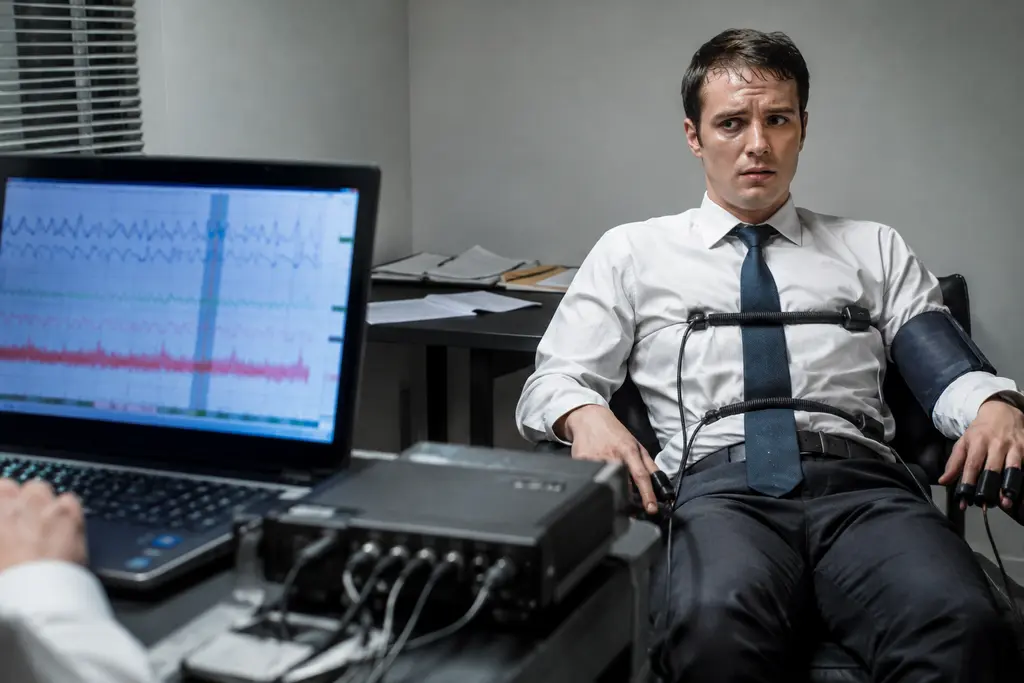
EPPA Polygraph Rules deserve renewed attention after the Pentagon polygraph testing reported during 2026, but private employers should not treat federal security practices as a model for ordinary workplace investigations. The legal boundary is different, the operational purpose is different, and the privacy risk can be severe if an employer treats a polygraph result as a public or informal personnel fact.
The practical lesson is not that employers should expand testing. It is that integrity programs work best when they rely on documented facts, clear policies, restricted access to sensitive records, and legally permitted investigative steps. Polygraph testing, where allowed, should sit inside that process rather than replace it.
EPPA Polygraph Rules In The Private Workplace
EPPA Polygraph Rules Start With A Broad Prohibition
The Employee Polygraph Protection Act was enacted on June 27, 1988, and became effective on December 27, 1988. For most private-sector employers engaged in commerce, the rule is restrictive: employers generally may not require, request, suggest, or cause an applicant or employee to take a lie detector test. They also may not use test results as the basis for discharge, discipline, discrimination, or denial of employment. The U.S. Department of Labor describes these private-employer limits in its EPPA guidance.
That framing matters because many workplace leaders hear about polygraphs in public-sector security matters and assume similar practices can be copied into private employment. For ordinary private employers, that assumption is unsafe. EPPA Polygraph Rules do not begin with managerial discretion; they begin with a prohibition, followed by narrow exceptions.
Limited Exceptions Require More Than Suspicion
The research supplied for this article identifies three core private-sector exceptions: ongoing investigations of workplace incidents involving economic loss, certain armored car, alarm, and guard service roles, and certain pharmaceutical manufacturing, distribution, or dispensing positions. Even where an exception may apply, the employer still needs process controls. The employee must receive notice of the specific activity under investigation and the reasonable suspicion for the employee’s involvement. The test must be conducted under EPPA standards, and the examinee retains rights, including the right to refuse or stop the examination.
That is why a polygraph should never be treated as the first investigative step after a theft, data incident, cash discrepancy, or inventory loss. A better sequence is to preserve records, interview witnesses where appropriate, review access logs or transaction data, document the economic loss, and assess whether reasonable suspicion points to a specific person. Only then should an employer ask whether EPPA permits any testing at all. A related discussion of EPPA limits in employment may help employers frame that threshold question before moving further.
Pentagon Testing Does Not Rewrite Private-Sector Limits
Federal Security Contexts Are Treated Differently
The Pentagon-related facts from 2026 sit in a different legal category. The research notes describe polygraph testing of about 50 military officers and civilian Joint Staff members in August 2026 during a leak investigation involving classified information about munition shortages connected to the war in Iran. The notes also describe the October 30, 2026 dismissal of General Brett Sylvia after officials reportedly disclosed failed polygraph examinations linked to leak inquiries. Those facts, if read without context, may suggest an aggressive model for employers. They should not.
EPPA does not apply in the same way to federal, state, and local government agencies. The research also indicates that certain national security and classified-contract settings fall outside the usual private-employer prohibition. A 2025 Partnership for Public Service discussion draft on government polygraph requests addresses the government-request setting and helps explain why public-sector or security-related testing should not be casually mapped onto ordinary employment.
The Wrong Lesson Is Operational Imitation
Private employers should draw a narrow lesson from the Pentagon episode: high-stakes investigations can create pressure to move quickly, but pressure does not reduce compliance duties. In a private workplace, EPPA Polygraph Rules still control unless a valid exception applies. A company cannot justify a prohibited test by pointing to a federal agency’s different authority, a public controversy, or a desire to send a message about loyalty.
There is also a trust issue. Polygraph testing can affect reputation, employment, clearance, team standing, and future opportunities. If an employer uses a test outside the legal framework, or discusses the result more widely than necessary, the damage may extend well beyond the original investigation. Workplace integrity depends on restraint as much as detection.
Compliance Controls Before Any Workplace Polygraph
Use A Written Gatekeeping Process
Employers that operate in sectors where polygraph testing might be permitted should use a written gatekeeping process before any request is made. The gate should ask whether the employer is covered by EPPA, whether an exemption plausibly applies, whether a specific incident caused economic loss, whether the facts establish reasonable suspicion against the examinee, and whether all notices and examinee rights can be honored.
- Identify the business reason for the investigation and the specific loss or event.
- Separate verified facts from assumptions, rumors, or workplace pressure.
- Limit access to investigative records to those with a legitimate need to know.
- Confirm notice, consent, refusal rights, and test termination rights before scheduling.
- Document why less intrusive evidence was insufficient for the employment decision.
This is not a substitute for legal advice. It is a practical compliance screen. If the employer cannot clearly describe the exception, the evidence, and the examinee protections, the proposed test should stop until qualified counsel reviews the matter.
Train Managers Not To Improvise
Many EPPA risks begin with informal language. A supervisor who says an employee “should take a lie detector if they have nothing to hide” may create a problem even if no test is scheduled. The statute is concerned not only with requiring a test, but also with requesting or suggesting one in covered settings. Training should teach managers to report suspected misconduct through approved channels rather than making direct comments about testing.
The same discipline applies to hiring. A recruiter should not ask whether an applicant would submit to a polygraph unless the employer has confirmed a lawful basis for that role and process. For most private positions, that question is outside the permitted lane.
Technology, Privacy, And Similar Devices

New Tools Do Not Remove Old Statutory Risk
The research notes describe a Defense Counterintelligence and Security Agency modernization effort associated with “Polygraph+” or credibility assessment modernization, including non-contact sensors, thermal imaging, and AI scoring concepts, with a reported FY2027 budget of about $31 million. The notes also state that the program was under development and did not include generative AI systems at that point.
For private employers, the compliance point is narrower than the technology debate. EPPA covers lie detector tests and includes devices such as voice stress analyzers and similar instruments. Rebranding a tool as credibility assessment, risk scoring, or behavioral analytics does not automatically move it outside employment-law scrutiny. If the tool is used to infer truthfulness or deception in an employment setting, counsel should evaluate whether EPPA, state law, privacy law, disability-related rules, or background-check obligations are implicated.
Privacy Controls Should Be Set Before Results Exist
The October 30, 2026 Pentagon matter described in the research notes also raised privacy questions because polygraph outcomes can be personnel records. Private employers should treat that issue as a warning. Whether or not EPPA permits a test, the result should not become office gossip, a broad management talking point, or a public explanation for a personnel action unless counsel has reviewed the disclosure basis.
A safer records practice is to classify polygraph-related material as restricted investigative information, define who may access it, set retention periods consistent with law and policy, and prohibit casual sharing. This mirrors the wider governance principle seen across responsible organizations, including community-network sites like Stuyvesant Yacht Club, where trust depends on clear rules and controlled handling of sensitive information.
EPPA Polygraph Rules And Pentagon Lessons
The Pentagon events from August and October 2026 attracted attention because they involved classified-information leak inquiries, senior personnel, and reported disclosure of failed examinations. Those features make the story newsworthy, but they do not alter the private-sector rule set. EPPA Polygraph Rules still require employers to begin with prohibition, test for a narrow exemption, and protect examinee rights if testing is legally permitted.
For employers, the practical response is a short compliance review. Update investigation policies so managers know that polygraph suggestions are restricted. Confirm that any permitted testing process includes notice, reasonable suspicion documentation, and refusal protections. Treat test records as sensitive personnel information. Review any new credibility-assessment technology before use, especially if it resembles a lie detector function.
Polygraph evidence can be one limited tool in certain lawful settings, but it should not be treated as a stand-alone answer. Sound workplace integrity programs rely on policy, documentation, proportionality, and privacy discipline. That approach protects employees, reduces employer exposure, and keeps investigative decisions tied to evidence rather than pressure.