
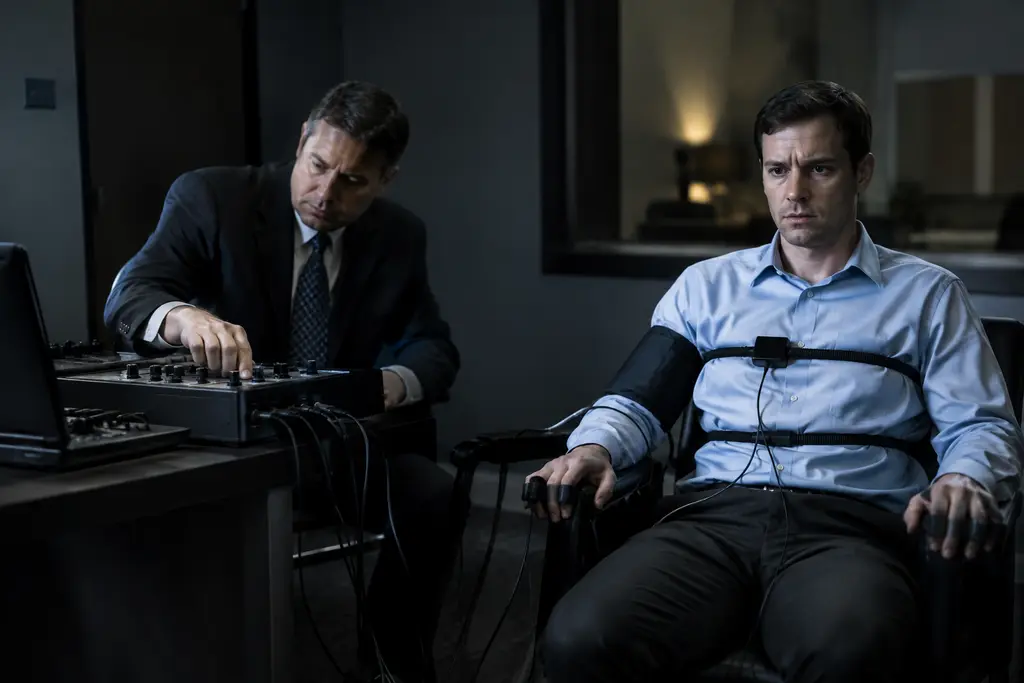
Pentagon Polygraph Testing became a workplace-integrity flashpoint after August 2026 reporting that about 50 Joint Staff officers and civilian employees were tested during a leak inquiry involving classified information about U.S. munitions shortages in the war with Iran, including long-range missiles and Patriot interceptors, according to New York Times reporting. The reported facts do not support simple conclusions. They do, however, show how quickly a security tool can affect trust, morale, and perceptions of fairness inside a sensitive workplace.
The Pentagon setting is unusual, but the management lesson is broader. Any organization that uses polygraph examinations in an internal inquiry must decide not only what it wants to learn, but how the process will be explained, limited, documented, and separated from unsupported conclusions. A polygraph may contribute investigative information. It should not be treated as a substitute for evidence, records, access logs, witness accounts, or a fair review process.
What The August Leak Probe Showed
Pentagon Polygraph Testing Scope
The August 2026 testing reportedly covered only a fraction of the Joint Staff. Defense News reported that the Joint Staff includes about 1,500 to 2,000 personnel, so the approximately 50 people tested represented about 2.5 percent to 3.3 percent of that group, based on Defense News figures. That ratio matters because the more targeted a test group is, the more employees will ask why those individuals were selected and whether the selection criteria were objective.
Workplace integrity programs depend on perceived fairness. If employees believe a process is driven by access, role, timing, or documented investigative leads, the test may be seen as part of a defined inquiry. If they believe selection is unclear, politically influenced, or used to signal suspicion without evidence, trust can decline even when the organization has a valid security concern.
| Reported Element | Workplace Integrity Relevance | Risk If Poorly Explained |
|---|---|---|
| About 50 people tested | Shows a defined group rather than full-population testing | Employees may question why they were included |
| Joint Staff of about 1,500 to 2,000 | Places the scale of testing in context | Small-group testing can still feel broad if criteria are unclear |
| Classified munitions information at issue | Shows a serious security interest | Security concern can be used to justify weak communication |
| Senior and civilian personnel reportedly included | Signals that rank alone may not prevent scrutiny | Senior-level testing can deepen anxiety across the organization |
Why Scope And Communication Matter
Defining The Question Before The Examination
A polygraph inquiry should begin with a narrow, documented purpose. In a leak investigation, that means identifying the protected information at issue, the time period, the relevant access group, and the conduct being examined. Vague questions create room for confusion and can make employees feel that the process is a loyalty test rather than an inquiry into a specific disclosure.
For workplace integrity teams, Pentagon Polygraph Testing is a reminder that communication should not be treated as a public-relations afterthought. Employees need to understand what the process can address, what it cannot prove on its own, who will receive the results, and how those results will be weighed against other evidence. That does not require disclosing classified or sensitive investigative details. It does require enough structure to reduce rumor and fear.
A related discussion of polygraph transparency makes the same practical point: the process is more defensible when scope, limits, and review steps are visible to the people affected by them.
What Polygraph Results Can And Cannot Settle
Physiology Is Not A Direct Record Of Truth
A polygraph records physiological responses associated with factors such as cardiovascular activity, respiration, and perspiration. Critics cited in the research record argue that such responses can be poorly correlated with deception, especially in high-pressure settings. Even without adopting the strongest criticism, a cautious examiner should avoid presenting the instrument as a truth machine.
The practical value of a polygraph result depends on the quality of the question set, the suitability of the examinee, the conditions of the examination, and the way the result is used. A response pattern may justify follow-up questioning or comparison with other evidence. It should not, by itself, carry the same weight as independently verified records showing access, transmission, authorization, or communication with a journalist.
That is the central risk in Pentagon Polygraph Testing as a workplace signal. If leadership appears to treat the test result as decisive, employees may conclude that process protections are secondary. If leadership explains that polygraph information is one investigative input, the tool is less likely to be seen as arbitrary or punitive.
Trust Effects Inside Sensitive Workplaces

Security Measures Can Create Their Own Integrity Risk
The research record described an atmosphere of distrust and concern within the Pentagon after the 2026 leak inquiries. That reaction is not surprising. Polygraph testing touches status, reputation, career prospects, privacy, and personal dignity. In a military or national-security environment, the stakes can be even higher because access, assignments, and promotions may be affected by perceptions of reliability.
There is a difficult balance here. Organizations that handle highly sensitive information must investigate leaks. Failing to act can endanger operations, personnel, and public trust. Yet an investigation that feels overbroad or poorly bounded can weaken the very culture of responsibility it seeks to protect. People may share less information internally, avoid candid analysis, or interpret ordinary management decisions as suspicion.
For readers interested in adjacent publishing and archive work within the same network, The Sketchbook Project presents an intriguing example: effective trust in systems can often be attributed more to transparency and clear processes than to the use of elaborate investigative tools.
Practical Controls For Workplace Integrity Reviews
Using Polygraph Information With Restraint
Organizations considering polygraph examinations should build controls before the first appointment is scheduled. Those controls should identify who may authorize testing, what threshold of relevance is required, what subjects may be asked, how records are stored, and how long results are retained. The controls should also define who is allowed to see results and how employees can raise process concerns without retaliation.
A cautious model separates four questions: Was there a serious incident? Did the person have relevant access? Is there independent evidence connecting the person to the incident? Would a polygraph add information that cannot reasonably be obtained through less intrusive means? If the answer to the last question is weak, the organization should reconsider whether the examination is proportionate.
Communication should be plain. Employees should not be told that a polygraph can guarantee truth. They should not be promised that a favorable result will end all scrutiny if other evidence later emerges. They also should not be left guessing whether an inconclusive or adverse result will automatically damage their career. Clear limits protect both the organization and the examinee.
Pentagon Polygraph Testing And Workplace Trust
Pentagon Polygraph Testing after the August 2026 leak inquiry shows why trust is not preserved by secrecy alone. Sensitive organizations need investigative tools, but they also need visible guardrails. A polygraph program that is narrow, documented, and paired with independent evidence is more defensible than one that appears broad, unexplained, or outcome-driven.
The useful lesson for workplace integrity leaders is restraint. Define the issue before testing. Explain the process without compromising the inquiry. Treat results as information, not a verdict. Protect records and reputation. Review decisions through more than one evidentiary lens. In a high-pressure leak investigation, that discipline may not remove employee concern, but it can reduce avoidable distrust and keep the focus on facts rather than fear.