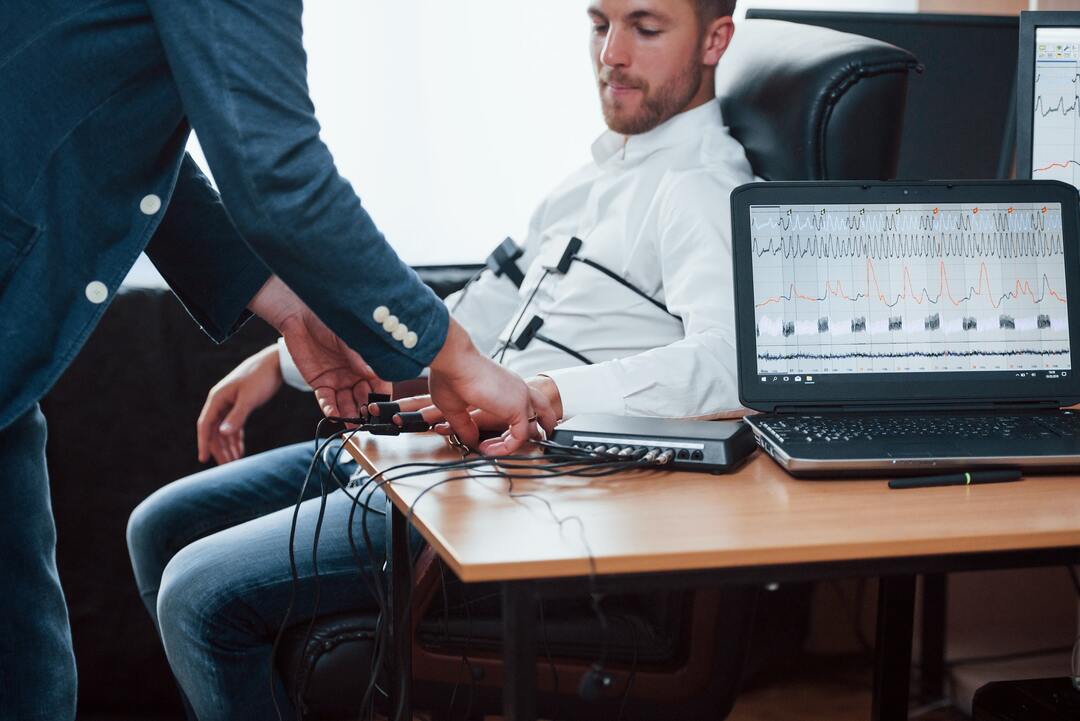
EU AI Act Polygraph Rules: Workplace Ban vs High Risk
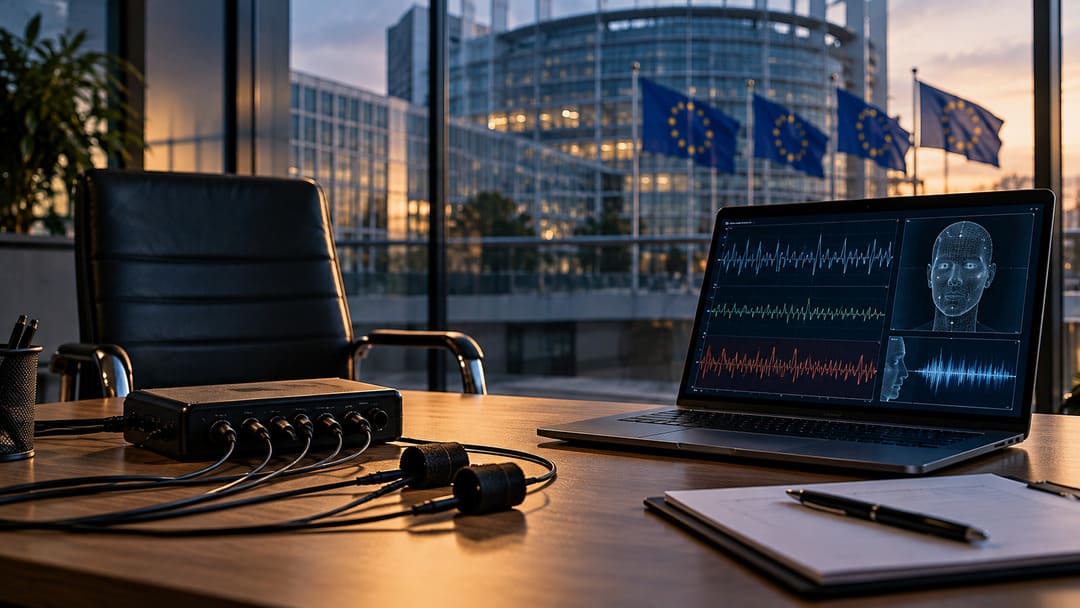
Forensic Tech Desk at_Dusk

Imagine an employer using artificial intelligence to analyse an employee’s facial expressions, eye movements and voice during an investigation. The software generates a credibility score, supposedly identifying whether the employee is concealing information. Now imagine police using a different AI-assisted system to evaluate physiological responses during a criminal investigation. Both technologies might be marketed as … Read moreEU AI Act Polygraph Rules: Workplace Ban vs High Risk
Can a Polygraph Prove Match-Fixing? Why Betting Evidence Matters More

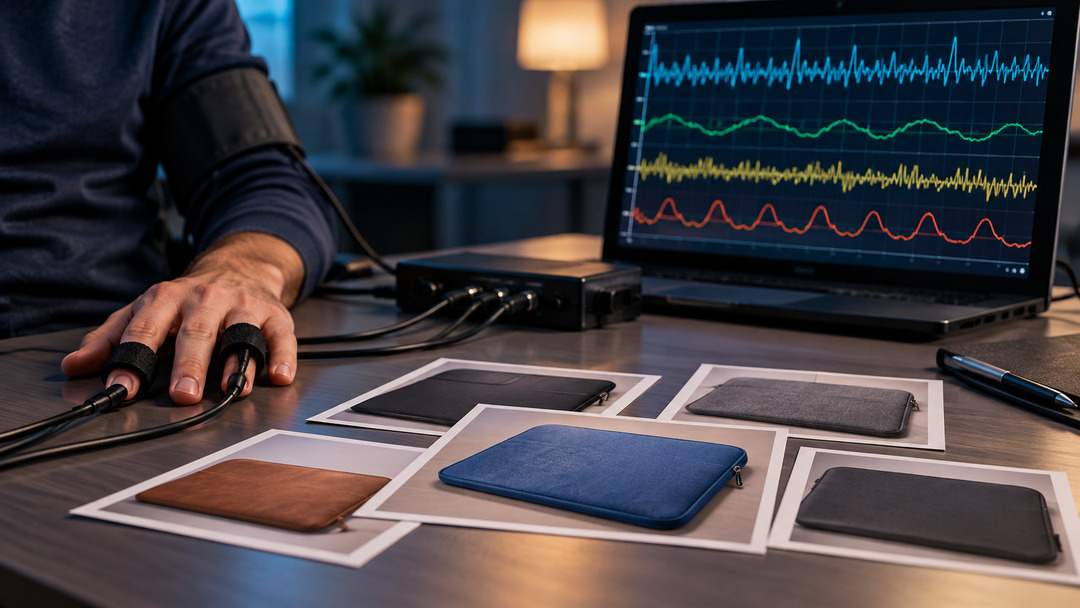
Polygraph Test with Laptop Sleeve_Evidence

A suspicious betting pattern, an unexpected result and an athlete denying wrongdoing can create a difficult problem for sports investigators. A polygraph test may seem like a way to settle the dispute, but a lie-detector result cannot independently establish that a match was fixed. Polygraphs measure physiological responses during questioning. They do not directly detect … Read moreCan a Polygraph Prove Match-Fixing? Why Betting Evidence Matters More

Concealed Information Test: Why Recognition Isn’t Guilt

Polygraph Test with Laptop Sleeve_Evidence

A person reacts strongly when an investigator mentions a detail that was supposedly known only to the person responsible for an incident. That reaction might be significant. But it does not answer the most important question: how did the person learn the information? This distinction sits at the heart of the Concealed Information Test (CIT), … Read moreConcealed Information Test: Why Recognition Isn’t Guilt

Customizing Polygraph Tests for Specific Workplace Needs

Custom Tailoring Tests

Today’s companies face tough security issues that need special solutions. Using a smart plan to check for honesty helps protect what’s important. It also keeps trust alive. By making Custom Tailoring Tests, employers can tackle risks that usual methods miss. It’s key to know how these tests work to make sure they’re fair. When companies … Read moreCustomizing Polygraph Tests for Specific Workplace Needs

The Cost of Feeling Certain: How Smart Decisions Survive Imperfect Evidence

polygraph test

High-stakes decision making rarely comes with the one thing people want most: certainty. Whether the question involves a workplace investigation, a financial commitment, an online service, or a judgment about someone’s credibility, the evidence is usually incomplete and pretending otherwise can create more risk than admitting what remains unknown. That becomes especially clear when money … Read moreThe Cost of Feeling Certain: How Smart Decisions Survive Imperfect Evidence

The Claim Isn’t Won in the Chair: Where Polygraphs Fit in Insurance Fraud Cases

courtroom polygraph test

A vehicle disappears just before finance pressure peaks, a burglary claim lists property that cannot be traced, or two insured parties give incompatible accounts of the same loss. Polygraph testing for insurance fraud can help when the file turns on a narrow factual dispute, but its value depends on restraint: it should direct investigation, not … Read moreThe Claim Isn’t Won in the Chair: Where Polygraphs Fit in Insurance Fraud Cases

The Polygraph Isn’t the Biggest Risk: The Australia–New Zealand Rules Employers Can’t Ignore

New Zealand polygraph test

Polygraph testing for employers can look like a direct way to investigate theft, screen a sensitive role, or test conflicting accounts. In Australia and New Zealand, however, the larger risk often sits outside the instrument: an employer may obtain a result yet mishandle consent, privacy, jurisdiction, or the disciplinary process built around it. That makes … Read moreThe Polygraph Isn’t the Biggest Risk: The Australia–New Zealand Rules Employers Can’t Ignore

The Test Starts Before the Sensors: How One Bad Question Can Distort a Polygraph

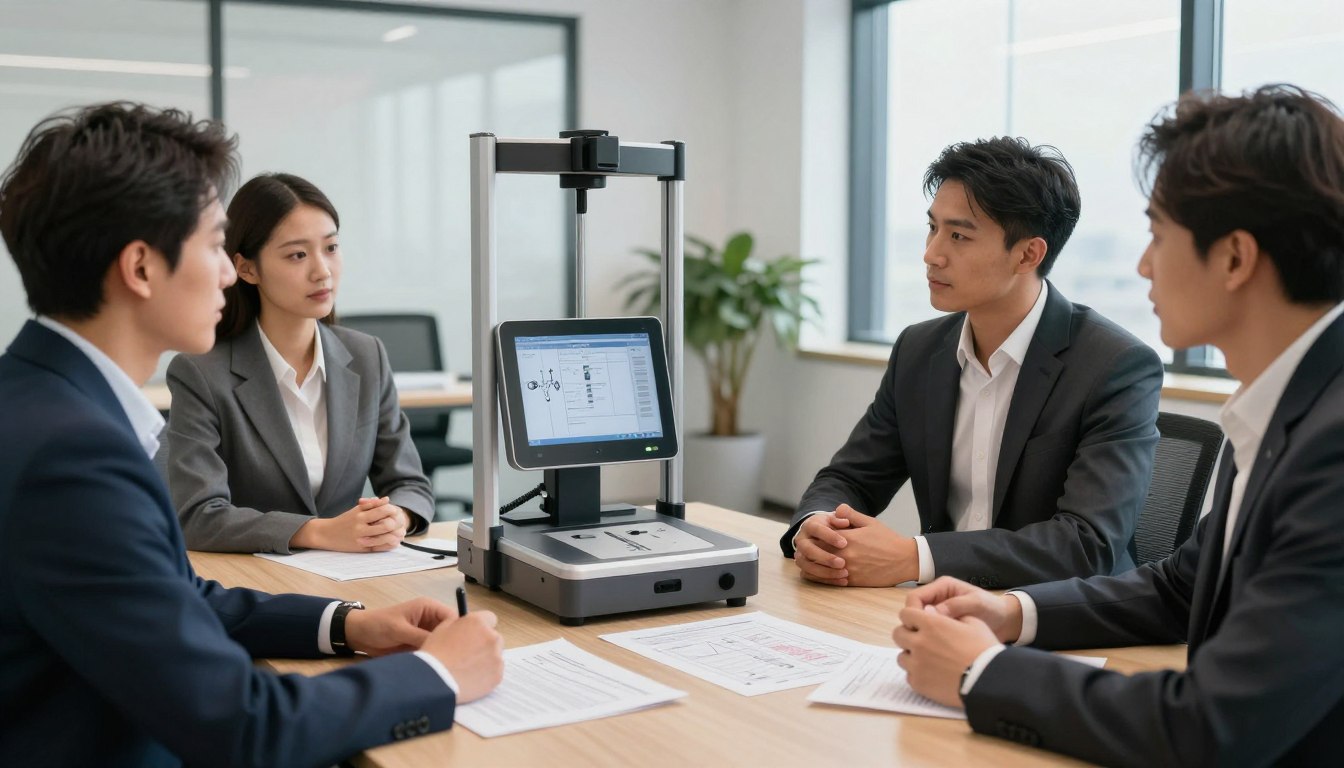
meeting room polygraph

A polygraph can record several physiological channels continuously, yet an examination may still be compromised before a sensor is attached. Polygraph question wording determines what the examinee is being asked to recognize or deny, and a vague date, loaded accusation, or two-part question can create competing interpretations. That is why professional polygraph guidance should treat … Read moreThe Test Starts Before the Sensors: How One Bad Question Can Distort a Polygraph

Cultural Sensitivity in Polygraph Testing: How to Approach Diverse Workplaces

Cultural Considerations

The mix of forensic tech and human behavior is complex. As global teams grow, leaders face a big challenge. They must balance scientific tests with the diverse backgrounds of their workers. Research shows error rates, but leaders need to think carefully about how these tools affect people. They must consider the qualitative impact. Courts often … Read moreCultural Sensitivity in Polygraph Testing: How to Approach Diverse Workplaces

What Happens After the Test? Understanding Post-Polygraph Protocols

Post-Test Procedures

A polygraph test doesn’t stop when you remove the sensors. The last and most important step is test data analysis. Here, your body’s charts are carefully looked over. Examiners use a seven-position numerical scoring system to check your answers. This means you won’t get an instant yes or no. Instead, you’ll get a detailed report … Read moreWhat Happens After the Test? Understanding Post-Polygraph Protocols