
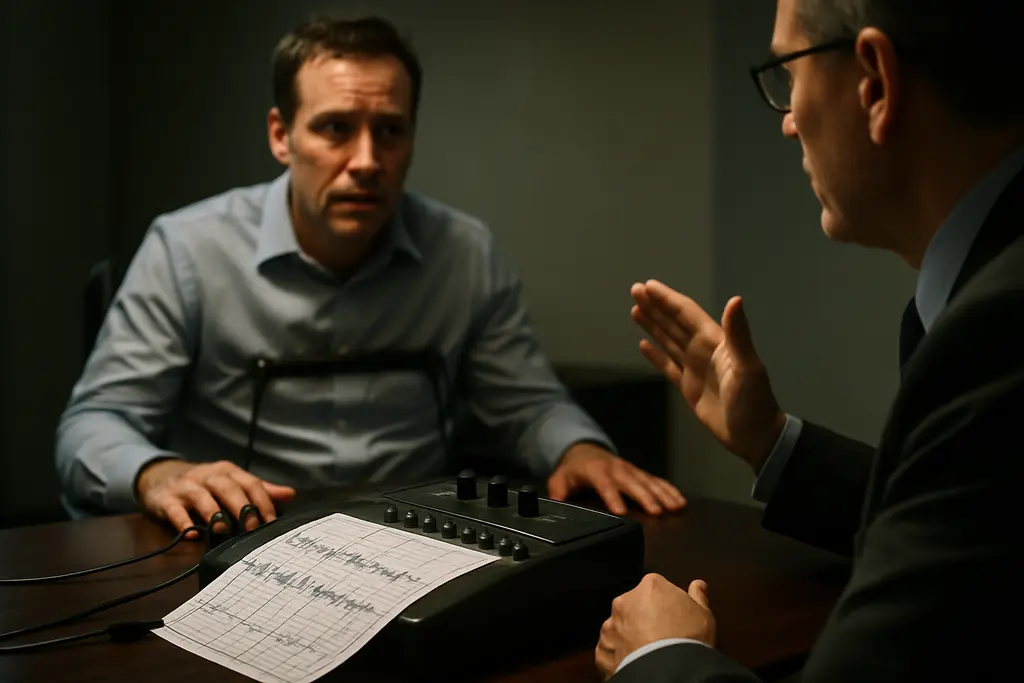
Pentagon polygraph ethics became a practical workplace-integrity issue after the August 2026 leak inquiry involving roughly 50 military and civilian members of the Joint Staff. The testing was reported to have focused on disclosures to journalists about classified information concerning the war with Iran and shortages in key munitions, including long-range missiles and Patriot interceptors. As of the reporting described in the research record, none of the people tested failed the questions designed to identify the source of the leaks. That reported outcome does not make the testing meaningless, but it does show why polygraph use in sensitive workplaces needs clear limits, careful interpretation, and a process that does not treat one examination as a verdict.
The ethical issue is not whether the Pentagon has an interest in protecting classified information. It plainly does. The harder question is how an organization should investigate leaks without creating unnecessary fear, reputational harm, or pressure on lawful speech. A workplace polygraph program can support an inquiry only when it is narrow, documented, legally grounded, and treated as one investigative tool among others.
Pentagon Polygraph Ethics In The August 2026 Tests
Why Seniority Changed The Ethical Weight
The August 2026 testing was described in the research record as unusual because of both the seniority of the people involved and the size of the Joint Staff, which was reported at roughly 1,500 to 2,000 personnel. Testing senior military and civilian officials carries a different ethical weight than routine screening of lower-level applicants. Senior officials may hold access to sensitive information, but they also operate in a culture where trust, candor, and professional judgment are essential to national-security decision making.
That is why the scope of testing matters. If the examination is tied to a defined leak inquiry, the questions should remain connected to the suspected disclosure. Broad questions about loyalty, political views, media relationships, or workplace disagreement risk shifting the test from an evidence-gathering tool into a loyalty screen. A lawful investigation can still be ethically weak if the process chills ordinary internal debate or makes staff believe that raising concerns will later be treated as suspicious.
What The Reported Non-Failures Can And Cannot Mean
The reported fact that none of those tested failed the leak-detection questions should be read with restraint. It may mean the relevant leaker was not among those examined. It may mean the questioning did not isolate the issue. It may mean the test results did not produce a finding strong enough to classify a person as deceptive. It should not be read as proof that the leak did not occur, nor as proof that every tested person was fully cleared of every possible concern.
Polygraph examinations record physiological responses associated with stress, attention, and autonomic arousal. They do not directly record truth. That distinction is central to Pentagon polygraph ethics because the institutional pressure in a leak case can be intense. The more serious the suspected disclosure, the greater the temptation to overread a result that appears decisive. A fair process resists that temptation.
Legal Boundaries For Workplace Polygraph Decisions
EPPA Does Not Set The Pentagon Rule
For private-sector employers, the main federal statute is the Employee Polygraph Protection Act of 1988. The U.S. Department of Labor states that the EPPA generally prohibits most private employers from using lie detector tests either for pre-employment screening or during employment, subject to specific exemptions, and it also restricts use of results against employees through its EPPA guidance. The research record notes a key limit: the EPPA does not apply to the U.S. federal government, including the Pentagon.
That legal difference should not be mistaken for an ethical blank check. A government agency may have authorities that a private employer does not, especially in classified or national-security settings. Even so, the practical safeguards remain familiar: define the purpose, document the authority, limit the question scope, protect records, avoid retaliatory use, and separate the test result from final employment or clearance decisions unless other evidence supports the same conclusion.
Consent Is More Than A Signature
The research record states that federal policy generally requires subjects to agree voluntarily to take a polygraph in most investigations, while refusal may carry different implications for clearance, assignment, or internal review depending on context. That creates an ethical tension. A person may sign a consent form while feeling that refusal will damage a career. In high-security workplaces, that pressure is difficult to eliminate, but it can be reduced through clear notice and consistent procedures.
Meaningful consent should include the subject matter of the test, the expected use of results, who will receive the report, how records will be stored, and what happens if a person declines. Investigators should avoid implying that a polygraph can supply certainty. Managers should avoid treating cooperation as proof of innocence or refusal as proof of guilt. Both reactions weaken trust and can distort an inquiry.
Evidence Quality And Fair Process
Pentagon Polygraph Ethics And Corroboration
Pentagon polygraph ethics requires a simple evidentiary rule: the test should not stand alone. The research record supplied for this article describes continuing scientific disagreement about accuracy estimates, false positives, and performance in field conditions. Even where a polygraph is conducted by a qualified examiner under controlled conditions, it remains an inferential technique. The result may support further inquiry, but it should not replace document review, access logs, communications evidence, witness interviews, and timeline analysis.
This discussion ties into how workplace integrity can be maintained. Looking at adjacent professional services, resources like Top Ten Writing Services demonstrate the importance of documentation standards in service comparisons, although with different risk profiles. For investigations, the lesson remains: precise documentation practices trump casual assurances.
Reputational Risk Is Part Of The Evidence Problem
A false positive is not just a technical error. In a classified workplace, even a suggestion of deception can affect reputation, assignment options, clearance confidence, and professional relationships. The research record identifies false-positive risk as one of the concerns raised in response to the Pentagon testing. That risk is why exam reports should be written with care. They should identify the test type, the relevant questions, the examiner’s conclusion, and any limits on interpretation. They should avoid dramatic phrasing that outruns the data.
Managers should also consider what happens after a non-deceptive or inconclusive result. If a person has cooperated with a sensitive inquiry and no adverse finding resulted, the organization should avoid allowing suspicion to linger informally. A process that never restores trust after testing can punish people without making a formal accusation.
Lessons For Employers Outside Government

Use The Pentagon Example As A Warning, Not A Template
Private employers should be cautious about borrowing national-security practices. The Pentagon operates under legal authorities and security obligations that do not apply to most workplaces. A retail business, financial-services firm, nonprofit, or technology company may face theft, fraud, confidentiality, or misconduct concerns, but those concerns do not erase statutory limits or employee rights. For most private employers, the EPPA is the starting point, not an afterthought.
Employers that believe a polygraph may be relevant should seek qualified legal advice before acting, use trained examiners, and consider less intrusive evidence first. A written investigation plan should explain why the test is being considered, which issue it addresses, and what other evidence will be reviewed. The strongest integrity systems do not depend on testing alone. They use access controls, reporting channels, audit trails, conflict-of-interest rules, and consistent discipline.
Trust Depends On How The Tool Is Used
A polygraph can damage trust when employees see it as coercive, vague, or politically motivated. It can be less harmful when the organization explains the reason, narrows the questions, protects confidentiality, and treats the result cautiously. That distinction is central to Pentagon polygraph testing and employee trust, especially in leak inquiries where fear can spread beyond the people actually tested.
A workplace that uses polygraph services ethically should be able to answer basic questions without hesitation: What is the lawful basis? What issue is being tested? Who chose the examiner? What information was given to the subject in advance? How will inconclusive results be handled? What corroborating evidence is required before any adverse action? If those answers are unclear, the organization is not ready to test.
Pentagon Polygraph Ethics As A Trust Test
A Washington Post report on October 1, 2025 described Pentagon plans for widespread random polygraphs and nondisclosure agreements to address leaks. Against that background, the August 2026 testing showed how quickly a security measure can become a test of institutional trust. The issue was not only whether classified information had been disclosed. It was also whether the response protected due process, proportionality, and the professional dignity of people asked to submit to testing.
Pentagon polygraph ethics should therefore be judged by process quality, not by institutional urgency alone. A defensible program defines its purpose, limits its reach, respects consent, protects records, and treats results as evidence requiring context. That standard does not weaken security. It makes security decisions more credible because they can be explained, reviewed, and corrected if the evidence does not support the initial suspicion.