
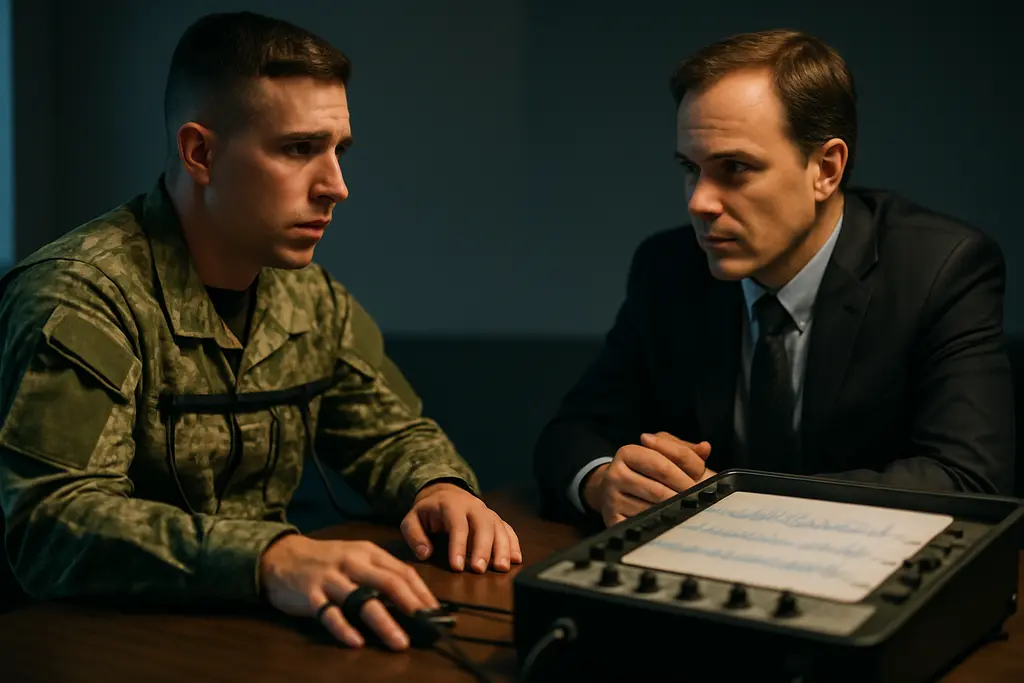
Ethical Polygraph Testing became a sharper workplace integrity issue after the military leak investigations reported in 2026. The key lesson is not that polygraphs should be treated as decisive proof. It is that any high-pressure testing program needs clear authority, narrow purpose, informed participation where possible, careful records, and restraint in how results are used.
Military settings differ from civilian workplaces, but the ethical questions overlap. A test can support an inquiry only if the process does not damage trust more than it protects it. Recent events show both the value of structured fact-finding and the risk of turning a technical tool into a symbol of suspicion.
Why Ethical Polygraph Testing Affected Trust
The August 2026 Joint Staff Tests
In August 2026, roughly 50 military officers and civilian employees on the U.S. Joint Staff were subjected to polygraph examinations during a leak investigation related to disclosures to journalists about diminished munitions supplies during the Iran war. The Joint Staff reportedly had between 1,500 and 2,000 people, placing the tested group at about 3 to 3.5 percent of the total. The same reporting described the scale and seniority of the testing as unprecedented in modern U.S. military history, according to The New York Times report.
Those facts matter because scale changes the meaning of a test. A single examination in a defined inquiry can be framed as one investigative step. A larger group of senior personnel can experience the same tool as a loyalty screen, even when the stated purpose is leak detection. That distinction is central to integrity practice: the more people affected, the more the organization must explain selection criteria, scope, process, and follow-up.
Ethical Polygraph Testing And Institutional Confidence
The success story in this type of matter is not a dramatic result. It is a process that leaves a defensible paper trail and avoids overstating what the examination can show. A polygraph records physiological activity during structured questioning. It does not read intent, motive, or truth directly. For that reason, decision-makers should avoid language that treats the examination as a verdict.
A high-stakes investigation should also separate operational urgency from procedural fairness. If leaders believe disclosure of sensitive information harmed readiness or security, they still need a process that limits questions to the matter under review and protects people from open-ended suspicion. The ethical test is whether the organization could later explain why each person was selected, what they were asked, who saw the results, and what evidence existed apart from the chart data.
Lessons From Civilian Employee Testing
Consent, Allegations, And Job Pressure
Concerns were not limited to uniformed personnel. Reporting on the Department of Homeland Security described civilian workers who said they were polygraphed by military personnel, were not told the allegations beforehand, and were threatened with losing a job or clearance if they refused. Some sessions reportedly lasted as long as six hours and involved multiple rounds, sensors for pulse and breathing, blood-pressure cuffs, and strict instructions about not changing breathing patterns, as described by The Guardian investigation.
Those reported conditions raise practical concerns for any employer or agency considering a similar approach. Consent is weakened when refusal appears to carry immediate professional harm. Disclosure is weakened when the person being examined does not understand the allegation or the boundaries of the inquiry. Trust is weakened when a testing environment feels more like punishment than evidence gathering.
What A Fair Process Should Preserve
A fair workplace process does not require ignoring serious misconduct allegations. It does require proportionality. Before an examination begins, the person should understand the general subject matter, the role of the examiner, how the information will be used, and whether refusal may have employment or clearance consequences. Where security rules limit disclosure, the limitation itself should be documented rather than left vague.
For private employers and public agencies, Ethical Polygraph Testing also means keeping the examination connected to an established policy. A test should not become a substitute for interviews, document review, access-log analysis, or supervisory accountability. A related discussion of Pentagon polygraph ethics addresses similar concerns about consent, legal limits, and fair-use safeguards.
Practical Safeguards For Workplace Integrity
Use The Test As One Evidence Source
A defensible success story for Ethical Polygraph Testing is a case where the tool supports a disciplined inquiry without becoming the whole inquiry. That means using polygraph information alongside records, timelines, interviews, access controls, and policy analysis. The strongest integrity programs reduce uncertainty through several evidence streams rather than asking one examination to carry more weight than it can bear.
- Define the investigation question before selecting people for testing.
- Limit questions to the stated matter and avoid broad character screening.
- Document consent, refusal rules, examiner qualifications, and result access.
- Use results as investigative information, not as automatic proof of misconduct.
- Review the process afterward to identify harm to trust, morale, or reporting channels.
For additional insights, organizations comparing integrity resources can explore related compliance material at AGHEIRO, which is particularly useful when designing policies that handle sensitive employee data. The overarching aim should be straightforward: safeguard the organization while ensuring employees feel safe that normal inquiries or legitimate concerns aren’t mistaken as acts of disloyalty.
Interpreting Results Without Overclaiming

Document The Scope Before Testing
Polygraph results are most useful when the scope is narrow. A question about a specific disclosure on a specific date is easier to evaluate than a broad inquiry into loyalty, trustworthiness, or attitude toward leadership. Broad themes may feel efficient, but they invite ambiguity. Ambiguity is a poor foundation for discipline, reassignment, clearance action, or reputational harm.
Documentation is the practical safeguard. The file should show why the examination was requested, what non-polygraph evidence existed, who approved the test, what topics were excluded, and how the result affected the next investigative step. If leaders cannot answer those questions, the examination may create more risk than value.
Protect Reporting Channels
Leak investigations often sit close to whistleblower, media, and internal-reporting concerns. That does not mean every disclosure is protected or harmless. It does mean organizations should avoid a process that appears designed to deter lawful reporting or ordinary dissent. If employees believe every sensitive concern could trigger a long interrogation-style session, they may stop using internal reporting channels.
For workplace integrity, that is a serious loss. A healthy compliance culture depends on early reporting, credible review, and confidence that concerns can be raised without retaliation. Polygraph use should never be framed as a warning against speaking up through authorized channels.
Ethical Polygraph Testing After Military Probes
Ethical Polygraph Testing after the 2026 military investigations points to a restrained model: define the issue, disclose the process, limit the questions, document the basis for selection, and avoid treating physiological data as a stand-alone judgment. That model does not promise certainty. It gives leaders a way to use a sensitive tool while reducing avoidable harm.
The practical success is measured by whether the organization preserves trust while pursuing facts. If a polygraph program leaves employees confused, fearful, or unsure about their rights and obligations, the process has likely weakened the integrity system it was meant to protect. If it is narrow, transparent, and supported by independent evidence, it can contribute to accountability without becoming the entire case.