
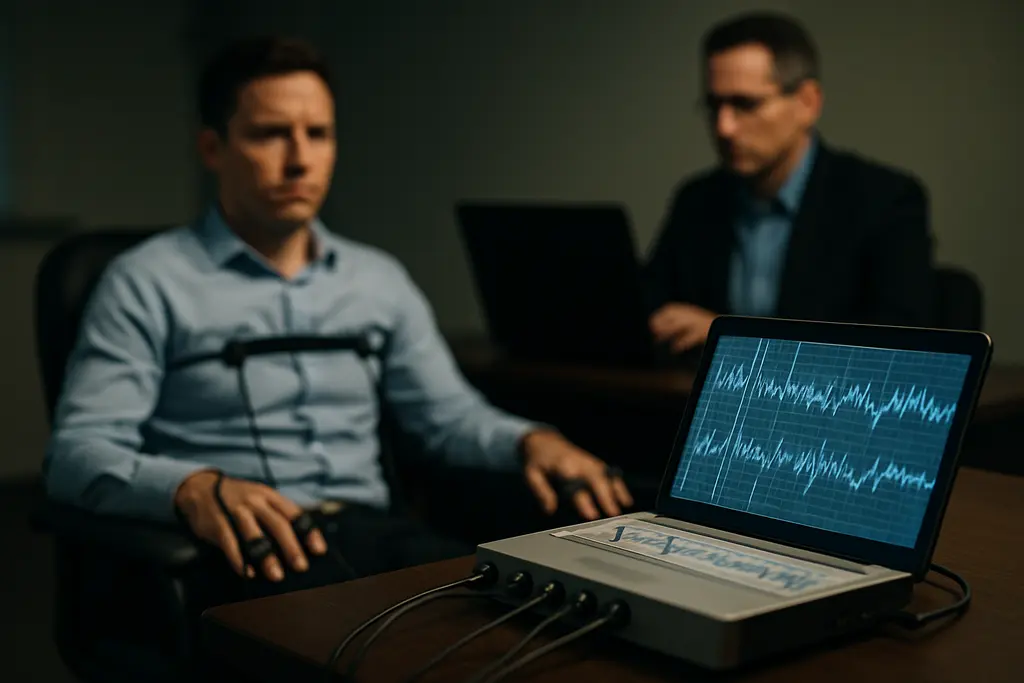
As a workplace ethics advocate, I see mass polygraph testing as one of the clearest stress tests of an employer’s integrity culture. The Pentagon’s August 2026 leak investigation has already passed, but it remains useful for HR, security, and compliance leaders because it shows how quickly an inquiry tool can affect trust, consent, and perceptions of fairness.
The lesson is not that polygraph services have no place in sensitive investigations. The better lesson is narrower: a polygraph program needs a defined purpose, careful limits, informed participation, and independent corroboration. Without those guardrails, even a lawful and security-driven effort can be read by employees as a loyalty test rather than a fact-finding process.
What The Pentagon Case Shows About Mass Polygraph Testing
Mass Polygraph Testing Facts From August 2026
In August 2026, the Pentagon subjected roughly 50 members of the Joint Staff, including military officers and civilian officials, to polygraph tests in a leak inquiry tied to media reporting about reduced U.S. munitions stockpiles in the Iran war. The Joint Staff was reported to include between 1,500 and 2,000 people, which put the group tested at roughly 2.5% to 3% of total personnel. The questions reportedly addressed whether officials had disclosed classified information to journalists and whether they had revealed details about reduced stocks of long-range missiles and Patriot interceptors, according to The New York Times report.
Those figures matter because scale changes how a polygraph effort is experienced. A single test of a person with direct access to disputed information may be seen as a targeted investigative step. Testing dozens of senior personnel can send a broader organizational message: the institution believes the leak may be widely distributed, or it wants personnel to feel that disclosure risks are being watched closely.
Why Scale And Seniority Changed The Ethical Reading
The ethical issue is not only the number of tests. Seniority also matters. When high-ranking staff are tested, the process can signal that no one is above scrutiny. It can also create the opposite perception if some figures higher in the chain are not tested. In any workplace, perceived unevenness can damage confidence in the inquiry, even when investigators believe they have sound reasons for drawing the line where they did.
For private, nonprofit, or public-sector employers studying this case, the practical point is that mass polygraph testing should not be treated as a neutral operational choice. It is also a communication event. People will read the scope, timing, question design, and exclusions as signals about power, fairness, and institutional priorities.
Ethical Risks For Consent And Fair Process
Consent Under Organizational Pressure
Consent deserves special care in any workplace polygraph program. A person may sign a form and still feel they had little practical choice, especially when the setting involves national security, chain-of-command culture, classified work, or career-sensitive assignments. That does not make every test unethical. It does mean leaders should avoid pretending that formal consent resolves every concern.
A more credible process explains why the test is being requested, what subjects will be covered, what will not be asked, who will see the result, how long records will be retained, and what follow-up steps may occur. Employees should also understand whether the polygraph is one evidence point or the central basis for an employment action. I do not offer legal advice, but from an ethics standpoint, clarity before testing is far stronger than reassurance after employees become anxious.
Polygraph Results Are Not Workplace Verdicts
Polygraph services can support investigations, but they should not be presented as certainty. The research supplied for this analysis identifies well-known concerns about imperfect reliability, including the possibility of false positives and false negatives, while not providing fresh statistical data for the August 2026 matter. That uncertainty should lead employers to treat results as investigative information rather than a standalone judgment about honesty.
This distinction protects both the organization and the employee. If a person is wrongly flagged, the harm may include reputation damage, strained peer relationships, lost assignments, or stress that extends beyond the inquiry itself. If a person is wrongly cleared, the organization may stop looking for other explanations too soon. Ethical use therefore depends on corroboration, documentation, and a willingness to review competing evidence.
Trust Effects Inside Sensitive Organizations
Deterrence Can Carry A Workplace Cost
Leak investigations often have two goals: finding what happened and discouraging future disclosures. The second goal can be legitimate in settings that handle classified or confidential information. The risk is that deterrence can become the dominant message. If employees believe the institution is warning them rather than listening to them, trust can decline even among people who had no involvement in the underlying event.
That concern applies outside defense agencies as well. In health care, finance, technology, education, and nonprofit administration, sensitive information must be protected. Yet a trust-based workplace does not rely only on fear of detection. It also builds clear reporting channels, need-to-know access controls, careful onboarding, respectful investigations, and leadership behavior that matches stated standards.
For readers comparing governance and accountability resources across community-focused sites, the site StuyvesantYC.org within the network can be a useful reference point for how organizations present institutional information to the public.
Uneven Scope Can Undermine Confidence
Employees pay close attention to who is included and who is excluded. If a testing pool appears to stop below the highest decision-makers, personnel may infer that the process protects leadership more than it protects the mission. That perception can arise even when investigators have legitimate access-based reasons for their choices.
The answer is not necessarily to test more people. Wider testing can deepen fear and increase operational disruption. A better answer is to explain the selection criteria as far as confidentiality permits. The criteria might include access to the information, timing, document-handling records, communication pathways, or role-based exposure. The point is to show that the scope was reasoned, not symbolic.
Practical Safeguards For HR And Security Leaders

Define Scope Before Testing
Before any employer considers mass polygraph testing, leaders should ask whether the same inquiry goal can be met through narrower measures. Access logs, document controls, interviews, device records, policy review, and supervisory fact-finding may all provide context. A polygraph may still be considered in some settings, but it should sit inside a broader evidence plan.
- Define the event being investigated and avoid expanding questions beyond that scope.
- Identify why each person is included in the testing pool.
- Separate investigative findings from employment decisions until evidence is reviewed.
- Communicate limits, privacy expectations, and follow-up procedures before testing.
- Document how non-polygraph evidence will be weighed.
A related analysis of Pentagon polygraph ethics addresses similar concerns about consent, scope, and fair-use safeguards after leak-related testing.
Separate Inquiry Tools From Loyalty Signals
The broader policy context also matters. In October 2025, reporting described proposals that would require thousands of Pentagon personnel, including uniformed, civilian, and contract staff in the Office of the Defense Secretary and Joint Staff, to sign strict nondisclosure agreements and undergo random polygraph testing. The reported plan would cover more than 5,000 people, and officials raised concerns that sweeping measures could go beyond guarding against foreign espionage and could be used to enforce loyalty to leadership or an administration narrative, according to The Washington Post.
For HR leaders, that distinction is central. Confidentiality rules should protect legitimate organizational interests. They should not be framed or enforced in a way that discourages lawful reporting, internal dissent, safety concerns, or good-faith questions. Even where national security concerns are absent, employees can usually tell whether a process is designed to find facts or to produce compliance through anxiety.
Mass Polygraph Testing Lessons For Workplace Integrity
A Trust-First Standard
Mass polygraph testing can appear decisive, but decisiveness is not the same as fairness. The Pentagon case shows why leaders should slow down before expanding an investigative tool across a large group. The more people involved, the more important it becomes to explain the scope, protect dignity, avoid unsupported conclusions, and keep the test connected to specific evidence needs.
The strongest workplace integrity programs do not ask employees to trust a process simply because leaders say it is necessary. They earn trust by stating the purpose, limiting the reach, acknowledging the limits of polygraph evidence, and using results with caution. In that sense, the ethical standard is practical: if an organization cannot explain why a test is needed, how it will be used, and what safeguards protect employees from unfair harm, it is not ready to use the test responsibly.
The August 2026 Pentagon inquiry should be read as a cautionary case for employers rather than a model to copy. Polygraph services may support workplace investigations, but they work best when they complement evidence, policy, and transparent process. Trust is not preserved by testing alone. It is preserved when testing is limited, accountable, and honest about what it can and cannot prove.