
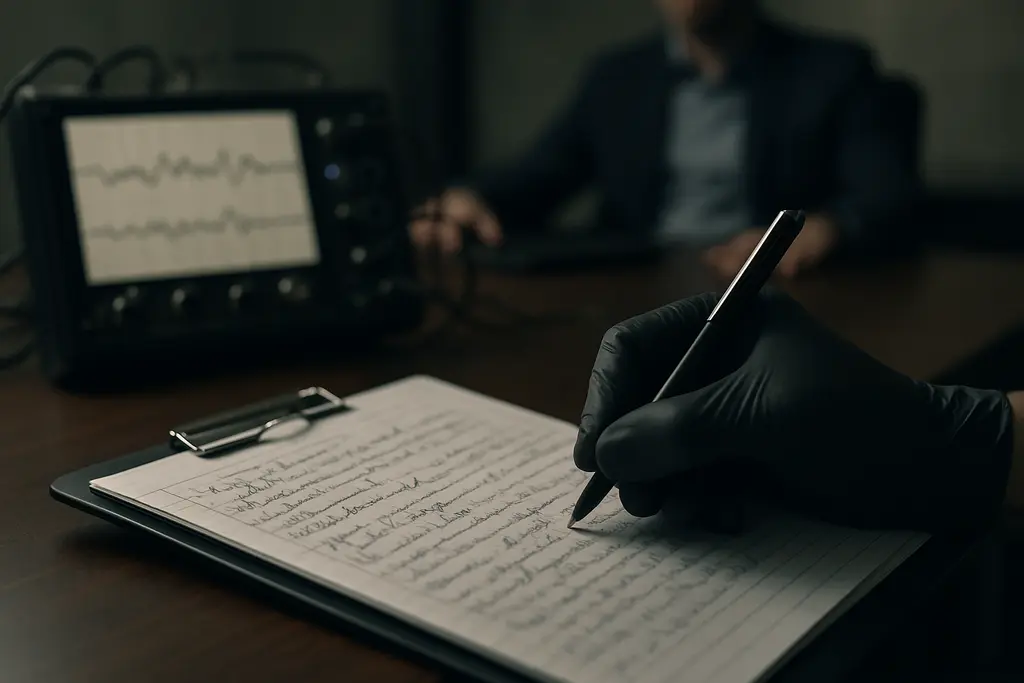
FBI polygraph testing remained part of federal hiring after the bureau changed how certain past conduct is reviewed in 2026. The policy shift did not remove screening. It changed how some disclosures are classified, moving selected issues away from automatic disqualification and toward case-by-case judgment.
That distinction matters for applicants, examiners, corporate investigators, and workplace integrity teams. A polygraph interview may surface conduct that is embarrassing, old, coerced, misunderstood, or still highly relevant. The recent FBI changes show why policy design matters as much as the test itself: a screening program must define what information is being sought, how it will be weighed, who reviews it, and what safeguards apply when the result is disputed.
FBI Polygraph Testing After The 2026 Policy Shift
What Changed In Applicant Review
In spring 2026, the FBI issued guidance ending categorical disqualification for some applicants who disclosed past involvement with prostitution and bestiality, with those issues instead subject to case-by-case review. CBS News reported that a June 16, 2026 internal electronic communication described new eligibility rules covering prostitution, theft, bestiality, and other prior applicant misconduct, while also noting that the FBI continued to require a polygraph test for prospective agents, analysts, and support staff CBS News reported.
The change did not mean every past incident became acceptable. The Washington Post reported that prostitution remained disqualifying if it occurred within the last 10 years, happened three or more times in total, or occurred while the applicant held a position of trust such as public safety The Washington Post reported. Under the revised standards described in the research record, theft from a prior employer also was no longer an automatic bar if it occurred more than three years earlier, and issues involving bestiality or animal cruelty could be considered differently if the conduct occurred before age 18.
What FBI Polygraph Testing Still Does
FBI polygraph testing still functions as a structured part of applicant vetting, not as a substitute for the full background process. During screening, applicants may be asked about past criminal or personal conduct, including conduct affected by the 2026 policy change. The test therefore remains a disclosure point as well as an investigative tool.
For polygraph service providers, the practical lesson is straightforward: a test question is only useful if the decision framework around it is clear. If a policy says certain conduct can be reviewed by context, the examiner, adjudicator, and applicant all need a shared understanding of what context may matter. Timing, frequency, coercion, age at the time, position of trust, and later candor can all become relevant under a case-by-case model, depending on the employer’s rules.
How Case-By-Case Review Changes The Hiring File
Disclosure Becomes More Central
Automatic bars create a simple but blunt rule: if the applicant reports a listed event, the application ends. Case-by-case review changes the record. It places more weight on what the applicant disclosed, how consistently the applicant described it, and whether the facts fit the eligibility policy.
That can support integrity when handled carefully. A candidate who reports difficult information early may give adjudicators a fuller record than one who conceals it until challenged. Yet a more flexible standard can also create concern if reviewers appear to excuse serious conduct without a clear explanation. The FBI example shows why written criteria are necessary. Without written criteria, flexibility can look like inconsistency.
Polygraph Results Are Not The Whole Record
A reported deceptive result or failed examination can still create a serious barrier for an applicant, especially where alleged criminal behavior is involved. At the same time, the research notes recognize that false positives and disputed results can occur, and that some moral or developmental context may allow further evaluation in certain cases. That is a cautious middle position. It neither treats the polygraph as irrelevant nor gives it more certainty than it can fairly carry.
Workplace and legal settings benefit from the same restraint. A polygraph result should be documented, reviewed against the governing policy, and compared with independent information where available. Internal investigators should avoid treating a test outcome as a standalone verdict when employment, security clearance, reputation, or legal exposure may be affected.
Practical Lessons For Polygraph Services
Policy Must Come Before Testing
FBI polygraph testing offers a useful example for organizations that use or evaluate screening services, but private employers should not copy a federal hiring model without separate review. The FBI is a federal law enforcement agency with its own mission, hiring authorities, and security standards. A corporate workplace, nonprofit, law firm, or regulated service provider may face a different legal and operational setting.
Before any examination is scheduled, an organization should define several points:
- What conduct or issue is relevant to the role or investigation.
- Whether the examination is being used for pre-employment screening, internal inquiry, or another approved purpose.
- Who will receive the report and how records will be protected.
- How disputed, inconclusive, or adverse results will be reviewed.
- Whether the decision will include corroborating evidence beyond the test.
Those questions help prevent overreach. They also help examiners frame relevant questions and avoid turning a screening appointment into a broad search for unrelated personal history.
Clear Communication Reduces Integrity Risk
Applicants and employees are more likely to understand the process when expectations are explained before the examination. That includes the purpose of the test, the topics covered, the limits of confidentiality, and the possible use of results. A related discussion of FBI polygraph criteria addresses how context-based review can affect applicant evaluation without eliminating disclosure duties.
Organizations that communicate about screening should also keep wording measured. A related network resource, Leap Year Publishing, reflects the broader value of clear policy-facing language: readers need direct explanations rather than inflated claims. That same principle applies to polygraph services. Promising certainty is risky; explaining process, limits, and decision criteria is far more useful.
Risks That Still Need Careful Controls

Flexibility Can Create Uneven Outcomes
Case-by-case review can be fairer than automatic rejection, particularly where a past act involved coercion, youth, or circumstances that do not reflect present suitability. Still, flexibility can also lead to uneven results if reviewers do not apply the same criteria across similar files.
For that reason, organizations should retain a clear audit trail. The file should show the disclosed conduct, the examination topic, the applicant’s explanation, any corroborating information, the applicable policy, and the reason for the final decision. This does not guarantee a perfect outcome. It does make the decision more reviewable if challenged later.
Recruiting Pressure Should Not Set The Standard
The research notes state that the FBI lost more than 1,100 special agents in 2025 through retirements, voluntary resignations, or firings, and that staffing pressure was one factor behind revisiting hiring and disqualification standards. Even when staffing needs are real, integrity standards should be changed through documented policy rather than informal exceptions.
That lesson applies well beyond federal hiring. If an organization relaxes a standard because it needs candidates, it should state the new rule, explain the reason, and keep the rule consistent. Quiet exceptions can damage trust inside the workplace and expose the organization to claims that decisions were arbitrary.
FBI Polygraph Testing And Hiring Integrity
FBI polygraph testing in 2026 showed a shift from rigid exclusion toward contextual review for selected past conduct, while preserving the polygraph as part of applicant vetting. The policy change did not remove scrutiny. It changed the way certain disclosures could be weighed.
For polygraph services in corporate and legal settings, the useful lesson is not that every organization should adopt the FBI’s thresholds. The lesson is that testing works best inside a defined integrity system. That system should identify relevant risks, invite truthful disclosure, respect known limits, preserve records, and prevent a single result from carrying more weight than it deserves.
Handled in that way, polygraph screening can support workplace integrity without pretending to supply certainty. The strongest programs are transparent about their purpose, cautious with adverse findings, and consistent in how they connect test results to policy-based decisions.