
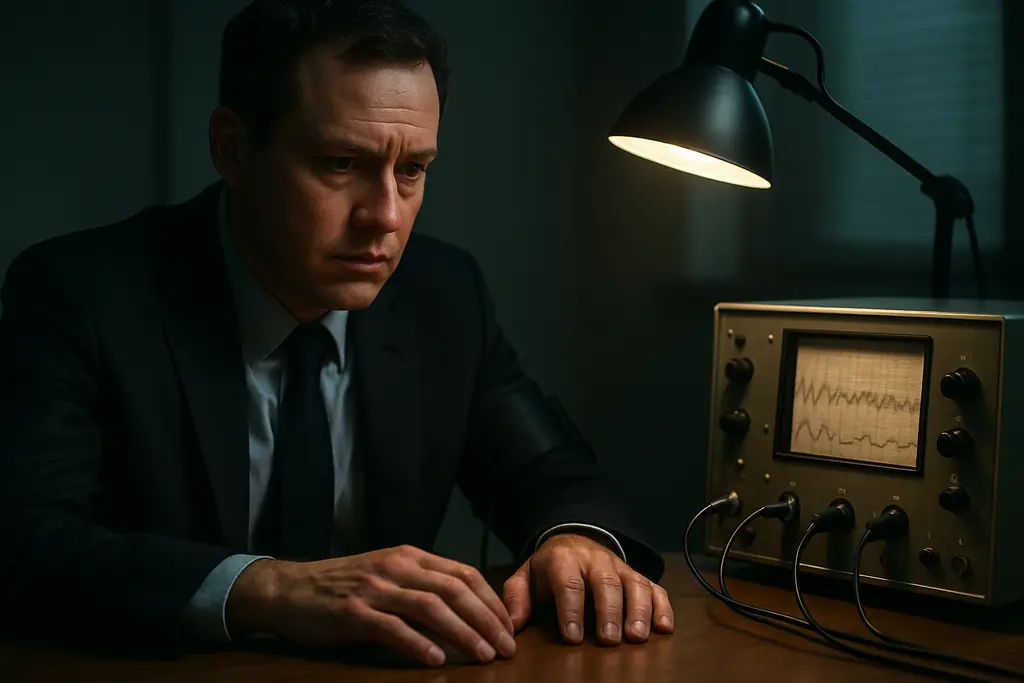
DHS Polygraph Ethics deserves careful attention after allegations that testing inside the Department of Homeland Security was used in ways employees experienced as coercive rather than as a neutral integrity tool. The concern is not only whether a polygraph examination can produce useful information in some settings. The larger question is whether the process gives examinees fair notice, avoids undue pressure, respects evidence limits, and supports workplace trust rather than fear.
On July 11, 2026, The Guardian reported that, over a four-month period, it spoke with more than three dozen current and former DHS officials who described polygraph examinations, forced reassignments, and other employment pressures as part of what they viewed as an intimidation campaign reported by The Guardian. Those are allegations, not court findings in the material provided. Still, they raise practical compliance questions for any organization that uses polygraph services in sensitive workplace or security contexts.
Readers who are exploring patterns of workplace accountability issues across various public institutions may benefit from checking additional insights at oldnorsenews.org. The point is not to treat every agency or employer alike, but to apply the same evidence discipline: claims should be sourced, methods should be disclosed, and serious employment consequences should not rest on unclear procedures.
Why DHS Polygraph Ethics Requires Clear Boundaries
How DHS Polygraph Ethics Turns on Consent
Consent is the first ethical pressure point. According to the reported accounts, some DHS employees said the examinations were described as voluntary in writing, while supervisors allegedly suggested that refusal could affect security clearance and, by extension, employment. A form can say one thing while the surrounding circumstances communicate another. In workplace integrity programs, that gap can damage the legitimacy of the entire process.
A defensible polygraph program should explain whether participation is voluntary, required by policy, or connected to a specific administrative process. It should also state the potential consequences of refusal in plain terms. If the consequence is uncertain, that uncertainty should be acknowledged rather than implied through threat or silence. This is not legal advice; it is a compliance principle grounded in fair process and informed decision-making.
Exam Length, Setting, and Pressure
The reported DHS accounts included examinations that lasted as long as six hours, with examinees placed in small, windowless rooms and monitored through equipment such as cameras, blood-pressure cuffs, breathing sensors, and pulse sensors. Polygraph examinations necessarily involve physiological recording, but duration and setting matter. A long session may be justifiable in some investigative circumstances, yet it can also increase fatigue, stress, and perceived pressure if not managed with clear breaks, documented reasons, and respectful examiner conduct.
For DHS Polygraph Ethics, the question is not whether testing rooms should be comfortable or whether examinations should be brief in every case. The more useful standard is proportionality. The scope, length, and tone of an exam should match the stated investigative purpose. If the purpose is administrative, the process should not feel indistinguishable from a criminal interrogation unless that status has been clearly explained and supported by proper authority.
Scientific Limits and Screening Risk
Specific-Issue Testing Differs From Broad Screening
Polygraph methods are not all used for the same purpose. A specific-issue examination focuses on a defined event or allegation. Broad screening may involve wider questions about suitability, loyalty, disclosure, or security concerns. The ethical risk increases when a result from a broad screening context is treated with the confidence of a specific factual finding.
The research record supports caution. A peer-reviewed update discussing the comparison question technique and the 2003 National Academy of Sciences report notes continuing limits in forensic lie detection and reflects the long-standing concern that polygraph screening has a weaker scientific basis than more focused uses polygraph testing review. That does not mean every examination is useless. It means employers and agencies should avoid presenting the result as a stand-alone truth determination.
In practical terms, polygraph results should be weighed with independent evidence, prior records, witness information, digital logs where relevant, and a chance for the employee or applicant to respond. When the potential outcome includes reassignment, clearance consequences, discipline, or career loss, corroboration becomes more than good practice. It is central to fairness.
Miranda Warnings and Administrative Confusion
The reported accounts also said a number of officials were “Mirandized” before polygraph examinations. The material provided says employees understood those warnings as implying possible criminal consequences, even though their matters were employment related. Without more records, it would be unsafe to state what legal status applied in each case. The ethical concern is clearer: examinees should understand the nature of the proceeding before questioning begins.
If an examination is administrative, the employee should know that. If criminal exposure is possible, the organization should not blur that boundary through ambiguous language. Confusion can affect cooperation, stress response, and later trust in the process. A clear script, written acknowledgment, and documented opportunity to ask questions can reduce that risk.
Practical Safeguards for Workplace Integrity

Notice Before the Examination
Several DHS employees reportedly said they were not shown the underlying allegations before testing or were not given a meaningful opportunity to respond before being directed to report. In any workplace integrity process, notice is one of the simplest safeguards. It does not always require disclosure of every investigative detail, but it should identify the general subject matter, the authority for the examination, the categories of questions, and the limits on use of the result.
A careful notice process also protects the organization. It reduces later disputes about surprise, scope drift, and whether the examinee understood the stakes. It helps examiners keep the session focused. It gives decision-makers a cleaner record when reviewing whether the process was fair.
Controls That Reduce Coercive Effects
Organizations using polygraph examinations should separate legitimate integrity controls from pressure tactics. If forced reassignment, removal of duties, or relocation is occurring at the same time as polygraph requests, employees may reasonably see the examination as part of a broader threat environment. That perception matters even when management believes it has operational reasons for its decisions.
Useful safeguards include:
- Written purpose statements that define the issue being examined.
- Clear disclosure of whether participation is voluntary, required, or conditional.
- Limits on question scope, with no surprise expansion beyond the stated purpose without documented reason.
- Reasonable breaks and a record of session length.
- Independent review before adverse employment action relies on a polygraph result.
- Corroboration through non-polygraph evidence wherever serious consequences are possible.
These controls do not guarantee a perfect result. They make the process easier to audit and harder to misuse. For a related discussion focused on long examinations and pressure concerns, see this analysis of DHS polygraph intimidation.
DHS Polygraph Ethics and Workplace Trust
DHS Polygraph Ethics is ultimately a trust question. Polygraph services can support workplace integrity when they are used for defined purposes, explained honestly, and weighed alongside other evidence. They can undermine integrity when examinees experience them as threats, when refusal is treated ambiguously, or when broad screening results are used as if they resolved a specific allegation.
The allegations reported on July 11, 2026, should be read with care: they are serious, sourced to many current and former officials, and still limited by the information publicly available. For compliance leaders, the lesson is practical. A polygraph program should be built so that even a skeptical reviewer can see why the test was requested, what the examinee was told, how long the session lasted, what questions were within scope, and what independent evidence supported any later action.
That standard does not promise certainty. It sets a higher bar for fairness. In workplace investigations, the strongest integrity systems are those that can admit the limits of a tool while still using disciplined procedures to seek reliable information.