
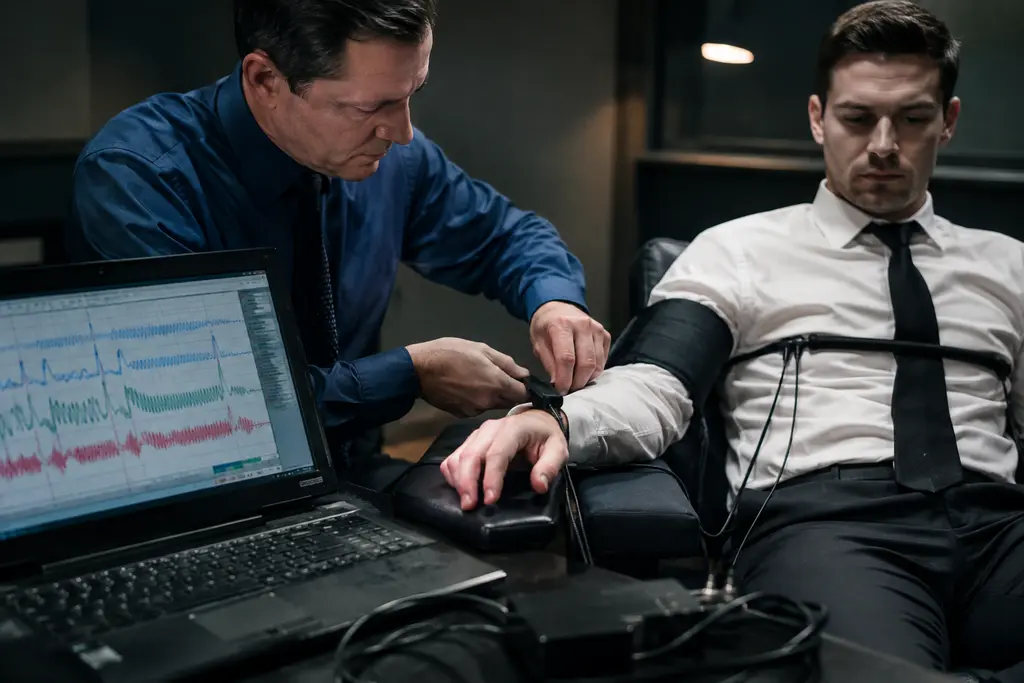
Texas Polygraph Rules are moving through a formal proposal process that could change who may conduct certain law-enforcement polygraph examinations in Texas beginning on January 1, 2027. For workplace integrity readers, the proposal matters because it connects examiner qualification, agency policy, continuing education, and limits on who may perform specific screening functions. It does not make polygraph results certain, and it should not be read as a broad rule for every private employer. Its strongest practical message is narrower: where polygraph examinations are used in sensitive appointment or investigation settings, examiner standards and agency controls matter.
What The Proposal Covers
Covered Examinations And Agencies
The proposed rules arise from Senate Bill 2180, which was adopted by the 89th Texas Legislature on May 30, 2025, became effective on September 1, 2025, and added Section 1701.318 to the Texas Occupations Code. The House Research Organization bill digest described the measure as requiring certification standards for polygraph examinations conducted by peace officers in covered settings, including pre-employment or pre-appointment screening when a Chapter 1701 license is required and criminal investigations House Research Organization digest.
The Texas Commission on Law Enforcement later proposed related administrative rules. As published in the Texas Register on October 16, 2026, proposed 37 Texas Administrative Code § 221.51 would create a law enforcement polygraph certificate. The proposal states that, as of January 1, 2027, peace officers would need the certificate for criminal-investigation and pre-appointment uses, while non-peace officers would need it for pre-appointment screening covered by the rule Texas Register proposed rules.
Texas Polygraph Rules Timeline
The timing is significant for agencies reviewing hiring and investigation procedures. The proposed rules were published on October 16, 2026. The public comment period lasts for 30 days following publication, the earliest possible adoption date is November 15, 2026, and the TCOLE Commission was scheduled to consider the proposal at its November 18-19, 2026 meeting. As of November 2, 2026, the rules remained proposed rather than adopted.
The compliance date in the research record is January 1, 2027. That date gives law-enforcement agencies a defined point for reviewing who conducts covered examinations, what training records exist, whether policies need revision, and how future examinations will be assigned. For outside observers, the key point is that the proposal is not merely aspirational; it is tied to an operational deadline if adopted in the form described.
Certification Standards And Continuing Education
Training Path And Renewal Duties
Under proposed Rule 221.51, applicants for the law enforcement polygraph certificate would need to complete an approved polygraph training program accredited by the American Polygraph Association or recognized by the American Association of Police Polygraphists. Applicants would also submit an application and fee. To maintain the certificate, the proposal requires 30 hours of continuing education every two years, including 16 hours through attendance at a commission-approved polygraph conference.
That continuing education requirement is relevant to workplace integrity because it treats polygraph examining as a skill that must be maintained, not a one-time credential that remains equally current without review. The proposal also addresses renewal after expiration by requiring completion of outstanding continuing education hours. From an integrity-control standpoint, that creates a record-based checkpoint: an agency should be able to identify whether the person conducting a covered examination holds the required certificate and has met renewal obligations.
Agency Restrictions And Policy Duties
Proposed 37 TAC § 211.29 would prohibit agencies from using persons without a valid polygraph certificate to conduct pre-appointment polygraph examinations. It would also bar peace officers from conducting criminal-investigation polygraph examinations without the certificate. Amended 37 TAC § 211.16 would require each law enforcement agency to adopt a policy related to polygraph examiners for certain types of examinations.
These agency-level provisions may be as important as the individual certificate. Certification identifies a qualified examiner for covered purposes. A written policy can help define how the agency verifies certification, assigns examiners, keeps records, and responds if a certification lapse is discovered. For workplace integrity programs, that distinction matters: the value of a rule often depends on whether managers can apply it consistently before a dispute arises.
Texas Polygraph Rules In Practical Context
Workplace Integrity Uses And Limits
The practical effect of Texas Polygraph Rules is most direct for law-enforcement pre-appointment screening and criminal-investigation contexts. The proposal does not support a claim that polygraph examinations can establish truth with certainty. Nor does it erase the need for interviews, background checks, documentation review, supervisory judgment, and applicable legal safeguards. It instead creates minimum standards for who may conduct covered examinations and requires agencies to address examiner use through policy.
That approach is consistent with cautious workplace integrity practice. A polygraph examination can provide information, but it should be treated as one part of a documented process. Agencies and employers that overstate a result risk creating unfairness, weak decision records, and avoidable disputes. Agencies that under-document examiner qualifications face a different risk: even if the examination was conducted in good faith, the process may be harder to defend if the examiner’s status cannot be shown.
What Corporate Readers Should Not Assume
Corporate compliance teams may find the proposal useful as a benchmark for governance, but they should avoid treating it as a direct instruction for all private workplaces. The research record addresses TCOLE rules, peace officers, non-peace officers conducting covered pre-appointment screening, and law-enforcement agency policy duties. It does not supply a universal private-employer framework. For readers comparing this agency-focused proposal with broader employment concerns, prior coverage of polygraph employment rules separates certification issues from wider workplace testing limits.
Still, the governance lessons travel well. Any organization considering integrity screening should ask whether the examiner is properly qualified, whether the purpose of the examination is clearly documented, whether the tested person receives required notices or process protections where applicable, and whether decision-makers understand the limits of the result. For readers tracking integrity and governance resources across related community and workplace settings, a related site in the same network offers additional community insights separate from this legal analysis and does not affect the Texas rulemaking record.
Risk Controls For Agencies And Integrity Teams

Controls Before January 1, 2027
Because the rules were still proposed on November 2, 2026, agencies should avoid treating the proposal as final until the rulemaking process is complete. Even so, the January 1, 2027 compliance date gives a practical planning window. A cautious review can be useful without assuming final adoption. Agencies can identify who currently conducts covered examinations, compare training history with the proposed certificate pathway, and prepare policy language that can be adjusted after final action.
- Inventory all personnel who conduct covered pre-appointment or criminal-investigation polygraph examinations.
- Confirm whether each examiner completed training accredited by the APA or recognized by the AAPP.
- Track continuing education records against the proposed 30-hour, two-year cycle.
- Draft or revise agency policy for examiner assignment, certificate verification, and record retention.
- Flag examinations scheduled near January 1, 2027 for extra credential review if the rules are adopted.
Those steps are administrative, but they also support fairness. When the process is clear, examinees, investigators, supervisors, and outside reviewers can better understand how the examination was authorized and who conducted it. That does not validate every result. It does strengthen the integrity record around the examination.
Texas Polygraph Rules For Workplace Integrity
What The Proposal Signals
Texas Polygraph Rules signal a preference for defined qualifications, continuing education, and written agency responsibility in covered polygraph settings. That is a narrower and more reliable lesson than treating the proposal as proof that polygraph testing should expand into every workplace context. The rules, if adopted, would set a floor for certain law-enforcement uses rather than remove the need for judgment.
For workplace integrity leaders, the useful standard is disciplined restraint. Use qualified examiners where testing is legally permitted and operationally justified. Keep the purpose specific. Maintain records. Avoid overstating what the examination can prove. Pair any result with other evidence before making a consequential decision. On the current record, the Texas proposal is best understood as a certification and governance development, not a promise of certainty.