
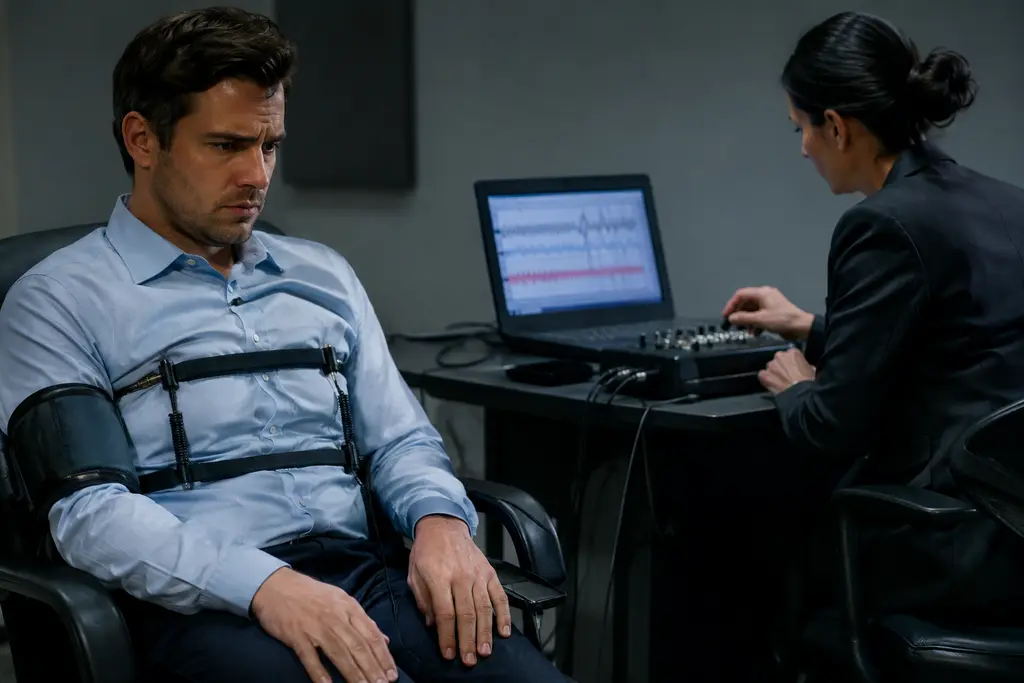
Recent polygraph disclosure cases have put a practical question in front of employers, investigators, and public agencies: how can an organization use testing information for integrity purposes without turning sensitive records into public reputation damage? The answer is not simply to keep every detail secret. A fair process needs disclosure to the right people, clear limits on access, and a written reason for each use of test information.
The privacy concern is sharper because polygraph material can contain more than a pass, fail, or inconclusive result. Examination files may include charts, examiner notes, admissions, background details, and statements that were gathered under pressure or during a formal investigation. Once that information is repeated outside the intended process, the harm can be hard to repair, even if later facts place the test result in a different context.
Why Polygraph Disclosure Cases Raise Privacy Risk
Polygraph information sits at the intersection of workplace trust, security, and personal dignity. Employers and agencies may believe they have a legitimate reason to investigate leaks, misconduct, or other integrity concerns. Employees and examinees, in turn, have a reasonable interest in knowing who will see the information, how long it will be retained, and whether it can be repeated outside the investigation.
What Polygraph Disclosure Cases Can Reveal
Recent reporting described incidents in which polygraph results were discussed in connection with personnel-security or counterintelligence files. That matters because those files can contain investigative judgments, sensitive employment information, and details about a person’s conduct or credibility. Even a verbal disclosure can carry consequences if the information identifies the examinee and links that person to a failed test, a security inquiry, or a disputed admission.
The privacy issue is not limited to whether the test was properly administered. A record can be accurate and still be mishandled. A person may have consented to the examination for a defined purpose but not to broad circulation of the result. In workplace settings, that distinction should be written into the policy before testing begins, not debated after a disclosure has already occurred.
Disclosure Is Different From Testing
Testing asks whether a specific process was authorized, relevant, and conducted within known boundaries. Disclosure asks a separate question: who has a need to know after the exam? A supervisor, investigator, security officer, human resources professional, outside counsel, court, or government agency may each have a different role. Treating all of them as interchangeable audiences increases privacy risk.
That is why a clear disclosure map should be part of any workplace integrity program. The map should identify the record owner, the permitted recipients, the approval path for release, and the method for documenting each transfer. Without that structure, informal comments can function like official disclosures while escaping the safeguards that normally apply to records.
The Legal Tension Between Secrecy And Accountability
Recent litigation also shows that privacy and transparency can point in different directions. In Delgado v. DOJ, decided on September 25, 2026, the Department of Justice summarized a dispute involving the FBI’s reliance on FOIA Exemption 7(E) to withhold information about examination methods, including polygraph-related methodology, on the ground that release could help people evade investigative procedures DOJ case summary. That type of claim is not about embarrassing an examinee; it is about protecting methods.
Personal results raise a different concern. A government agency may have reasons to withhold methodology while still needing strict rules for personal records. The ethical problem appears when an organization uses operational secrecy to resist accountability, or uses public disclosure to justify a personnel action without giving the affected person a fair process. Polygraph disclosure cases show why both errors matter.
Employment Records Need Separate Handling
Federal polygraph regulations address disclosure in the employment context. The rule on disclosure of test information states that information obtained during a polygraph test may be disclosed to specified recipients, including the examinee, the employer that requested the exam, and certain government or court recipients under defined conditions. It also addresses disclosure to an appropriate governmental agency when admissions of criminal conduct are involved 29 CFR § 801.35.
That framework is a practical reminder, not a substitute for legal advice. Employers should not treat a polygraph file as a routine personnel memo. The file may need stricter access controls, a narrower retention rule, and a documented reason for every disclosure. For a related ethics discussion, see this analysis of workplace polygraph ethics, which focuses on safeguards for trust, privacy, and fair use.
Practical Controls For Workplace Integrity Programs
Organizations that use polygraph services should be able to explain the privacy controls in plain language before the examinee arrives. That explanation should not promise certainty or guaranteed outcomes. It should state the purpose of the exam, the categories of records created, the people who may receive them, and the circumstances under which information could be shared beyond the original investigation team.
Limit The Audience Before The Exam
The most effective privacy control is often the simplest: decide in advance who is allowed to see the file. If a later disclosure is necessary, the organization can compare the request against the written policy rather than making an ad hoc judgment during a high-pressure investigation.
- Define the purpose of the polygraph in writing before scheduling the exam.
- Separate test charts, examiner reports, admissions, and management decisions where possible.
- Restrict access to people with a specific investigative, security, compliance, or records role.
- Record each disclosure, including the date, recipient, reason, and approving official.
- Prepare a public-communication rule for cases that attract press or employee attention.
These controls do not remove every risk. They do create a record showing that the organization treated the information as sensitive from the start. That record can be useful for internal accountability and for maintaining employee confidence during an investigation.
Separate A Result From A Decision
A second safeguard is to avoid presenting a result as if it automatically resolves the employment question. A polygraph file may contribute to an inquiry, but the workplace decision should identify the full basis for action: documents, witness statements, access logs, admissions, policy violations, or other relevant evidence. If the organization cannot explain the decision without exposing private test material, that is a warning sign that the disclosure plan may be too weak.
This separation also protects the integrity of the process. Managers should not casually repeat that an employee failed a test, refused a test, or made an admission unless the policy allows it and the disclosure is necessary for a defined purpose. Privacy-aware discipline is especially relevant for organizations that manage multiple public-facing properties, including related sites such as Finest Image, because consistent information-handling standards reduce confusion across teams.
How AI-Aided Polygraph Research Adds Privacy Questions

The research notes for this topic described an October 5, 2026 clarification about a multi-year “Modernizing Polygraph” effort. The clarification said the work did not involve generative superintelligence, while still referring to non-generative AI research connected to sentiment analysis and deceptive speech. Even without generative systems, the privacy issue remains significant because these tools can expand the categories of data collected and analyzed.
Data Categories Matter
Traditional polygraph records already require careful handling. If a program adds speech analysis, facial analysis, sentiment indicators, or other behavioral data, the record may become broader and harder for the examinee to understand. A workplace program should therefore explain what data is collected, what is not collected, how the data is interpreted, and whether automated or AI-aided outputs influence human decisions.
Clear limits are especially important where employees may fear that a test will affect a security clearance, assignment, promotion, or professional reputation. A vague reference to “trustworthiness” can be too broad to guide fair data use. A better policy ties each technique to a defined investigative question and excludes unrelated personal information.
Error Handling Should Be Planned
Privacy planning should also address errors. If a file contains a disputed result, a later correction, or a management decision that did not rely on the result, the record should make that clear. Otherwise, a partial disclosure can create a misleading impression. The ethical duty is not only to prevent unauthorized release; it is also to avoid selective release that strips away context.
For employers, this means reviewing disclosure procedures before a crisis. For examinees, it means asking practical questions before testing: who receives the report, whether admissions are separated from charts, how corrections are handled, and what process exists if information is shared beyond the stated audience. Those questions support informed participation without encouraging evasion or obstruction.
Privacy Lessons From Polygraph Disclosure Cases
The central lesson from polygraph disclosure cases is that privacy protection must be built into the process, not added after a dispute. Testing policies should define the purpose, the records, the recipients, the retention rule, and the approval path for any broader disclosure. Public agencies and private employers may face different legal duties, but both can reduce harm by treating polygraph material as sensitive investigative information rather than casual workplace knowledge.
A transparent policy will not satisfy every concern, and it should not be advertised as a guarantee of accuracy, fairness, or confidentiality in every circumstance. It can, however, make the process more accountable. When employees know the boundaries, managers know the limits, and records staff know the release rules, a polygraph program is less likely to damage trust through avoidable disclosure.