
Polygraph Process: What Employees Should Expect

Polygraph process expectations for employees in workplace investigations, including EPPA limits, notice rules, rights, and result handling.
Polygraph process expectations for employees in workplace investigations, including EPPA limits, notice rules, rights, and result handling.

Polygraph use updates point to stricter workplace safeguards, federal research, and clear limits for HR teams weighing trust and risk.

How recent federal leak inquiries show polygraph testing can support workplace integrity when paired with oversight and evidence.

EPPA employee rights define when workplace polygraphs are barred, when limited exemptions may apply, and what safeguards employees should expect.

Polygraph transparency helps military and workplace leaders set consent, relevance, counsel, oversight, and documentation standards before testing.
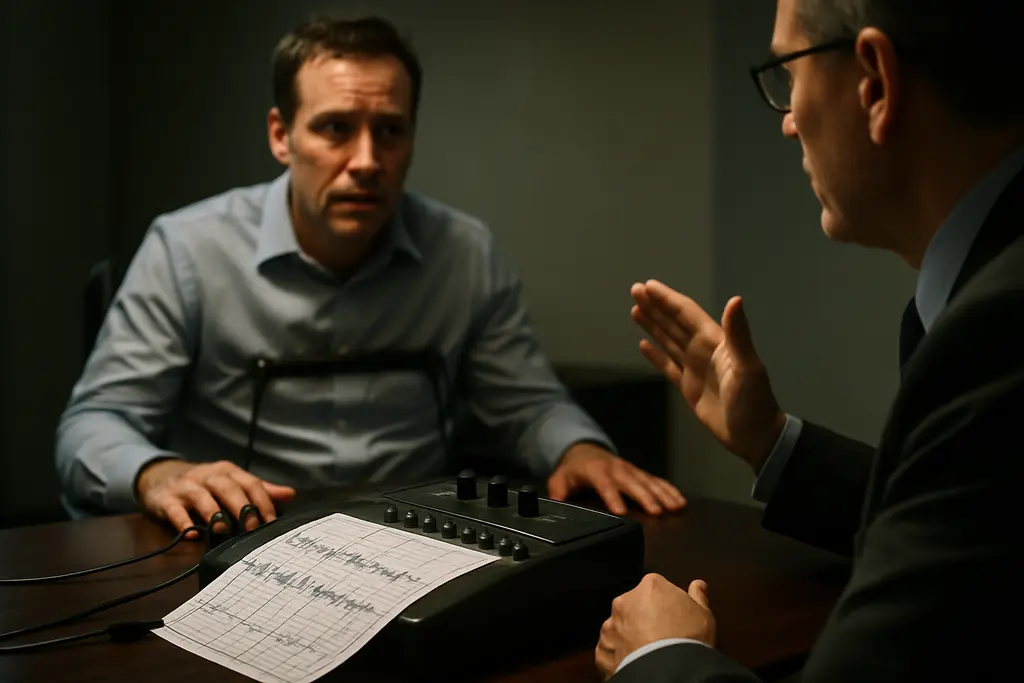
Pentagon polygraph ethics after the August 2026 leak tests, with legal limits, consent questions, and fair-use safeguards for workplaces.

Polygraph Limitations matter in false confession risk. Review 2026 research, examiner feedback concerns, and cautious workplace use.

Pentagon Polygraph Testing raises employee trust questions in leak investigations, showing why scope, limits, and communication matter.
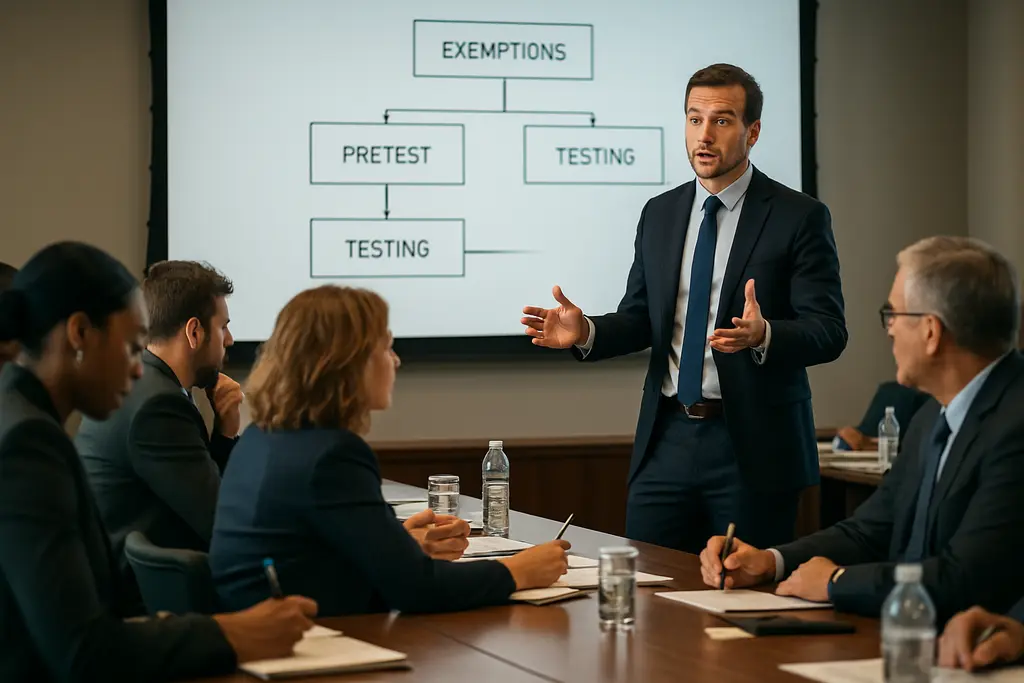
DOL polygraph guidelines affect private employers, employees, AI truth tools, notices, exemptions, and workplace testing risk.

DHS Polygraph Testing raises psychological safety concerns; review consent, error risk, and safeguards for workplace integrity.