

Dealing with the Employee Polygraph Protection Act is like trying to solve a Rubik’s Cube blindfolded. Why risk your company’s future with amateurs when the stakes are so high?
Third-party experts are more than just consultants. They are your legal lifeline. The EPPA is strict, and you shouldn’t try to handle it yourself. Think of them as workplace detectives, finding the truth without getting you into court.
Using a polygraph provider is wise for your business. They know the rules and can help you avoid big legal problems.
Choosing the right polygraph provider protects your business from big mistakes. It’s not about spending more money. It’s about having peace of mind.
Certification & Licensing Explained
Ever wonder what makes a real polygraph pro different from someone who bought a machine online? It’s all about the right credentials. These are the kind that even James Bond’s Q branch would take notice of.
Certification is more than just a piece of paper. It shows that the person testing you knows what they’re doing. It’s like the difference between a real surgeon and someone who just watched a lot of medical shows.
The American Polygraph Association (APA) is the top place for accredited polygraph examiner training. Their rules are strict, making sure only the best pass the test.
So, what does proper certification really mean?
- Minimum 400 hours of accredited training
- Rigorous written and practical examinations
- Ongoing continuing education requirements
- Adherence to strict ethical standards
- Regular quality control reviews
Many people get confused between certificates, certifications, and licenses. But in polygraphy, it’s very important. A weekend course doesn’t equal APA certification.
State laws on licensing vary, but the best examiners go beyond what’s required. They get extra certifications and join peer review programs. This shows they’re truly experts.
| Credential Type | Training Hours | Ongoing Requirements | Oversight Body |
|---|---|---|---|
| Basic Certificate | 40-80 hours | None | Private organizations |
| State License | 200-300 hours | Annual renewal | State boards |
| APA Certification | 400+ hours | Continuing education + peer review | American Polygraph Association |
At reputable firms, you’ll find examiners who value their credentials a lot. They have many certifications and test their skills often.
It’s easy to spot an unqualified examiner. Look out for these signs:
- Vague or evasive answers about training
- Inability to provide license numbers
- No references from legal professionals
- Prices that seem too good to be true
- Resistance to discussing methodology
Remember, when it comes to finding the truth, you can’t cut corners on credentials. It’s like using a chocolate teapot – it might look good, but it’s useless in real life.
Service Comparison
Choosing a polygraph provider is like dating in the digital age. Everyone looks good online, but the real test is when you meet. Some providers are like a five-star restaurant, while others are more like a questionable food truck.
Price tags can be misleading. A cheap polygraph provider might seem good at first, but what do you really get? Getting EPPA compliance right is not optional—it’s a must. Does your provider really help, or just go through the motions?

Experience is key. Are the examiners seasoned pros or newbies? You wouldn’t want a rookie pilot, so why trust an inexperienced examiner?
Technology and methods make a big difference. Advanced tools and proven methods ensure accuracy. Old tools? They’re as reliable as a flip phone in today’s world.
Ethical records are a must. A provider with a history of shortcuts is like a chef who reuses leftovers. You need honesty and integrity, not quick fixes.
When choosing providers, consider these key points:
- EPPA Compliance Expertise: Full support versus basic compliance
- Examiner Credentials: Years of experience and specialized training
- Technology Stack: Modern equipment versus outdated tools
- Ethical Standards: Clear track record and transparency
- Reporting Depth: Detailed analysis versus shallow results
Knowing the differences between vendors and third-party providers is also important. Some are true partners, while others are just transaction-focused. Choose one that fits your values and risk level.
Choosing a polygraph provider is not just about finding the cheapest option. It’s about finding the best fit for accuracy, compliance, and peace of mind. When the stakes are high, you want the best, not something reheated.
Questions Employers Should Ask
Think of this as a polygraph test for your polygraph examiner—the ultimate meta-investigation. You’re not just hiring someone to ask questions; you’re conducting the most important interview of the process. The right queries can reveal more than any machine ever could.
Here’s your interrogation playbook—questions that separate the professionals from the pretenders:
- What specific certifications do you hold beyond basic licensing? Look for American Polygraph Association accreditation or state-specific advanced credentials.
- How many EPPA-compliant tests have you conducted in the past year? Experience matters, but recent, relevant experience matters more.
- Can you walk me through your process for handling inconclusive results? The real test of an expert isn’t getting answers—it’s knowing what to do when answers aren’t clear.
- What’s your approach to maintaining chain of custody for evidence and recordings? This isn’t just paperwork—it’s your legal protection.
- How do you ensure compliance with state-specific polygraph regulations? Laws vary more than regional barbecue styles, and ignorance isn’t a valid defense.
- What’s your methodology for minimizing false positives? Even lie detectors have trust issues—the best examiners know how to manage them.
- Can you provide sample reports from previous cases? The devil’s in the details, and so is the quality of your examiner.
Remember, you’re not just hiring a technician—you’re hiring a strategic partner in truth verification. The right accredited polygraph examiner won’t just answer these questions confidently; they’ll appreciate that you asked. After all, in the business of truth, the most dangerous lies are the ones we tell ourselves about qualifications.
Reviewing Credentials & Experience
So you’ve found a polygraph provider with all the right paperwork. Congratulations – you now own a Ferrari with no engine. It looks stunning in the driveway, but getting to the grocery store is a challenge.
Credentials without real-world experience are like a chef with culinary school honors who’s never cooked for actual customers. The diplomas might impress your HR department, but they won’t help when your investigation hits a wall.
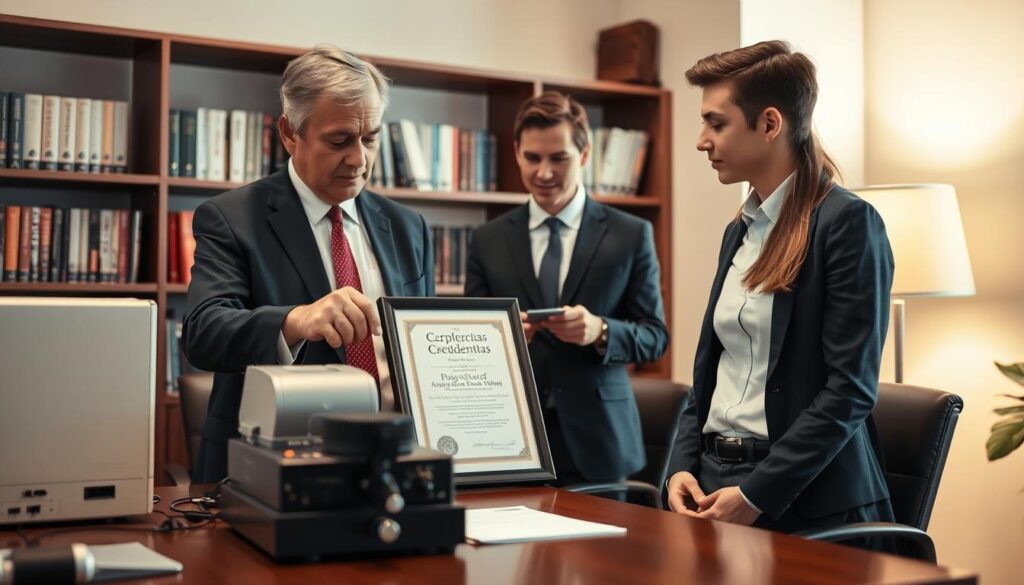
The real magic happens when you dig beyond the framed certificates. Ask the tough questions: How many actual cases have they handled? What’s their track record when results get challenged in court? You’re not hiring someone to pass a test – you’re hiring someone who’s been through the fire.
Here’s what separates the professionals from the paper-pushers:
- Case volume matters: A provider handling 5 cases monthly versus 50 weekly develops completely different instincts
- Courtroom experience: Ask how often they’ve testified and how their results held up under cross-examination
- Specialization: A corporate fraud expert might struggle with national security cases, and vice versa
References aren’t just checkboxes to mark. They’re your backstage pass to understanding how this provider performs when the pressure’s on. Call past clients and ask specific questions about turnaround times, communication style, and whether results stood up to scrutiny.
Remember that comprehensive provider credentialing guide we mentioned? It’s your playbook for this exact process. Because in high-stakes situations, you don’t want someone who’s just passed the tests – you want someone who’s aced the real-world applications.
The best polygraph providers wear their experience like armor, not jewelry. They can tell you war stories about cases that went sideways and how they recovered. That’s the difference between someone who knows the theory and someone who’s lived the practice.
When reviewing experience, look for patterns, not just numbers. A provider who’s worked similar cases to yours multiple times brings more value than someone with higher volume but irrelevant experience. It’s about quality of miles, not just mileage.
Provider Interview Checklist
Interviewing a polygraph provider is not like grabbing a coffee. It’s more like a detailed questioning session. You’re not trying to be mean, but you must ask all the right questions. You’re looking for an accredited polygraph examiner who follows the rules strictly.
Start by asking about their EPPA documentation process. If they seem unsure or vague, that’s a warning sign. The Employee Polygraph Protection Act is not just a suggestion. It’s the law. A good accredited polygraph examiner will know this inside out.
Next, ask about their plan for emergencies. For example, what do they do if someone gets upset or if the equipment fails? Their answer will reveal a lot. Do they have a clear plan, or do they make it up as they go along? You’re hiring a professional, not a magician.
Here’s your essential checklist of questions to ask during the interview:
- Can you provide verifiable proof of your current accreditation and licensing?
- How do you ensure full EPPA compliance in your testing and documentation process?
- What is your specific protocol for handling a subject in distress?
- Can you walk me through your equipment calibration and maintenance schedule?
- What is your process for handling inconclusive or disputed results?
Listen carefully to their answers. Do they give clear, detailed responses, or do they dodge and use technical terms to avoid answering? A true professional welcomes these questions. They see them as a chance to show their skills, not as an attack.
What you’re looking for in their answers is specific details, not general statements. The table below shows important topics and the warning signs to watch for:
| Discussion Point | What a Good Answer Sounds Like | Red Flag Response |
|---|---|---|
| EPPA Compliance | Detailed walkthrough of consent forms, pre-test advisories, and report retention policies. | “We’re fully compliant” with no specifics or evidence. |
| Crisis Management | A clear, multi-step protocol for pausing the test and providing medical assistance if needed. | “It’s never happened” or “We’d figure it out in the moment.” |
| Equipment Standards | Specific mention of regular, documented calibration against known standards. | Vague references to “top-of-the-line equipment” without maintenance details. |
| Result Interpretation | Explanation of blind scoring and quality control measures to prevent bias. | Overconfidence in “infallible” results or inability to explain the scoring process. |
Remember, you’re the boss. This checklist helps you find the best. It’s not about who’s the most charming or has the best sales pitch. It’s about who follows the rules strictly.
This is your guide. An accredited polygraph examiner will answer all these questions well and appreciate your thoroughness. It shows you value integrity, and that’s what you should look for.
Mock Session Demo
Think of a mock session like a test drive for polygraphs. You wouldn’t buy a car without trying it out first. The same goes for choosing a polygraph provider. This hands-on test helps you find the real experts from the ones who just talk a good game.
A good demo shows more than just the equipment. Watch how the examiner asks questions. Are they clear and fair? The best providers think like chess players, planning their moves ahead of time. Their skill in asking questions tells you a lot about their abilities.
The interpretation phase is where things get really interesting. A skilled examiner looks at the data like a forensic scientist. This is your chance to see if their explanations are clear or just sound like TV drama.
In the end, the mock session shows if your polygraph provider can back up their claims. Seeing how they work helps avoid costly mistakes. Remember, when it comes to finding the truth, what you see is more important than what you hear.