
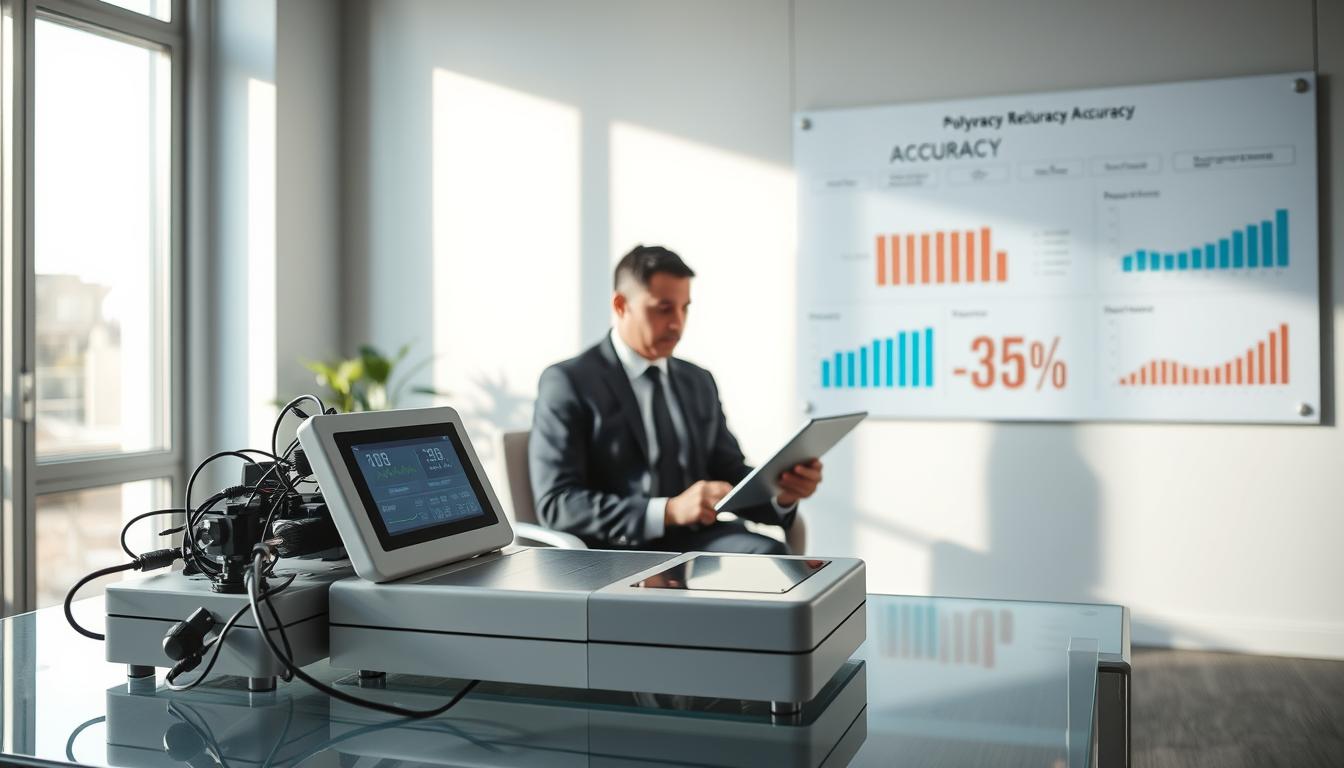
Forget everything you’ve seen on crime dramas. Polygraphs aren’t magic truth machines – they’re more like sophisticated mood rings with better PR.
Studies show these devices hit their mark 70-95% of the time. That sounds impressive until you realize it’s like trusting a weather app that’s right most of the time during hurricane season.
The real question isn’t about perfect detection. It’s about understanding what that confidence interval actually means for polygraph reliability.
We’re diving into the squiggly lines and sweaty palms that define modern truth verification. Let’s explore why even the best examiners are basically reading physiological tea leaves.
Factors Influencing Results
The truth about lie detectors isn’t in the machine itself, but in the chaotic human elements surrounding the test. Think of it as a psychological tango where both examiner and subject bring their own baggage to the dance floor.
First, consider the examiner’s qualifications. Are we talking about an FBI veteran with thousands of tests under their belt, or someone who got certified over a weekend seminar? The difference in accuracy rates between these extremes could span continents.
Then there’s the subject’s psychological state. That nervous flutter in your chest? The machine can’t distinguish between guilt about corporate espionage and anxiety about being late for dinner. Medications, sleep deprivation, even caffeine intake – they all become uninvited variables in the equation.
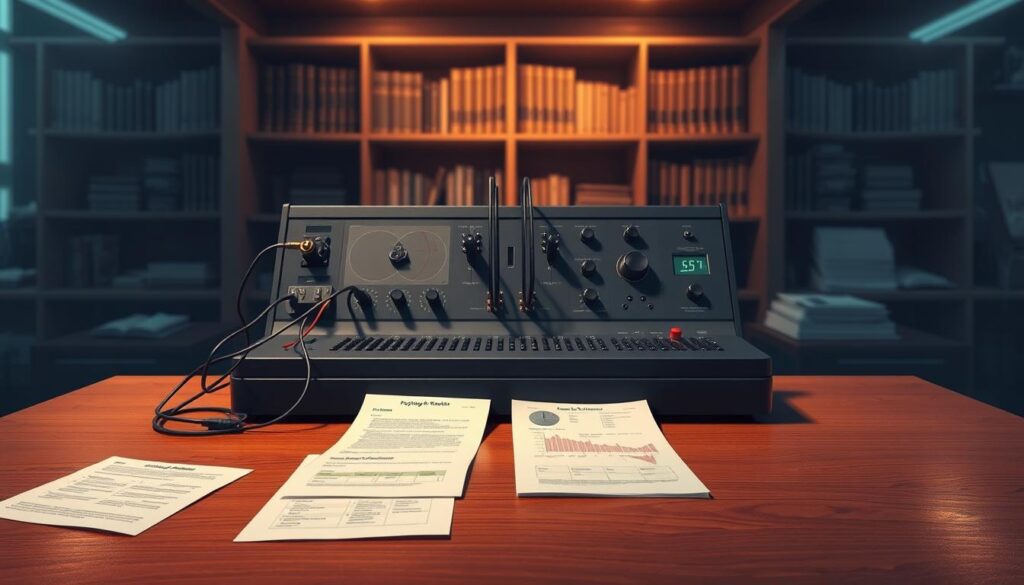
Poorly designed questions create another layer of complexity. Vague phrasing or leading questions can trigger physiological responses that have nothing to do with deception. It’s like asking “Have you stopped stealing office supplies?” when the subject never started.
Some subjects attempt countermeasures – from biting their tongue to mental math exercises. These tactics create statistical noise that further clouds the results. The machine becomes a confused bartender trying to interpret mixed signals from an overly chatty guest.
Even the testing environment plays a role. Is the room comfortable and neutral, or does it feel like an interrogation chamber? Temperature, lighting, and privacy levels all influence the physiological responses being measured.
All these factors combine to create what experts call contextual interpretation. This complexity explains why false positives occur more frequently than people realize.
Ultimately, understanding these variables helps explain why polygraph accuracy rates vary so dramatically. It’s not just about the technology – it’s about the human drama unfolding around it.
Addressing False Positives & Negatives
Let’s talk about the real limits of lie detectors. Polygraph testing is a mix of science and psychology. Sometimes, it gets the signals wrong.
A false positive happens when a truthful person is seen as lying. Maybe you’re too nervous because of too much coffee or fear of failing. Your heart racing and palms sweating can be seen as proof against you.
On the other hand, a false negative occurs when a dishonest person passes the test. They might be very good at hiding their true feelings or know how to control their breathing.
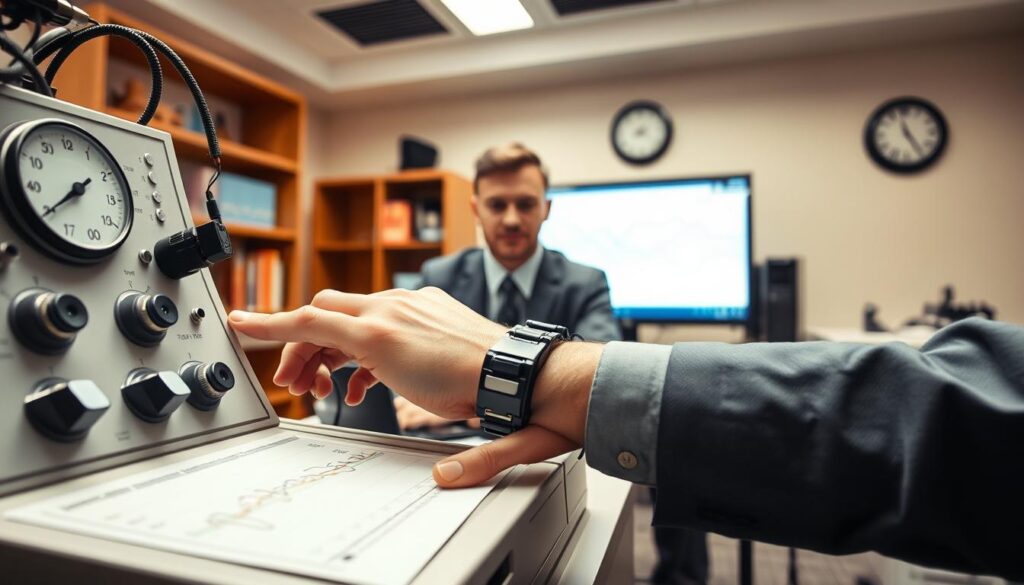
So, why do these mistakes happen? Polygraphs measure how your body reacts, not if you’re lying. Things like anxiety, health issues, or cultural differences can lead to wrong readings. It’s like trying to understand a movie without subtitles – you might get the feeling but miss the details.
Here are some reasons why polygraphs might not work:
- Examinee anxiety unrelated to deception
- Physical conditions affecting heart rate or sweating
- Cultural differences in stress expression
- Examiner bias or inexperience
- Countermeasures practiced by deceptive subjects
Studies show false positives range from 5-15% in controlled tests. But in real life, with all the human errors, these numbers could be even higher.
This isn’t just theory. Think of The Fugitive and Making a Murderer. Real people’s lives are affected by these misunderstandings.
Knowing the test limits isn’t about throwing away polygraph technology. It’s about understanding its limits. The machine can’t tell if you’re scared or innocent. It doesn’t get that your culture might show stress differently.
In serious situations, like job screenings or criminal investigations, these test limits are critical. False results can ruin lives and careers.
The main point is, polygraph results should never be the only proof. They’re just one piece of evidence, with clear test limits that experts must acknowledge. The best testers know the tech’s strengths and its human weaknesses.
How Experts Mitigate Risk
Professional polygraph testing is like comparing a garage band to the New York Philharmonic. Both make noise, but only one creates music. Expert examiners work with the precision of a master watchmaker. They know that polygraph reliability comes from their skills, not just the machine.
These experts don’t just hook you up to sensors and hope for the best. They’re part technician, part psychologist, and part human lie detector. Their training goes beyond just operating equipment. They understand how to create the perfect testing environment and interpret subtle physiological cues.
They start by establishing baselines. Before the real questions, they calibrate the machine to your personal physiological fingerprint. They find out your normal heart rate and how you breathe when relaxed. It’s not one-size-fits-all testing – it’s bespoke physiological profiling.
The real artistry is in reading multiple signals at once. Heart rate, breathing patterns, and sweat gland activity are like an orchestra. The examiner looks for a symphony of physiological responses that either harmonize or create discord.
They also account for individual differences. A nervous truth-teller and a calm liar can produce similar readings. They consider personality types, medical conditions, and cultural backgrounds that might affect responses. It’s this nuanced understanding that separates the pros from the pretenders.
At the end of the day, polygraph reliability depends on the examiner’s ability to be both scientist and storyteller. They’re not just measuring biological functions – they’re interpreting human behavior. It’s this multi-layered approach that sometimes turns this imperfect science into something approaching art.
Reviewing Reports
The zigzag line on a polygraph report is more than just data. It’s a thrilling story where the outcome depends on who’s reading it. Experts often disagree, much like film critics discussing a director’s vision. The accuracy rates depend on how well one can interpret the data, not just the science behind it.
Examining a polygraph is like watching a suspense movie. First, a baseline is set by measuring your calm responses to simple questions. Then, the real questions are asked. Spotting considerable shifts from the baseline is key, as these indicate possible deception.
It’s like tracking a heart rate during a suspenseful scene. The spikes are important, but understanding the context is critical. Experienced examiners look at patterns, not just numbers. They compare your responses to control questions and the critical ones.
The accuracy rates of these tests improve when experts follow a detailed process. They’re not just reading numbers; they’re interpreting the data. This mix of science and psychology makes it fascinating.
Why might two examiners disagree on the same chart? It’s like two art critics viewing the same abstract painting. One sees genius, the other sees chaos. Polygraph results are influenced by many factors, including the questions asked and the examiner’s experience.
Medical research shows that comparing processes is key. Examiners look for specific patterns that indicate deception, not just any reaction. This skill separates the pros from the amateurs.
The best analysts treat each chart like a mystery to solve. They consider context, question phrasing, and individual baselines. They know that a spike could mean guilt or a need to use the bathroom. This nuanced approach is what makes the difference.
At the end of the day, interpreting these reports is more about skill than data. The same physiological responses can tell different stories based on who’s reading them. This is why accuracy rates vary so much.
The real question is: Are we measuring deception, or are we measuring our own understanding of it? The charts don’t lie, but our interpretations might. This is the challenge of polygraph analysis – to separate the signal from the noise in a very human way.
Responding to Inconclusive Results
What happens when the polygraph test gives a shrug instead of an answer? Inconclusive results are the machine’s way of saying, “I’m not sure.” It’s like your GPS losing signal right at the crossroads.
Polygraph tests are not infallible. Their accuracy has limits. Understanding these test limits is key. Sometimes, the truth remains hidden in the gray areas.
Experts might suggest a retest. They could dig deeper with more questions. Or they might accept that technology has its boundaries. It’s a reminder that machines, like humans, have flaws.
False positives and false negatives happen. Even with robust checks, errors occur. This uncertainty affects justice, jobs, and reputations. It asks us: can we always know the truth?
Facing inconclusive outcomes means embracing doubt. It’s not a failure but a reality check. The most honest response might be, “We don’t know.” And sometimes, that’s exactly where wisdom begins.