

The lie detector test has changed a lot from its old image. Now, technology plays a big role in it. It has changed how we collect data and analyze it.
Back in 1921, John A. Larson created a machine that was a big deal. Leonarde Keeler later added something new. These early machines were the start, but there was more to come.
In the 1990s, things changed with digital and computerized analysis. This made the tests more accurate and less prone to mistakes. Legal standards also got updated, making the results more trusted.
Now, examiners use advanced software and sensors. This makes the results even more reliable. For more on modern polygraph services, our team uses these tools with expert analysis.
Advances in Polygraph Technology
Modern lie detection has seen a big change in hardware and sensors. This change has made the polygraph more accurate. Now, it’s like a computer that reads our body’s signals.
The old days of paper charts are gone. Today, everything is digital. This means examiners can analyze data in real-time. They can see how our bodies react right away.
These new sensors can catch tiny changes in our body. They look at more than just how nervous we are. The main things they check are:
- Cardiovascular Activity: They watch our heart rate, blood pressure, and blood flow closely.
- Respiratory Patterns: They track how fast and deep we breathe, noticing any changes.
- Electrodermal Activity (EDA): This looks at how our skin reacts, showing our level of excitement.
These sensors work together to give a detailed picture of our body’s signals. The big improvement is how well they work together. This makes the results clearer and less affected by outside factors.
These new tools make the tests more reliable. They help avoid mistakes in reading the results. The data they provide is key to understanding the polygraph process. With trustworthy hardware, every step in analyzing the data becomes more reliable. This is the foundation of today’s accurate polygraph tests.
Learn more about the polygraph process here: https://polygraphianz.com/the-polygraph-process-explained/.
The Role of Software in Data Analysis
The real power of modern polygraphy comes from the software, not the sensors. This change moves from relying on intuition to using computer analysis.
Today’s tests use proven methods like the Test for Espionage and Sabotage (TES) and the Directed Lie Test (DLT). These methods ensure fair and consistent questioning and response measurement. They are key for any fair data analysis.
At the heart of this fair approach is numerical scoring. The Empirical Scoring System (ESS) gives set values to physical reactions. This method replaces guesswork with a clear, math-based system. It cuts down on personal opinions and makes results more consistent.
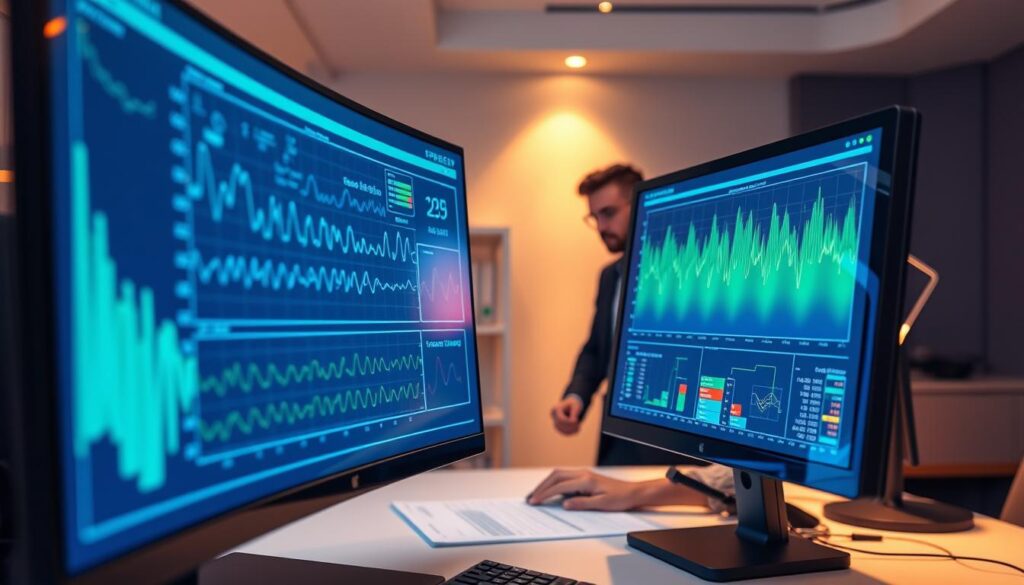
The latest advancements are in Artificial Intelligence (AI) and Machine Learning (ML). These technologies handle huge amounts of data better than humans. They find patterns in data that are hard for people to see.
The main advantage of AI is its ability to spot connections and signals that humans might miss. As it gets more data, AI gets better at making accurate decisions. This could mean fewer mistakes.
But, using ML in polygraphy is a topic of ongoing debate. Some worry about the need for huge, quality datasets to train AI. Others are concerned about the lack of clarity in some AI decisions. In serious cases, it’s important to understand why a decision was made.
In the end, the role of technology in polygraphy is most significant in software. From scoring to AI, software turns raw data into something we can understand. This change is setting a new standard for fairness in the field.
Real-Life Applications: Case Studies
Modern polygraph technology is used in many important situations. It’s not just for simple lie detection anymore. Now, it’s a key tool for checking someone’s honesty in serious situations.
In criminal cases, polygraph tests help check if witnesses are telling the truth. They also help figure out if suspects are lying. Studies show these tests are about 90% accurate when done right.
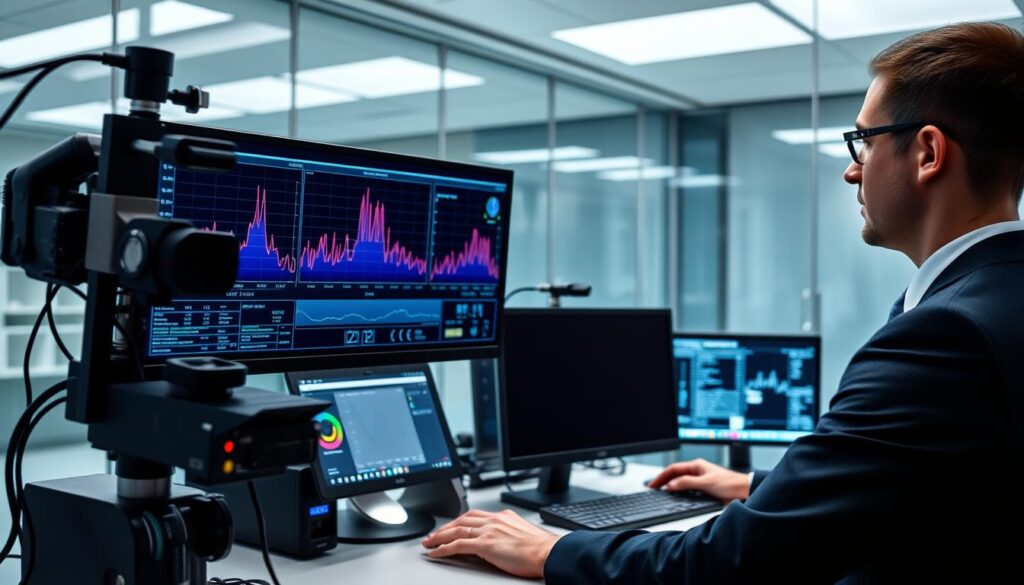
But polygraph tests are not just for police. Many industries use them to keep their secrets safe.
- Criminal Investigations: They help check alibis and confirm what victims say.
- Corporate Security: Companies use them to check new employees, mainly in finance and retail.
- Government Vetting: It’s a key part of getting security clearances for jobs in agencies like the FBI.
- Therapeutic Settings: Some therapists use them to see if patients are sticking to their treatment plans.
Every field uses better technology and data analysis to make sure the results are accurate. This helps everyone make better decisions.
Polygraph technology has changed the game in big legal cases. Two important U.S. Supreme Court cases show how the law has changed over time.
| Case Name | Year | Key Ruling | Impact on Polygraph Practice |
|---|---|---|---|
| Frye v. United States | 1923 | Set a rule for scientific evidence to be accepted. | At first, it said polygraph results couldn’t be used because it wasn’t widely accepted. |
| U.S. v. Scheffer | 1998 | Allowed a military rule that banned polygraph evidence. | It said polygraph evidence could be kept out, but it’s okay for use in some cases. |
The Frye case was skeptical of old technology. But Scheffer showed that with better tools, there’s a chance for them to be used. This shows how technology and law have both evolved.
Now, digital polygraphs help make big decisions before a case goes to court. They help prosecutors and HR departments make informed choices. The data from these tests is clear and helps guide these decisions.
These examples show how far polygraph technology has come. It’s now a key part of making important decisions in justice, security, and business.
Future Trends in Polygraph Testing
The future of polygraph testing looks bright, thanks to new technology. This tech will make tests more accurate and useful. It’s all about using technology to improve how we test.
Artificial intelligence and machine learning will get better. They will understand our body signals better. This means tests will be almost perfect.
New sensors will be added to polygraph tests. These sensors will watch our body heat, facial expressions, and voice. They will give more detailed information to those doing the tests.
Testing will soon be done from anywhere. This is thanks to digital platforms that are safe and reliable. It’s a big step forward for the field.
But, we must also think about ethics. We need to make sure these new tools are fair and transparent. This is a big challenge for the future.
Technology will keep pushing polygraph testing forward. But, it’s important to always check the science and ethics behind it. True progress comes from using new tools wisely and with careful thought.