
Polygraph Examination: What To Expect

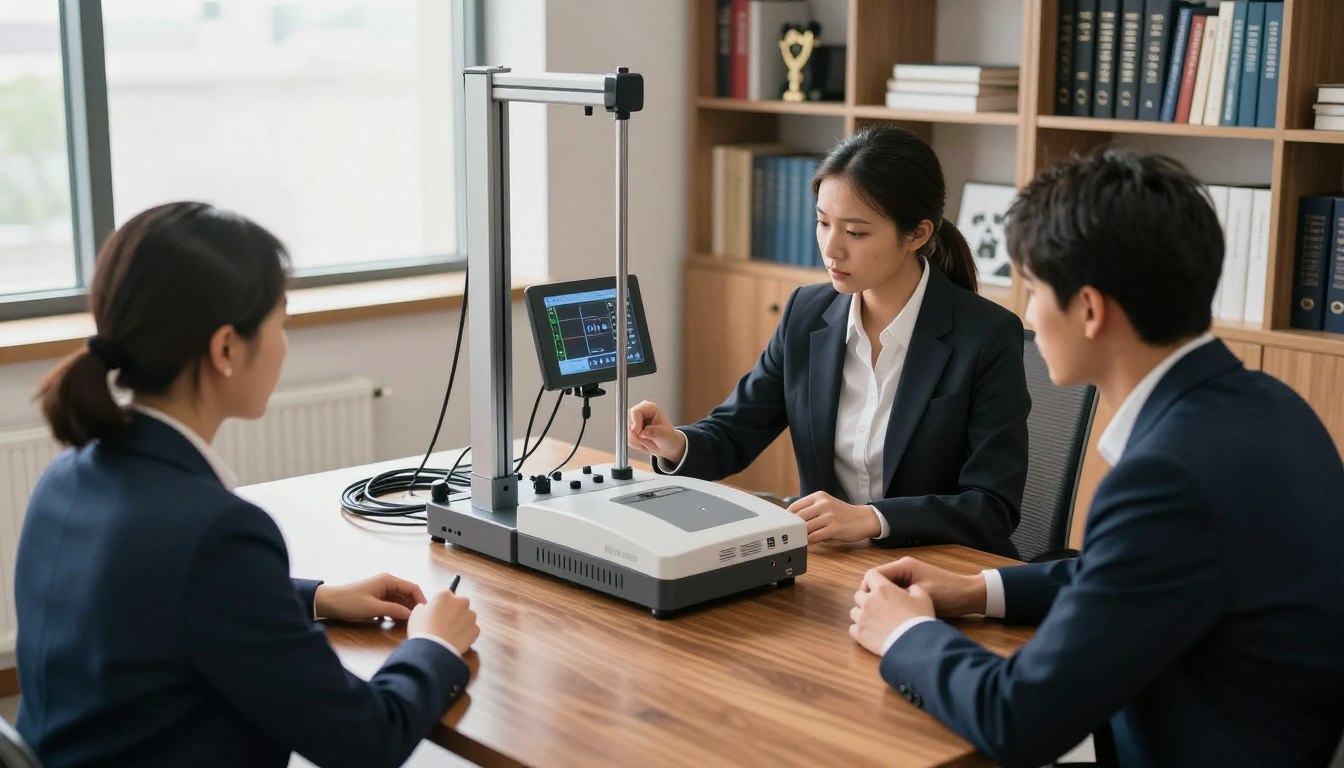
Polygraph examination process explained: pre-test interview, sensors, chart collection, post-test discussion, and practical limits.
Polygraph examination process explained: pre-test interview, sensors, chart collection, post-test discussion, and practical limits.

The polygraph has been a key tool in high-stakes settings for decades. The CIA has used it in screening procedures to check if candidates are truthful. Yet, the truth is, it’s not as simple as it seems. For those focusing on workplace security, it’s important to know what these devices can do. Deception detection is … Read moreEmbracing Limitations: Understanding What Polygraph Tests Can and Cannot Do

In the United States, about 2.5 million polygraph tests are done each year. This shows how important truth verification technology is in today’s security. Companies use these tests to keep their assets safe and make sure their employees are honest. But starting a polygraph program needs a good cost analysis. This helps make sure spending … Read moreEvaluating the ROI of Polygraph Testing in Your Organization

A polygraph can record several physiological channels continuously, yet an examination may still be compromised before a sensor is attached. Polygraph question wording determines what the examinee is being asked to recognize or deny, and a vague date, loaded accusation, or two-part question can create competing interpretations. That is why professional polygraph guidance should treat … Read moreThe Test Starts Before the Sensors: How One Bad Question Can Distort a Polygraph
Polygraph tests are key for law enforcement and spy agencies when they don’t have direct evidence. They use these tests to check for risks in secret places. But, no single method is perfect for today’s security needs. Using just one method can leave big holes in your investigation. To get a strong and reliable result, … Read moreComplementary Tools: Polygraph Tests and Other Verification Methods

The mix of forensic tech and human behavior is complex. As global teams grow, leaders face a big challenge. They must balance scientific tests with the diverse backgrounds of their workers. Research shows error rates, but leaders need to think carefully about how these tools affect people. They must consider the qualitative impact. Courts often … Read moreCultural Sensitivity in Polygraph Testing: How to Approach Diverse Workplaces

Polygraph testing is used in law enforcement, government, and the private sector. It helps keep things honest but makes employees nervous. Transparency is key when talking about it to make sure everyone gets it. Creating a strong communication strategy is important. It helps set clear rules from the beginning. By talking about concerns early, companies … Read moreHow to Communicate Polygraph Testing to Employees

Before starting with lie detector tests, check the law. The Employee Polygraph Protection Act (EPPA) of 1988 has rules. It mainly stops private employers from using these tests. But, there are exceptions. Government jobs, security, and some theft cases are okay. California has its own strict rules. Understanding these laws is the first step in … Read moreIntegrating Polygraph Testing into HR Policies and Practices

Workplace disputes cost American businesses billions of dollars each year. These issues include theft, sabotage, harassment, and wrongful termination claims. Finding the truth fast is key to protecting your company’s culture and profits. When evidence is hard to find or testimonies disagree, a polygraph test can be a game-changer. It helps verify the truth in … Read moreLearn from the Best: Case Studies of Polygraph Use in Resolving Workplace Disputes

The lie detector test has changed a lot from its old image. Now, technology plays a big role in it. It has changed how we collect data and analyze it. Back in 1921, John A. Larson created a machine that was a big deal. Leonarde Keeler later added something new. These early machines were the … Read moreHow Technology Enhances the Polygraph Testing Process