
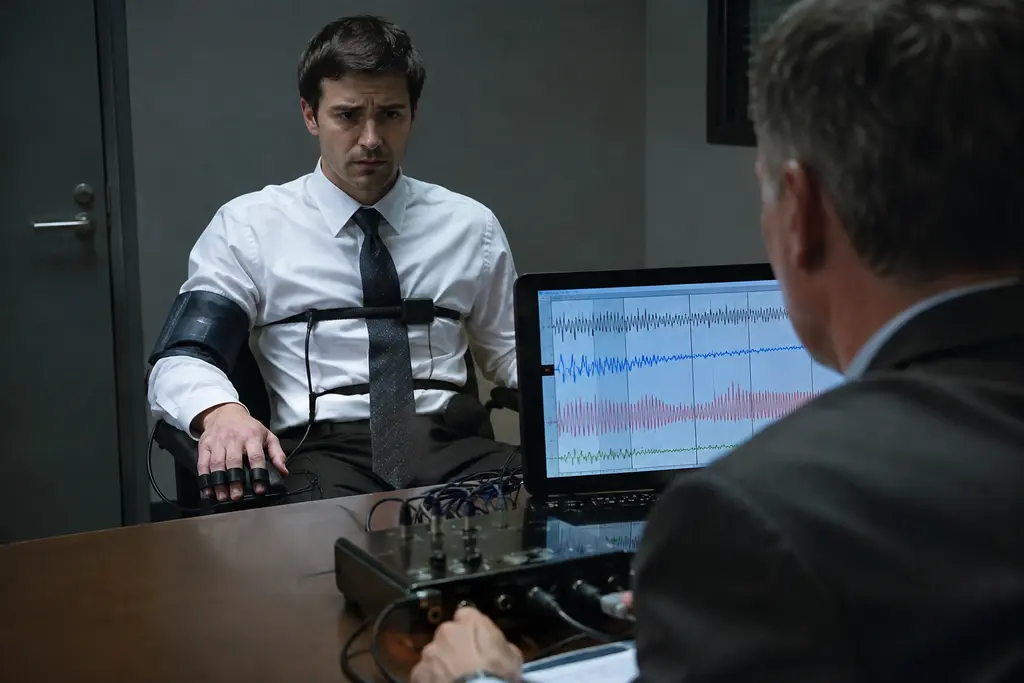
Workplace polygraph ethics became harder to treat as a narrow technical issue after the 2026 reports involving senior government staff, leak inquiries, and alternative deception-detection research. The practical question is not whether a polygraph can ever provide useful information. It is whether the testing program is fair, limited, private, scientifically defensible, and used as one part of a wider evidence review.
That distinction matters for employers, agencies, investigators, and HR teams. A test that is administered without clear scope, careful record handling, and independent review can damage trust even when the organization’s stated goal is to protect trust. Polygraph programs should therefore be judged not only by the instrument used, but by the rules around consent, examiner conduct, documentation, interpretation, and follow-up.
Workplace Polygraph Ethics After Recent Cases
Why Recent Events Changed The Discussion
On September 4, 2026, The New York Times reported that about 50 members of the U.S. military’s Joint Staff had been given polygraph tests in August as part of a leak inquiry, with questions addressing possible disclosure of classified information and stories about depleted munitions stockpiles reported by The New York Times. The reported scale and seniority of the testing made the episode useful for workplace integrity analysis, even for organizations far outside national security.
High-trust workplaces often face a dilemma after sensitive information is disclosed. Leaders may want a rapid tool that signals seriousness, deters future disclosure, and narrows the field of inquiry. Yet the same tool can produce fear, resentment, or defensive silence if staff believe testing is being used as a loyalty exercise rather than a disciplined investigative step.
The Difference Between Inquiry And Pressure
A polygraph examination can support an inquiry only when the purpose is specific and the result is interpreted cautiously. It should not become a substitute for document review, access-log analysis, witness interviews, policy review, or evidence preservation. The more people tested, the more attention should be given to necessity. Broad testing may look decisive, but it can also suggest that the organization lacks stronger evidence.
For sensitive workplaces, workplace polygraph ethics should begin with a written reason for testing: what incident is being investigated, why the examinee is within scope, what questions are relevant, who will receive results, and what decisions can or cannot be made from the outcome. Without those controls, the process risks shifting from evidence gathering to institutional pressure.
What The Pentagon Testing Showed
Scale, Purpose, And Workplace Trust
The reported August 2026 Joint Staff testing illustrated a trust problem common to many organizations, although the national-security setting was unusually high-stakes. When leadership suspects unauthorized disclosure, the organization may feel that internal trust has already been breached. A polygraph program can then be framed as a repair measure. In practice, it can also deepen the breach if employees or officials see the process as overbroad, opaque, or punitive.
The ethical issue is not limited to whether any one person passed, failed, or received an inconclusive result. The larger issue is whether the testing process preserved dignity and procedural fairness. That includes advance notice where appropriate, neutral administration, limited questions, proper records handling, and restraint in communicating results.
The Risk Of Treating A Test As A Verdict
Polygraph results are better understood as investigative information than as a verdict. They may point investigators toward areas needing clarification, but they should not carry more weight than the context allows. A result can be affected by the examinee’s physiology, anxiety, misunderstanding of a question, medical factors, examiner quality, question design, and the structure of the testing format.
That is why the workplace decision following a polygraph should be documented separately from the test result itself. Decision-makers should identify all evidence considered, explain what the polygraph added, and state whether independent evidence confirmed or contradicted the concern. If a person’s role, clearance, reputation, or career is at stake, a thin explanation is not enough.
Accuracy Claims And Method Choice
Workplace Polygraph Ethics And Test Selection
Accuracy claims deserve careful reading. A study published in 2026 compared eye-tracking based deception detection with standard polygraph methods under identical conditions and reported 94.9% accuracy for the eye-tracking method and 88.2% for polygraphs, excluding five recordings where the expert could not render a decision according to PubMed. That finding does not prove that eye-tracking is always superior in every workplace setting, but it does raise a practical standard: organizations should be able to explain why the chosen method fits the task.
If newer or alternative methods appear promising, employers and agencies should not adopt them merely because they sound more modern. They should ask the same questions they ask of polygraph testing: What population was studied? Was the method tested under conditions similar to the workplace problem? How are inconclusive or no-decision results handled? What qualifications are required? What privacy risks are created by the collected data?
Why No-Decision Outcomes Matter
Ethical testing programs must plan for results that do not fit a simple pass-or-fail model. A no-decision, inconclusive, or technically insufficient result should not be treated as proof of deception. It may indicate that the test did not produce interpretable data. The correct response may be further investigation, a retest under controlled conditions, or no adverse action absent other evidence.
A practical workplace polygraph ethics framework should require decision-makers to state in advance how each category of result will be used. If the organization cannot explain the effect of an inconclusive result before the examination, it is not ready to test.
Ethical Controls For Employers And Agencies

Consent, Notice, And Scope
Ethical controls start before the examinee enters the room. The person should understand the general purpose of the examination, the subject matter of the relevant questions, the voluntary or mandatory nature of participation under the applicable policy, and how results may be used. Private employers should be especially cautious because legal limits differ from government and security settings. This article is not legal advice; counsel should review any proposed testing program before it is used.
Organizations also need to separate hiring, workplace discipline, and investigative decisions. A recruitment team may need integrity checks for sensitive roles, while investigators may need fact-finding tools after a specific incident. Those are not the same function. Organizations that use outside hiring support, including related networks such as Alliance Recruitment, should keep assessment criteria, consent forms, and investigative procedures distinct.
Contractor Oversight And Record Handling
The research supplied for this topic included recent allegations involving examiner conduct and disputed public handling of polygraph-related information. Those reports reinforce a process lesson: outsourcing does not transfer ethical responsibility away from the employer or agency. If a contractor administers examinations, the client still needs qualification checks, written scope, audit rights, secure record procedures, and a clear rule for correcting errors.
Record handling is especially sensitive. A polygraph result can affect reputation even when the underlying evidence remains uncertain. Access should be limited to people with a genuine need to know, and public disclosure should be avoided unless a lawful process clearly requires it. For a related discussion of limits, consent, and trust, see this analysis of ethical polygraph services.
- Define the incident or risk before selecting any testing method.
- Use qualified examiners and document their role, scope, and independence.
- Prohibit adverse action based only on an unclear or unsupported result.
- Restrict access to results and related security or personnel records.
- Review whether less intrusive methods can answer the same question.
Practical Standards For Workplace Polygraph Ethics
For HR and security teams, workplace polygraph ethics should be measured by whether the process would still appear fair if reviewed months later by an employee, an auditor, a court, or the public. That review should not depend on trust in one examiner or one leader. It should rest on written rules, clear evidence thresholds, and a record showing that the organization considered limits as well as goals.
A defensible policy should require a specific investigative purpose, trained administration, informed participation, secure recordkeeping, and a rule that no result stands alone. It should also require post-test review. If the result conflicts with other evidence, leaders should not simply choose the answer that supports the preferred outcome. They should ask whether the question was valid, whether the evidence base is complete, and whether a less harmful explanation remains plausible.
Recent cases and research did not make polygraph testing useless. They did make careless use harder to defend. A workplace that uses polygraphs ethically treats them as limited investigative tools, not instruments of certainty. That approach protects the organization’s integrity while also protecting the people whose trust the organization depends on.