
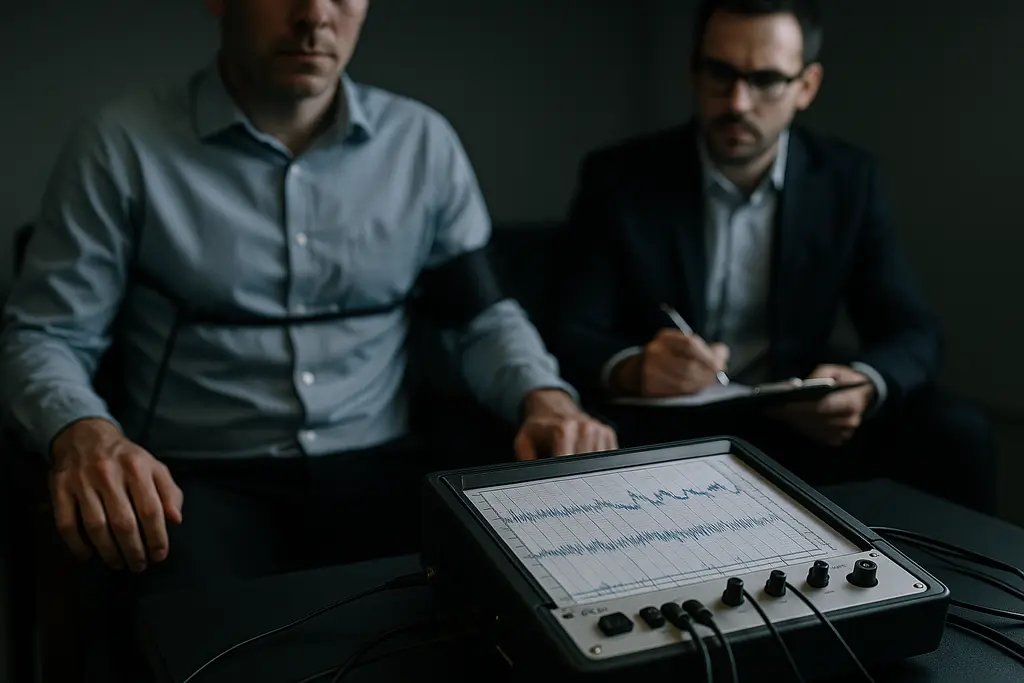
Ethical polygraph services can support workplace integrity only when they are used with legal caution, clear communication, and realistic expectations about what a test can and cannot show. A polygraph is commonly described as a lie detector test, but workplace decisions should never treat the result as a complete substitute for documents, interviews, policy review, or professional judgment.
For employers, the central issue is not whether polygraph testing feels direct or efficient. The stronger question is whether the process is fair, lawful, proportionate, and transparent enough to withstand scrutiny. That means defining the purpose of the examination, limiting questions to relevant matters, protecting privacy, and explaining how the result will be weighed with other evidence.
How Ethical Polygraph Services Fit Workplace Integrity
Ethical Polygraph Services Start With A Defined Question
Ethical polygraph services should begin with a narrow workplace question, not a general search for character flaws. In an internal investigation, the purpose might involve a specific allegation, a loss event, or a conflict between accounts. In a regulated or security-sensitive setting, the purpose may differ. In either case, the employer should be able to explain why the test is being considered and why less intrusive options may not be enough.
This matters because workplace integrity is built through consistent systems, not a single examination. Policies, reporting channels, supervisory controls, documentation, and fair investigation practices all shape employee trust. A polygraph may complement those systems in limited circumstances, but it should not become the whole integrity program.
Where Workplace Use Has Been Documented
Historical use shows why caution is needed. A 1985 report stated that more than one million polygraph tests were estimated to be administered each year in the United States, mainly for pre-employment screening and internal investigations, according to The Washington Post. That history helps explain why workplace polygraph use drew legal, ethical, and scientific attention.
The research record also notes federal use in security contexts and private-sector use in narrower workplace settings. Those settings are not interchangeable. A defense-related screening process, a private employer’s theft investigation, and a pre-employment integrity check raise different legal and ethical questions. Treating them as the same can lead to poor policy decisions.
Ethics Depends On Lawful Purpose And Communication
Legal Limits Are Part Of Ethical Practice
In the United States, the Employee Polygraph Protection Act of 1988 is described in the supplied research as prohibiting most private employers from using polygraph tests for pre-employment screening or during employment, with exceptions for certain industries and circumstances. This article is not legal advice. Employers considering testing should review applicable law with qualified counsel before making any request to an applicant or employee.
Legal compliance is only the starting point. Even where a test is permitted, ethical use requires voluntary and informed participation, a clear explanation of the process, and limits on how information will be stored, shared, and interpreted. For a related discussion of consent, confidentiality, competence, and fair reporting, see this article on polygraph ethics.
Communication Reduces Avoidable Distrust
Workplace testing can create anxiety even when the employer has a legitimate concern. Employees may worry that the result will be treated as certain, that private matters will be explored, or that refusal will be viewed as guilt. Clear communication does not remove every concern, but it can reduce confusion about the purpose, scope, timing, and possible use of the examination.
A 1986 study reported no significant differences in job-applicant attitudes toward employers before and after a pre-employment polygraph examination, based on the Office of Justice Programs abstract. That finding should be read carefully. It does not prove that every workplace test is accepted by employees, nor does it remove privacy or accuracy concerns. It does suggest that employee reaction depends on context and process, not only on the existence of a test.
For employers preparing internal messaging, practical guidance on communicating polygraph testing can help keep explanations factual rather than threatening.
Evidence Quality Should Set The Weight Of A Result
Accuracy Claims Require Caution
The supplied research describes disputed accuracy claims. It reports that some professional claims place polygraph accuracy higher, while independent review material has questioned the scientific basis and raised concerns about lower accuracy in some contexts. The practical lesson is straightforward: no employer should treat a polygraph result as a mechanical finding of truth or deception.
False positives are a serious ethical concern because a truthful employee may be incorrectly identified as deceptive. False negatives create a different risk: misconduct may be missed. Both risks argue for a disciplined evidence model in which a test result is one item among several, rather than the decisive fact.
| Evidence Issue | Practical Risk | Ethical Response |
|---|---|---|
| Contested accuracy | Overconfidence in a single result | Use the result with other evidence |
| Privacy concerns | Questions exceed the workplace issue | Limit scope before the examination |
| False positives | Unfair suspicion of a truthful employee | Avoid automatic discipline |
| Poor communication | Employee fear or distrust | Explain purpose, limits, and process |
Documentation Should Match The Decision Risk
Documentation is where fairness becomes visible. An employer should be able to show why the examination was considered, what workplace issue it addressed, what limits were placed on the process, who had access to the result, and what other evidence was reviewed. This record helps prevent the test from becoming a shortcut around ordinary investigation standards.
Ethical polygraph services are strongest when the report is clear about limits. A cautious report does not overstate certainty, does not claim to read a person’s mind, and does not recommend discipline as though the test alone decides the matter. The employer remains responsible for the employment decision.
Employee Trust Requires More Than A Test

Integrity Programs Need Consistent Signals
Trust grows from patterns. Employees notice whether rules apply consistently, whether complaints are handled fairly, whether leaders protect confidentiality, and whether investigations avoid public shaming. A polygraph process that ignores these conditions may damage the same trust it is meant to protect.
Organizations outside the workplace face similar questions about trust, process, and community standards. Readers interested in exploring similar governance and community standards may want to visit a related community site in the same network.
Alternatives And Complements Should Be Considered
The supplied research notes that, after the EPPA, paper-and-pencil integrity and personality tests increased as alternatives to polygraph testing, though their validity and ethical implications are also debated. That point matters because replacing one imperfect tool with another does not remove the duty to assess fairness, relevance, and privacy.
- Use policy review and document analysis before any intrusive testing is considered.
- Separate fact gathering from disciplinary judgment where possible.
- Limit access to sensitive examination information.
- Give employees a clear explanation of the process and the limits of the result.
- Review whether the same standard is applied across comparable cases.
These steps do not guarantee agreement among all parties. They do create a more defensible process and reduce the risk that testing appears arbitrary or punitive.
Practical Standards For Ethical Polygraph Services
Documentation Standards For Ethical Polygraph Services
A practical standard for ethical polygraph services is simple to state and harder to apply: use the least intrusive process that can reasonably address the workplace issue, then weigh the result in proportion to its reliability. That standard respects the employer’s interest in integrity while recognizing employee privacy, legal limits, and the risk of error.
Before approving any workplace examination, decision-makers should ask whether the test is legally permitted, whether the employee has received a clear explanation, whether the questions are limited to the relevant issue, whether the examiner is qualified, and whether the result will be reviewed with other evidence. If the answer to any of those questions is uncertain, the process needs more work before testing proceeds.
Used carefully, ethical polygraph services can be one part of a workplace integrity system. Used carelessly, they can create avoidable risk. The difference lies in restraint, transparency, and a refusal to treat any single method as a substitute for fair judgment.