
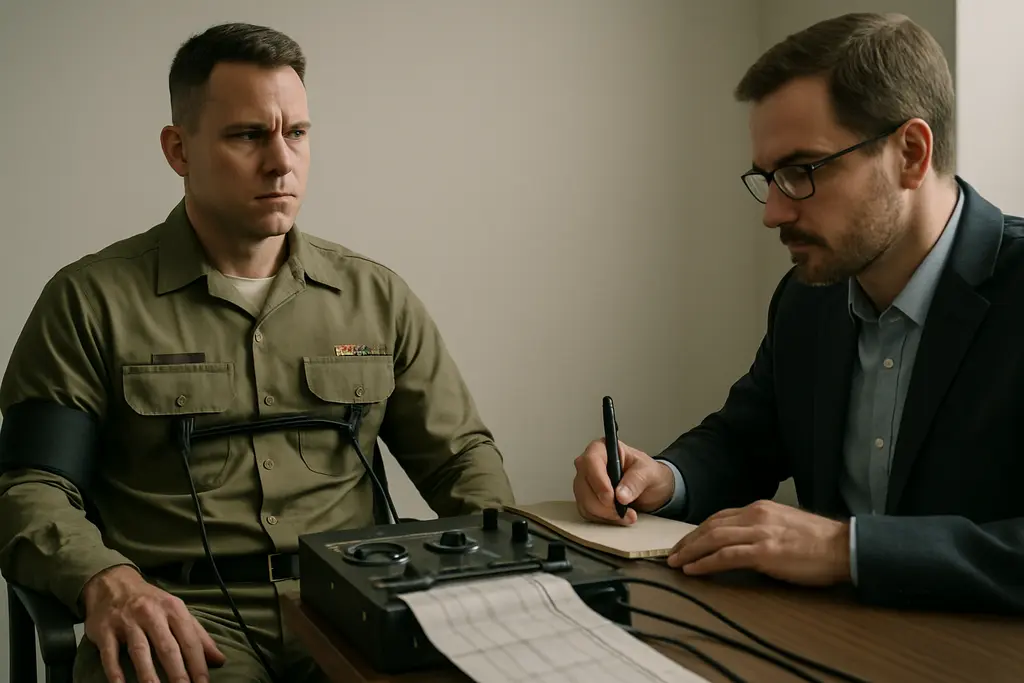
Pentagon Polygraph Testing became a prominent workplace integrity issue after the August 2026 leak inquiry involving members of the U.S. military’s Joint Staff. As a compliance matter, the episode is useful not because it proves that polygraphs can answer every credibility question, but because it shows how testing, policy, employee trust, and classified-information controls can collide under pressure.
The reported facts point to a sensitive investigation with real institutional stakes. According to reporting on September 4, 2026, roughly 50 officers and civilian employees on the Joint Staff were given polygraph examinations as investigators examined whether classified information had been leaked to journalists, including information concerning U.S. munitions shortages linked to the war with Iran. The same reporting described the Joint Staff as a body of about 1,500 to 2,000 people, which made the scale and seniority of the testing noteworthy New York Times reporting.
What Pentagon Polygraph Testing Showed
Pentagon Polygraph Testing Facts From August 2026
The August 2026 operation was not a routine workplace screening exercise. It arose from a leak investigation tied to reports about depleted stocks of key weapons, including long-range precision missiles and Patriot interceptor missiles. That context matters. A polygraph used in a classified leak inquiry carries a different risk profile than a private employer’s internal review of theft, harassment, or policy breaches.
For compliance purposes, Pentagon Polygraph Testing should be read as an example of an investigative tool used inside a national-security setting, not as a template that can be copied into ordinary employment practice. Military and intelligence environments operate under policies, duties, and security obligations that differ from civilian workplaces. Leaders outside that setting should review applicable law, workplace agreements, and counsel guidance before considering any similar method.
What The Reported Inquiry Targeted
The central question was whether classified information had moved from internal government channels to journalists. That is narrower than asking whether an employee is generally trustworthy. A well-scoped inquiry matters because broad, vague questioning can damage confidence in the process and create disputes about fairness.
The Pentagon episode also showed how polygraph testing can become a visible signal of institutional seriousness. A spokesman stated publicly that the Department did not comment on internal personnel or investigative matters, while emphasizing that leak investigations were taken extremely seriously and handled under department policy. Even without public detail on individual results, the decision to test senior-level personnel communicated that the leak issue had been treated as a high-priority integrity concern.
Why Scale And Seniority Matter
A Senior-Level Integrity Signal
Testing roughly 50 people from a Joint Staff population reported at about 1,500 to 2,000 is meaningful because of who was involved. The research described the testing as unusual in both scale and seniority. Former Navy judge advocate Rear Adm. Donald J. Guter was reported as calling the operation “unprecedented” in the modern military.
That description should make workplace leaders cautious. A large or senior testing program can suggest determination, but it can also raise questions about morale, trust, and whether people believe the process is fair. In sensitive organizations, the integrity benefit of a visible investigation has to be weighed against the risk that employees view the process as overbroad or as a substitute for stronger evidence.
The 2025 Proposal As Background
The August 2026 tests also followed earlier reporting about broader Pentagon plans. On October 1, 2025, reporting described draft measures that included mandatory nondisclosure agreements and random polygraph testing for more than 5,000 personnel across the Office of the Defense Secretary and Joint Staff Washington Post report. That earlier proposal was broader than the August 2026 testing described in the research, and it helps explain why the later operation attracted attention.
| Integrity Question | What The Pentagon Episode Shows | Compliance Caution |
|---|---|---|
| Scope | The inquiry focused on alleged leaks of classified information. | Questions should stay tied to the legitimate purpose of the inquiry. |
| Scale | Roughly 50 Joint Staff members were reportedly tested. | Larger programs can create trust and fairness concerns. |
| Seniority | The testing reached senior military and civilian personnel. | Rank does not remove the need for consistent process. |
| Communication | The Department publicly emphasized policy and seriousness. | Organizations should explain process without exposing confidential details. |
How Pentagon Polygraph Testing Affects Trust
Polygraph Results Are Not A Standalone Integrity System
Polygraph testing can support an investigation, but it should not be treated as a complete integrity program. The stronger approach is to use it, where lawful and appropriate, alongside document review, access logs, witness interviews, classification controls, and clear reporting channels. A test result may influence investigative direction, but the decision to accuse, clear, discipline, or prosecute someone demands a broader evidentiary record.
Pentagon Polygraph Testing may signal that leadership is responding to serious leaks, yet the same signal can reduce confidence if employees do not understand the rules. People subject to testing need to know the authority for the examination, the general topic being examined, how results will be handled, and whether the process is part of a wider evidence review. That is not only a fairness concern; it is a practical way to protect the reliability of the investigation.
Trust Requires More Than Deterrence
Leak prevention often relies on deterrence, but deterrence alone is a weak foundation for workplace integrity. People are more likely to accept sensitive controls when rules are clear, access is limited by need, and enforcement is consistent. If testing appears selective or unexplained, employees may focus less on protecting information and more on whether leadership is acting fairly.
For military and defense settings, the stakes include classified information, mission confidence, and public accountability. For civilian employers, the stakes may involve trade secrets, safety data, client records, or financial controls. In either setting, the same principle applies: a polygraph policy should never be the only line of defense.
Workplace Lessons For Sensitive Roles

Practical Safeguards Before Testing
Organizations considering polygraph services in sensitive roles should start with policy design, not with the examination itself. A sound process defines who can authorize testing, what issues may be examined, how consent is handled, how records are protected, and how results are weighed against other evidence. Public-facing communication resources, including Talk and Play, can be a useful reminder that trust often depends on plain language, not only formal rules.
- Limit testing to specific, documented concerns rather than general suspicion.
- Separate investigative findings from employment decisions until other evidence is reviewed.
- Use qualified examiners and written procedures approved before the inquiry begins.
- Explain confidentiality limits and result handling in advance.
- Document why testing was considered necessary and proportionate.
These safeguards do not guarantee agreement or eliminate legal risk. They do, however, create a clearer record of why the organization acted, what limits it recognized, and how it tried to protect both integrity and fairness. For a related discussion of consent, relevance, counsel, oversight, and documentation, see this analysis of polygraph transparency in military practice.
What Civilian Employers Should Not Copy Blindly
A military leak investigation is a poor model for a routine private workplace dispute. Civilian employers operate under different rules, and many jurisdictions restrict or regulate employee polygraph use. Even where testing may be available, the employer should avoid using it as a shortcut for weak supervision, unclear information controls, or poor incident documentation.
The safer lesson is procedural. Define the integrity risk first. Preserve evidence early. Keep the inquiry narrow. Communicate the process without prejudging the person being examined. Treat the result as one piece of information rather than as a verdict. That is the difference between using a tool and allowing the tool to control the investigation.
Military Integrity After The Pentagon Leak Tests
The August 2026 Pentagon leak inquiry showed why polygraph testing remains both useful and contested in high-security environments. It can demonstrate seriousness, help focus questions, and support a broader inquiry into unauthorized disclosures. It can also strain trust if people see it as too broad, too opaque, or disconnected from other evidence.
The practical lesson is not that every sensitive organization should expand testing. The lesson is that integrity programs need clear authority, narrow purpose, documented procedures, and honest communication about limits. In military settings, that protects classified information and command confidence. In workplace settings, it helps leaders act firmly without overstating what any single investigative method can prove.