
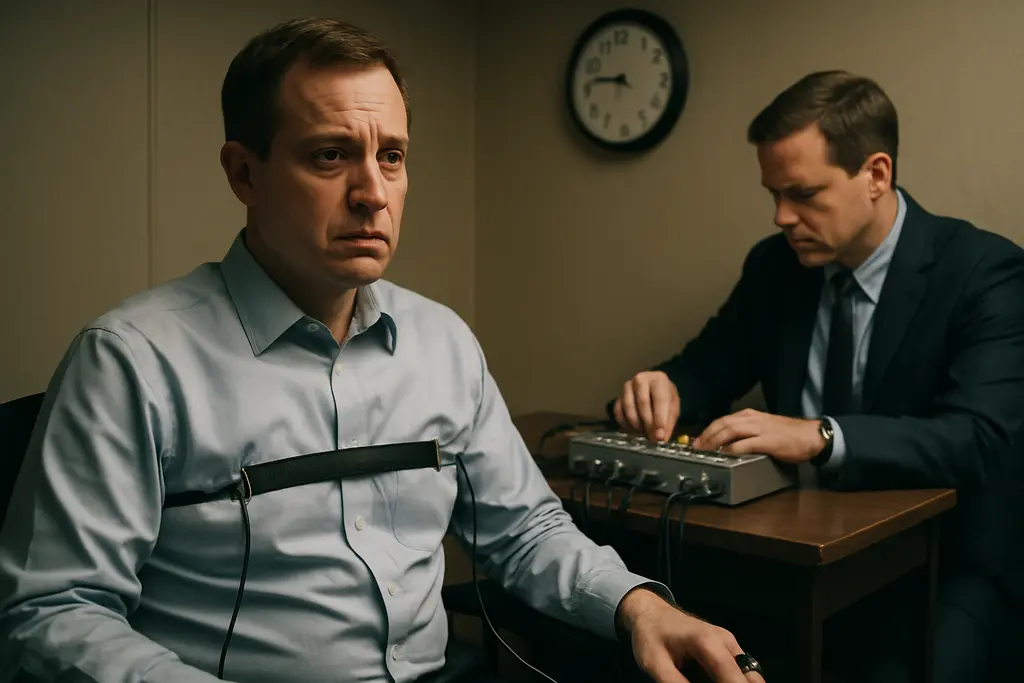
Pentagon Polygraph Testing moved from an internal security tool to a workplace-integrity flashpoint after reported leak investigations reached senior military and civilian personnel in 2026. The core issue is not whether an agency may investigate unauthorized disclosures. It is whether the method, scale, communication, and follow-up preserve trust among employees who already work in a high-pressure information environment.
In August 2026, about 50 Joint Staff members, including military officers and civilians, were reportedly given polygraph examinations as part of a leak inquiry involving media reports about low U.S. stocks of long-range missiles and Patriot interceptors. The New York Times reported that the questions focused on whether officials had disclosed classified information to the media about diminishing munitions stocks or sensitive operations, and described the probe as unusual in its reach into senior military ranks reported polygraph inquiry.
What Pentagon Polygraph Testing Showed About Scope
Pentagon Polygraph Testing Was Used In A Leak Inquiry
The reported examinations were tied to a specific investigative purpose: identifying possible unauthorized disclosures to reporters. That distinction matters. A focused inquiry can be assessed against the information at issue, the people with access, and the questions asked. A broad screening program, by contrast, can create a different workplace signal: that many employees are treated as potential suspects before individualized evidence is clear.
The Washington Post reported in October 2025 that proposed policies would have required more than 5,000 Pentagon headquarters personnel, including military, civilian, and contract workers on the Joint Staff and in the Office of the Secretary of Defense, to sign nondisclosure agreements and undergo random polygraph testing reported NDA and testing proposal. That earlier proposal helps explain why the August 2026 examinations drew concern: employees may interpret an individual investigation through the lens of a larger policy direction.
Scale Changes The Employee Message
A small, well-documented examination process can still be stressful, but employees may understand it as part of a defined inquiry. A larger or recurring testing program sends a broader cultural message. It can suggest that ordinary access to information is itself grounds for suspicion, especially if employees are not told how subjects are selected, what topics are outside the examination, and how results will be used.
The immediate workplace risk from Pentagon Polygraph Testing is not limited to the test session. It can affect whether staff feel comfortable sharing internal concerns, correcting errors, documenting disagreement, or asking clarifying questions about classified information. In sensitive agencies, silence can be mistaken for discipline. In practice, silence can also weaken internal reporting channels if employees fear that routine professional communication may later be viewed suspiciously.
Why Employee Trust Becomes The Central Issue
Trust Depends On Boundaries, Not Reassurance Alone
Employees rarely judge integrity systems only by stated purpose. They also judge selection criteria, tone, follow-up, and whether leaders apply the same standards to comparable conduct. If testing is described as a security necessity but appears unpredictable, employees may see the process as a loyalty screen rather than a fact-finding tool.
The New York Times account stated that officials and analysts inside the Pentagon described an atmosphere of deep distrust and paranoia. That wording should be treated carefully because it reflects reported internal perceptions, not a measured morale survey. Still, perception is operationally relevant. A workplace can have lawful authority, formal policies, and serious security concerns while still damaging trust if employees experience the process as opaque or punitive.
For organizations outside the defense setting, the lesson is narrower but useful. Any integrity tool should be matched to a defined risk, documented in advance, and supported by other evidence. A related discussion of polygraph workplace integrity explains why testing is strongest when it complements policy, reporting channels, and corroborating records rather than standing alone.
Leak Investigations Require Careful Communication
Communication does not mean revealing investigative details that would compromise the inquiry. It means giving employees enough procedural clarity to understand the boundaries. That includes who may be asked to participate, what the general subject matter is, whether participation is voluntary or required under applicable rules, who will see the results, and what safeguards exist against irrelevant questioning.
Clear written instructions matter in any integrity process. Organizations sometimes rely on outside drafting or editing resources, including related sites such as Top Ten Writing Services, but investigative policies still need review by qualified subject-matter professionals. A well-written policy cannot fix an overbroad process, but poor writing can make a defensible process appear arbitrary.
Polygraph Limits In Workplace Integrity Decisions
A Polygraph Is Information, Not A Verdict
Polygraph examinations record physiological responses associated with respiration, cardiovascular activity, and electrodermal activity. The result may assist an investigation, but it should not be treated as a direct reading of truth. Workplace decisions become more defensible when polygraph information is weighed with access records, document controls, witness accounts, audit trails, classification procedures, and the subject’s opportunity to respond.
That caution is especially relevant in leak investigations because the universe of possible explanations can be wide. A media report may draw from multiple sources, prior documents, independent analysis, or authorized background conversations. A narrowly framed examination may help test a specific disclosure question, but it cannot replace the broader investigative task of identifying who had access, what information was actually classified or sensitive, and whether any disclosure violated applicable rules.
Employee Rights And Expectations Vary By Setting
Federal, military, civilian, contractor, and private-sector workplaces do not operate under identical rules. This article does not provide legal advice, and any organization considering testing should obtain guidance specific to its jurisdiction, workforce, and mission. From a compliance perspective, the practical question is often simpler: would the process still look fair if reviewed later by employees, supervisors, investigators, counsel, or oversight bodies?
- Define the investigative purpose before any examination is scheduled.
- Limit questions to the relevant issue and avoid unnecessary personal inquiry.
- Explain how results will be stored, shared, and weighed with other evidence.
- Use qualified examiners and consistent procedures.
- Give employees a clear channel for procedural questions or objections.
What Responsible Leaders Should Take From The Pentagon Case

Security Measures Can Create Secondary Risk
For agencies, Pentagon Polygraph Testing shows how a security response can create its own integrity risk if staff believe the process is designed to intimidate rather than clarify facts. That does not mean leak inquiries should be avoided. Unauthorized disclosures of classified or sensitive information can cause serious harm. The point is that the response should not weaken the internal trust needed for lawful reporting, candid advice, and accurate recordkeeping.
Leaders should be especially cautious about mixing investigative actions with unrelated personnel disputes, promotion concerns, or public messaging. The research record notes that Defense Secretary Pete Hegseth was central to the leak investigations and that sources described blocked or delayed promotions for numerous senior officials during his tenure. Without speculating about motives, combining high-stakes testing with contested personnel actions can make employees doubt whether the process is neutral.
Procedural Fairness Is A Practical Control
Procedural fairness is not a soft substitute for security. It is a control that protects the investigation. If employees understand the boundaries, they are less likely to fill gaps with rumor. If managers document why a person was selected, they are better prepared to answer later questions. If results are treated as one piece of evidence, decision-makers are less likely to overstate what the examination can prove.
Organizations that use polygraph services responsibly tend to focus on fit: the right case, the right questions, the right examiner, the right documentation, and the right limits. That approach does not promise perfect accuracy. It does reduce the chance that the process itself becomes the central workplace grievance.
Pentagon Polygraph Testing Lessons For Employee Trust
Pentagon Polygraph Testing in the 2026 leak investigations offers a practical lesson for any institution that handles sensitive information: trust is not preserved by authority alone. It is preserved by clear scope, consistent procedures, careful communication, and restraint in how results are interpreted.
A polygraph examination may have a place in a defined investigation, particularly where access to sensitive information is limited and the questions can be framed with precision. It becomes more difficult to defend when employees cannot tell whether the purpose is fact-finding, deterrence, discipline, or loyalty assessment. That uncertainty can reduce cooperation even among people who have done nothing wrong.
The strongest workplace-integrity systems do not ask employees to accept certainty where none exists. They acknowledge the limits of the method, protect legitimate security interests, and keep the decision process anchored in evidence. In sensitive workplaces, that discipline is not only fairer to employees. It also gives leaders a better chance of finding the facts without damaging the trust needed to act on them.