
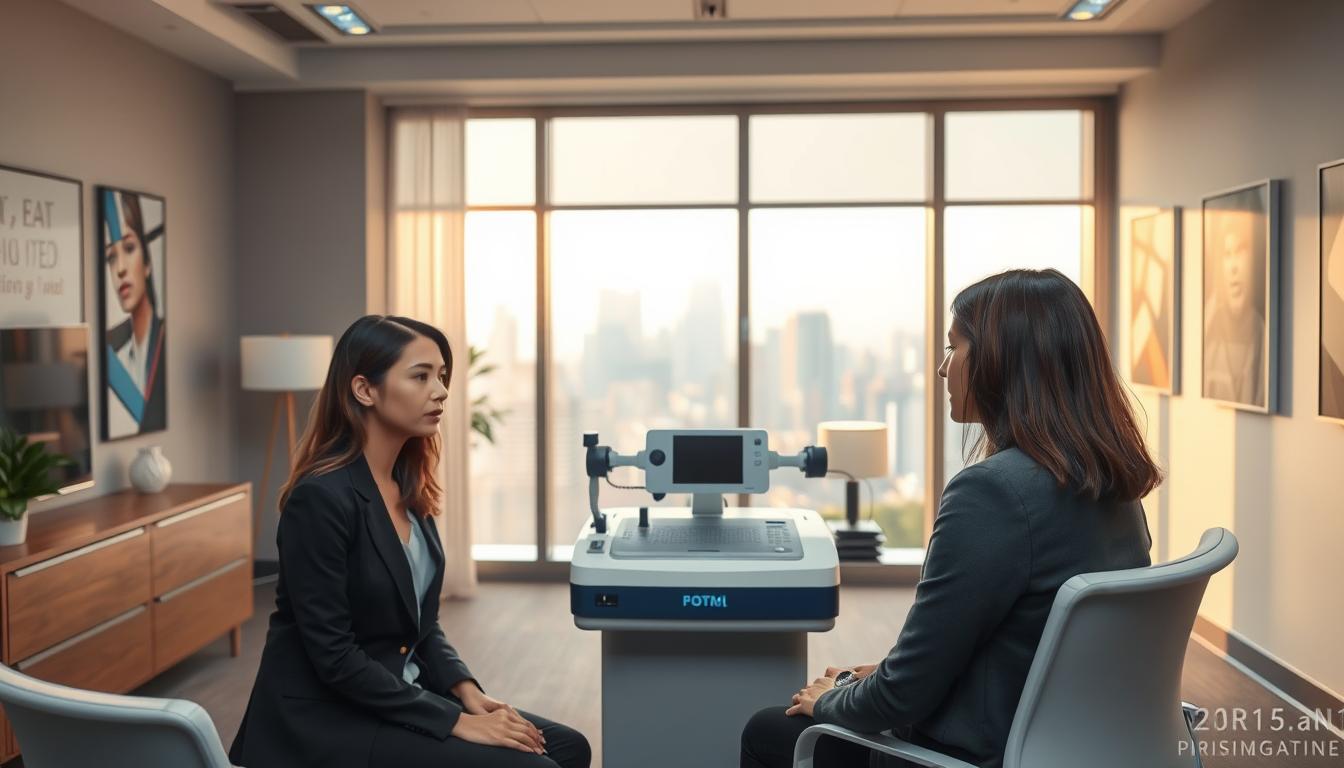
Imagine your HR department turning into a Cold War spy movie scene. Wires, sensors, and that famous question – “Are you now or have you ever been?” But don’t worry, it’s not about workplace McCarthyism.
The Employee Polygraph Protection Act of 1988 made these tests rare. Yet, some industries, like security firms guarding nuclear facilities, use them. They also include companies handling huge amounts of cash.
Why such strict scrutiny? When dealing with national security or huge financial assets, finding the right candidate is critical. It’s about avoiding big mistakes.
This isn’t just about catching small lies on resumes. It’s about creating a barrier that makes dishonest applicants hesitate. The modern pre-employment screening process uses the polygraph as a high-stakes filter.
Think of it as the ultimate background check. It’s not just about what you’ve done. It’s about what you might do when no one’s watching.
Step-By-Step Process
Ever wondered how lie detection for hiring works? It’s not like the Matrix, but more like a scientific speed date with your body. It starts 48 hours before, when you get a sneak peek at your questions. No surprise quizzes here.
On test day, you’ll meet your examiner. They’re a mix of scientist and therapist, all professional. They’ll help you get set up with the patience of a golf caddy.
The equipment might look scary, but it’s just checking your honest reactions.
The questioning follows a clear pattern:
- 5-7 pre-reviewed questions maximum
- Simple yes/no responses required
- Multiple rounds for consistency checking
- Standardized scoring methodology
Examiners aren’t looking for perfect answers. They’re checking for patterns in your body’s reactions. Your heart rate, breathing, and sweat are the stars of this show.
| Phase | Duration | Key Activities | Candidate Focus |
|---|---|---|---|
| Pre-Test | 30-45 minutes | Question review, equipment setup | Understanding the process |
| Testing | 60-90 minutes | Actual questioning, data collection | Clear, consistent responses |
| Post-Test | 15-30 minutes | Equipment removal, preliminary feedback | Clarifying any concerns |
Can you outsmart the polygraph with special breathing? The polygraph has seen it all. Modern lie detection uses advanced algorithms to spot tricks.
This feels like a high-stakes game of Twenty Questions. But it’s not about catching you in lies. It’s about checking if you’re telling the truth.
Integrating with Other Background Checks
Think of polygraph testing as the final brushstroke on a masterpiece – it might reveal hidden details, but it’s worthless without the underlying canvas. The art of pre-employment screening demands a multi-layered approach, as state laws often ban polygraphs.
In California, where polygraphs are banned, employers must mix different methods to find the right candidate. They use psychological evaluations, pre-employment screening protocols, and drug tests instead.

- Traditional background checks establish factual timelines
- Reference checks validate character and work patterns
- Psychological assessments measure compatibility and stability
- Polygraph testing (where legal) serves as final authenticity verification
This layered approach prevents what I call “nervousness bias” – mistaking anxiety for deception. Without supporting evidence, polygraph results become as reliable as a horoscope reading.
| Screening Method | Primary Function | Ideal Timing | Legal Considerations |
|---|---|---|---|
| Background Checks | Fact Verification | Initial Phase | Nationwide Acceptance |
| Reference Checks | Character Assessment | Mid-Process | Limited Restrictions |
| Psychological Testing | Compatibility Analysis | Pre-Offer Stage | State-Specific Rules |
| Polygraph Testing | Authenticity Verification | Final Stage | Heavily Restricted |
The smartest employers treat polygraphs like forensic seasoning – a potent addition that enhances but never replaces the main ingredients. When properly integrated, these methods create a hiring process that’s both thorough and legally sound.
Remember: even in polygraph-friendly industries, these tests need supporting evidence like a thesis needs citations. Without it, you’re just measuring sweaty palms, not actual dishonesty.
Types of Roles That Benefit Most
In California, polygraphs are seen as outdated. But in the rest of America, certain jobs need lie detection for hiring to be safe. These jobs aren’t just about sitting at a desk all day.
Jobs in government that deal with national security are at the top of the list. These roles involve access to information that could affect national safety. It’s like saying “trust but verify” but on a much bigger scale.
The security industry is another key area. This includes jobs like armed guards, cash transporters, and those who protect valuable assets. These jobs deal with things worth more than a big house.
Pharmaceutical companies make up the third group. They handle controlled substances that can save lives or fund addiction. It’s like keeping cookies away from a hungry monster.
High-risk jobs attract people who might try to hide the truth. The polygraph acts as a barrier. It scares off those who might lie, making it easier to find honest people.
The goal isn’t to catch every liar. It’s to protect your most important roles. Think of it as building a strong defense around your organization.
This approach to lie detection for hiring changes the game. It’s not just about catching people in lies. It’s about building trust and safety from the start.
Sample Questions
Ever wonder what they ask in these truth-or-consequences sessions? It’s not about your deepest secrets from childhood. The questions are practical and logical.
Think of it as a detailed check on your integrity, not an interrogation. The questions are specific, focused on recent events, and relevant to work. They aim to find big issues without false alarms.
- Have you stolen from an employer in the past five years?
- Have you used illegal substances in the last 18 months?
- Have you falsified documents or credentials on your application?
- Have you deliberately violated company policies at previous jobs?
The questions are not traps. They’re carefully checked with applicants first. If you have a history of prescription drugs, you share it before the test. They adjust the questions based on this.
It’s not about catching people off guard. It’s about setting clear rules for honesty. The questions are straightforward, with no tricks.
For those interested in more specific uses, the police polygraph question list shows the method’s consistency. It applies to serious jobs too.
Two key tips for these sessions: always tell the truth and keep answers simple. Don’t make things complicated or share more than asked. Just answer what’s asked.
This method of pre-employment screening is called “targeted vulnerability assessment” by experts at Polygraphianz. It’s not like the Spanish Inquisition but a precise check on integrity. The questions help find issues and show that honesty is important.
These questions aren’t about uncovering your whole past. They check if your work history matches what you say. It’s a fact-check, not a hunt for secrets.
Legal & Ethical Considerations
Welcome to the world of federal workplace laws. They make lie detection for hiring a complex challenge. The Employee Polygraph Protection Act of 1988 (EPPA) is strict, like a bouncer with a black belt.
Breaking these rules can cost a lot. The EPPA warns employers: “Think twice before using polygraphs, unless it’s for top-secret jobs.”
Even industries that seem exempt have strict rules. You need a good reason to use polygraphs, can’t punish people who refuse, and must give 48 hours’ notice. It’s like planning a secret mission with the police watching.
State laws add more complexity. California bans polygraph tests, while other states have their own rules.
There are also big ethical questions. These tests aren’t always accurate. Employers wonder: “Are we really keeping people safe or just making a show of it?”
If the results can’t be used in court and can’t lead to firing, what’s the point? It’s mostly to scare people.
| Legal Requirement | EPPA Standard | Common Violation | Potential Penalty |
|---|---|---|---|
| Testing Notice | 48 hours minimum | Same-day testing | $20,000 per violation |
| Question Scope | Specific incident only | Fishing expeditions | Civil lawsuits |
| Retaliation Protection | Zero tolerance | Hidden discrimination | DOJ investigation |
| State Compliance | Must follow stricter law | Ignoring local bans | Double penalties |
Lie detection for hiring is a delicate balance between safety and rights. Get it wrong, and you face big fines, damage to your company’s image, and lost trust from employees.
Using polygraph tests wisely means knowing the rules inside out. In this game, not knowing the rules can hurt your career.
Candidate Preparation
So you’ve made it to the final round of pre-employment screening – the polygraph test. Congratulations, or maybe condolences? Either way, let’s talk about how to prepare without watching spy movies.
First rule: treat your body like a temple, not a college dorm. Caffeine? That’s your enemy now. Prescription meds? Full disclosure is key – this isn’t the time for secrets. Stick to your normal routine.

During the test, keep it simple. Yes/no answers only – save the long speeches for your dating profile. It’s okay to be a little nervous; too much calm might raise suspicions.
Here’s what sets the prepared apart from the panicked:
| Do | Don’t | Why It Matters |
|---|---|---|
| Disclose medications | Try countermeasures | Modern polygraphs detect manipulation better than social media algorithms detect your interests |
| Maintain normal routine | Radically change habits | Consistency reads as authenticity to both machines and examiners |
| Practice calm breathing | Over-caffeinate | Physical calm supports psychological truthfulness indicators |
The ultimate strategy? Be honest. Yes, it’s a radical idea in today’s world of social media. If you need help, our team at Polygraphianz can guide you through it.
Remember: this isn’t about beating the system. It’s about showing you don’t need to.
Result Interpretation
Trying to understand polygraph results is like trying to read a weather forecast in Morse code during a storm. The machine gives out data like heart rate spikes and sweat gland activations. But it’s up to the examiner to make sense of it all.
These charts don’t clearly say “liar” or “saint.” They hint at patterns that need an expert’s eye. Smart employers know that lie detection for hiring is about assessing risks, not making absolute judgments. A “deceptive” reading might just mean you need to dig deeper, not fire someone right away.
The best hiring managers look at these results as just one part of the hiring puzzle. They also consider background checks, interviews, and references. It’s all about getting a complete picture.
The irony is that sometimes the most important result isn’t even on the chart. Just knowing a polygraph test is part of the hiring process can scare off dishonest applicants. It’s like having a “Beware of Dog” sign when you only have a goldfish.
So, interpreting polygraph results is all about understanding the context and being cautious. Sometimes, honest people get nervous, and skilled deceivers stay calm. Finding the truth is like making good coffee – it takes careful attention.