
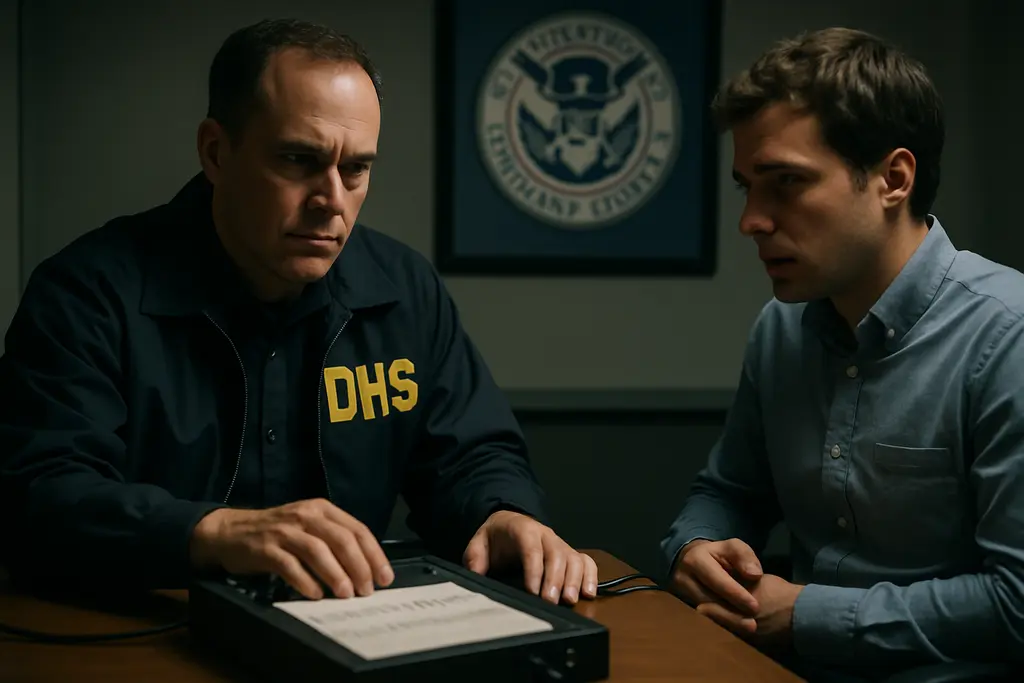
DHS polygraph fairness became a practical workplace integrity concern after reported polygraph use in investigations involving federal employees, contractors, security clearances, and allegations of improper process. For any employer or agency using polygraph information, the central question is not whether a test can be useful in every situation. The sharper question is whether the process gives people notice, limits coercive pressure, documents the purpose of the exam, and keeps results in proportion to the evidence.
As a polygraph examiner and compliance consultant, I treat that distinction as essential. A polygraph is an investigative tool, not a substitute for fair procedures. In sensitive government settings, the stakes can include administrative leave, clearance suspension, reassignment, reputational harm, or the loss of access needed to perform a role. That means workplace integrity depends as much on process design as on the technical administration of the exam.
Why DHS Polygraph Fairness Became A Workplace Integrity Issue
DHS Polygraph Fairness Starts With Notice
In July 2026, the Guardian reported that some DHS civilian employees described polygraph exams as tools of intimidation rather than routine security reviews. The report said employees described hours-long examinations, limited opportunity to respond to allegations before testing, and concerns that refusal could affect jobs or clearances. It also reported sessions lasting up to six hours, including repeated sessions for some employees, and described employees being read Miranda rights before questioning, a practice more commonly associated with criminal proceedings than ordinary employment reviews Guardian investigation.
Those allegations matter because DHS polygraph fairness cannot be assessed only by asking whether an exam occurred. The surrounding process is part of the integrity assessment. Was the person told the subject of concern? Was the exam voluntary, mandatory, or tied to a clearance condition? Were refusal consequences stated accurately? Was the employee given a route to respond to adverse information before career-impacting decisions were made?
Length, Pressure, And Role Clarity
Long examination sessions are not automatically improper, but duration can change the character of an interview. A lengthy session that lacks clear breaks, clear scope, and clear explanation can be perceived as pressure rather than evidence gathering. That perception can damage trust even if the agency believes it is acting within authority.
Role clarity also matters. An examiner may collect physiological data, ask relevant questions, and conduct a structured interview. A manager or agency decision-maker must then decide how much weight the result deserves. Those roles should not be blurred. If a test result is treated as a final employment verdict, the organization risks overstating what the method can responsibly support.
The CISA Incident And The Due Process Question
What Was Reported In 2025 And 2026
Concerns over process were also raised in relation to a CISA polygraph incident. According to a March 13, 2026 congressional letter, at least five career staffers and one contractor received DHS letters on August 1, 2025 stating that their security clearances had been suspended after they arranged a counterintelligence polygraph exam. By August 4, 2025, they were placed on administrative leave during the investigation. The same congressional letter said the incident centered on Dr. Madhu Gottumukkala, then Acting Director of CISA, failing two required counterintelligence scope polygraphs in July 2025 for access to a Controlled Access Program, and it requested an independent investigation into whether established directives were followed congressional letter.
The reported sequence raises a workplace integrity issue that reaches beyond one agency. When staff members perform an administrative or security-related task, and adverse action follows a controversial outcome, the record should clearly separate the test subject, the exam administrators, the employees who scheduled or facilitated the process, and the decision-makers who imposed personnel or clearance consequences.
Why Independent Review Matters
Independent review is not an admission that an agency acted improperly. It is a control mechanism. In polygraph-related disputes, review can examine whether authority existed for the exam, whether the scope matched the stated security purpose, whether notices were accurate, whether documentation supports each step, and whether personnel actions were proportionate to known evidence.
For DHS polygraph fairness, that review function is especially important because clearance and access decisions can have immediate operational effects. Administrative leave and suspended clearance status may be reversible in theory, but they can still disrupt teams, delay work, and affect professional standing. A process that is later corrected may still have caused avoidable harm if initial safeguards were weak.
Practical Safeguards For Polygraph-Based Investigations
Set The Scope Before Testing
A defensible polygraph process starts before the instrument is attached. The organization should define the reason for the exam, the authority for using it, the category of questions to be asked, the expected use of results, and the limits on who will receive the report. Where security clearance rules apply, the process should identify which decision is at issue: access eligibility, incident investigation, counterintelligence concern, or internal misconduct review.
Clear scope helps the employee and the examiner. It reduces the risk that a screening exam becomes a wide-ranging interrogation. It also allows later reviewers to determine whether the questions asked were relevant to the stated purpose. For workplace readers interested in the transparency side of DHS practices, this related analysis on polygraph transparency in DHS test administration is a useful companion topic.
Keep Results In Proportion
No responsible examiner should present a polygraph as direct proof of truth or deception. The test records physiological responses associated with stress, attention, and other factors during structured questioning. Those data can assist an investigation, but they should be weighed with documents, access records, witness statements, prior disclosures, and the subject’s opportunity to respond.
- Give written notice of the exam purpose and the consequence of refusal where policy permits.
- Separate exam administration from final employment or clearance decision-making.
- Document the question scope, relevant issue, and reporting limits.
- Allow a meaningful response to adverse information before major action is finalized.
- Use review by officials who were not involved in the original dispute when credibility is contested.
DHS polygraph fairness also depends on how uncertainty is reported. If a result is inconclusive, qualified, or dependent on conditions, the report should say so plainly. Overconfident language can turn an investigative signal into an unsupported conclusion. In workplace integrity work, that is where preventable risk often enters.
Managing Workplace Integrity Without Overstating Polygraph Evidence

Transparency Supports Trust
Fair process is not a barrier to security. It is part of security. Employees are more likely to cooperate with sensitive investigations when they understand the reason for questioning, the boundaries of the exam, and the procedures for challenging errors. Agencies and employers also benefit because documented fairness makes decisions easier to defend if later questioned.
There is a broader professional point here for organizations outside DHS as well. Any workplace that uses credibility assessment tools should be cautious about importing security practices without the same legal authority, policy structure, and review channels. Related sites in the same professional network, such as Interline Publishing, often address how clear standards and careful documentation improve trust in high-stakes professional services.
Fairness Is A Control, Not A Courtesy
In polygraph work, fairness is sometimes described as an employee-relations concern. That framing is too narrow. Fairness is a control against bad information, rushed judgments, inconsistent treatment, and loss of institutional trust. It protects the subject of the exam, but it also protects the organization from decisions that cannot withstand scrutiny.
A sound process should ask whether the exam was necessary, whether less intrusive evidence was available, whether the person understood the setting, and whether decision-makers treated the outcome as one item in a broader record. Those questions do not weaken workplace integrity. They make it more durable.
DHS Polygraph Fairness After The 2025 And 2026 Reports
The 2025 CISA episode and the July 2026 reporting on DHS polygraph practices left a clear lesson for compliance leaders: polygraph use must be paired with transparent authority, careful scope control, and credible review. DHS polygraph fairness is not measured by the existence of a test alone. It is measured by whether people affected by the process received notice, whether pressure was limited to lawful and policy-supported requirements, whether decision-makers understood the evidentiary limits, and whether independent review was available when careers or clearances were placed at risk.
Polygraph services can support sensitive investigations when they are used cautiously and documented well. They become risky when treated as a shortcut around due process. In workplace integrity settings, the most reliable approach is to use polygraph information as part of a structured evidence process, never as a stand-alone substitute for fair inquiry.