
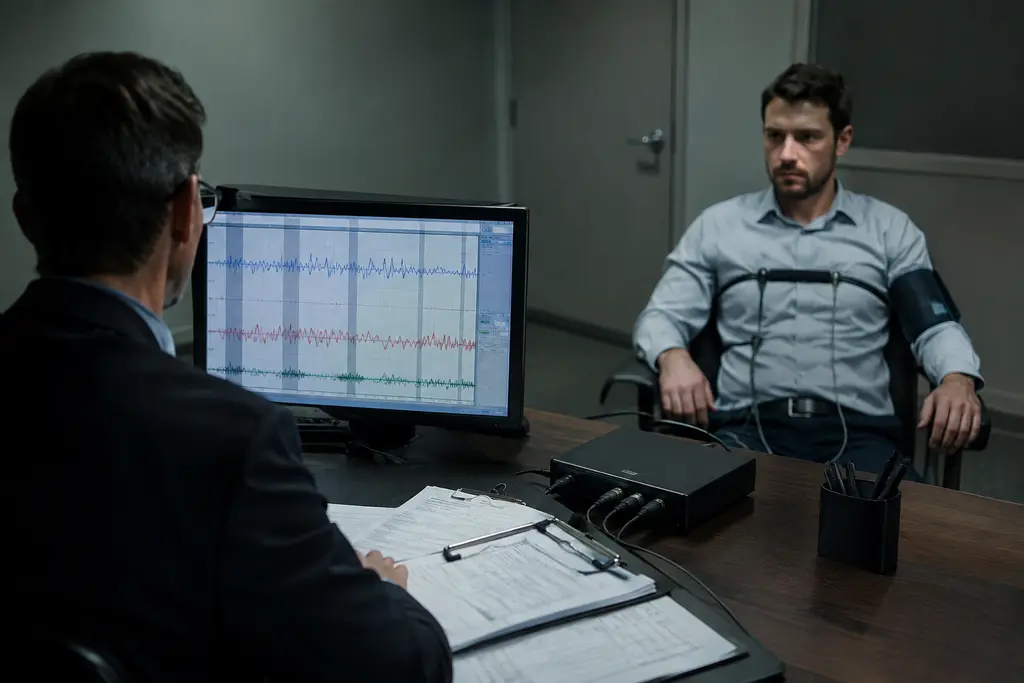
EPPA Compliance in workplace polygraph testing begins with a restrained premise: most private employers may not require, request, suggest, or cause an employee or applicant to take a lie detector test. That starting point matters because workplace integrity programs can lose credibility when testing is treated as a shortcut rather than a controlled investigative tool. The Employee Polygraph Protection Act limits use, sets procedural safeguards where testing is allowed, and restricts adverse action based only on a test result or refusal.
For corporate investigators, human resources teams, and legal reviewers, the practical issue is not whether polygraph services can ever support an inquiry. They can, but only in defined settings and only with documented controls. A sound program treats the test as one piece of a broader evidence file, not as a verdict. This analysis is for general compliance planning and is not a substitute for legal advice.
Why EPPA Compliance Sets The Starting Point
What The Federal Rule Bars
The Department of Labor states that the EPPA generally prohibits most private employers from using lie detector tests for pre-employment screening or during employment, and from discharging, disciplining, discriminating against, or denying employment or promotion based on test results or refusal to take a test DOL EPPA guidance. That rule should shape policy language before any workplace incident occurs.
A useful integrity policy avoids broad language suggesting that employees may be tested whenever management wants reassurance. Such language can create confusion even if no test is administered. A clearer policy states that any polygraph-related request must be reviewed against federal limits, state requirements, and documented investigative need.
Where Exemptions Begin
The same federal guidance identifies limited exemptions, including certain security service firms, pharmaceutical firms that handle controlled substances, and specific investigations of economic loss where reasonable suspicion points to a current employee. These exceptions are narrow. They do not allow routine testing simply because inventory is missing, a cash shortage occurred, or management wants to screen a group of employees.
For managers, EPPA Compliance means slowing the process before contacting an examiner. The employer should identify the incident, confirm that it involves economic loss or another recognized exemption, document why a particular employee had access to the property or matter under review, and separate suspicion from speculation. A general sense that someone “must know something” is not the same as individualized reasonable suspicion.
Permitted Testing Still Requires Guardrails
EPPA Compliance And The Narrow Exception
Even where an exemption appears available, the employer’s responsibilities continue. Testing should be tied to a specific incident, not used as a fishing expedition. The fact that a business operates in a sensitive sector does not remove the need for notice, limits on questions, and a careful record of why the examinee was selected.
The best operational success stories in this field are often quiet ones: a company pauses before testing, documents the limits, decides that the evidence is too thin, and resolves the matter through inventory controls, access review, interviews, or restitution procedures. That kind of decision may not look dramatic, but it protects employees from overreach and protects the employer from avoidable exposure.
Notice And Examinee Rights
When a test is permitted, the employer must provide written notice before the examination. The Department of Labor’s fact sheet explains that the notice must describe the specific incident, the basis for reasonable suspicion, the employee’s access to the property under investigation, and related required information; it also states that the examinee has the right to review questions before the test and to stop the test at any time DOL Fact Sheet #36.
Examiner qualifications matter as well. The research record states that examiners must be licensed where state law requires it, maintain a minimum bond or professional liability insurance often identified as $50,000, and follow procedural safeguards across the pre-test, testing, and post-test phases. Employers should confirm these points before scheduling, not after a dispute arises.
Recent EPPA Compliance Developments For Employers
The penalty environment has become a sharper compliance issue. As of January 16, 2025, the research record identifies civil money penalties of up to US$26,262 per violation. It also notes that employees or applicants may seek court relief, including reinstatement, lost wages, benefits, and other equitable remedies, and that claims generally must be filed within three years of the alleged violation.
October 2026 also raised practical record-control concerns. The research record described Department of Labor activity involving Information Collection Request 202609-1235-001, Form WH-1481, and continued third-party notice and record-keeping duties. It also identified October 31, 2026, as the listed expiration date for that form. That date should not be read as ending the statute or removing notice duties. It is a reminder to verify the latest DOL materials before relying on older templates.
The same research record states that a revised EPPA poster was required as of October 2026. Employers should treat workplace posting as a live compliance task. A poster that is missing, outdated, or hidden from ordinary employee view can undermine the employer’s position, especially if the employer later tries to rely on an exemption.
A practical EPPA Compliance file should show which version of the notice and poster was used, who reviewed the exemption, what incident was under investigation, which evidence existed before the test, and what evidence existed apart from the test. For a deeper policy checklist on this site, see the related discussion of EPPA compliance controls.
Building A Defensible Polygraph Process

Evidence Before Examination
A defensible process starts with evidence that can be described without relying on the future test result. That may include access logs, transaction records, inventory counts, witness statements, video review, chain-of-custody records, or documented admissions. The point is not to collect every possible fact before testing. The point is to avoid using the polygraph as the only reason for suspicion.
Under the research record, if an employer imposes discipline based on a test result or refusal within an exemption, the result or refusal cannot be the sole basis for adverse action. That rule reflects a broader ethical concern: a physiological test is not the same as direct proof of misconduct. Sound employers treat test information as subject to review, corroboration, and challenge.
Controls That Reduce Disputes
Employers can reduce risk by separating the investigation role from the final employment decision where possible. The person who schedules the examination should not be the only person deciding discipline. Human resources, legal counsel, and operations leaders should each understand their role before the test is requested.
- Confirm that the employer is covered by the EPPA and that no governmental or national security exception changes the analysis.
- Identify the specific exemption before any request is made to the employee.
- Preserve the written notice, question list, examiner credentials, and testing records.
- Document evidence that exists apart from the polygraph result or refusal.
- Review state law requirements before selecting an examiner.
Cross-functional ethics programs may also benefit from insights and related integrity resources available at AGHEIRO, although such resources do not replace EPPA-specific review. The value of outside material is greatest when it helps managers ask better questions, not when it is used to bypass statutory safeguards.
EPPA Compliance Responsibilities In Polygraph Testing
EPPA Compliance responsibilities belong to more than the examiner. The employer controls the request, the workplace notice, the exemption analysis, the evidence file, and the employment decision. The examiner controls professional testing procedure, but the employer remains accountable for why the test was requested and how the result was used.
Handled carefully, EPPA Compliance can support a fairer workplace integrity process by forcing documentation, limiting overbroad testing, and reminding decision-makers that polygraph information has limits. Handled casually, the same tool can create legal exposure and damage employee trust. The responsible path is narrow, documented, and evidence-led.