
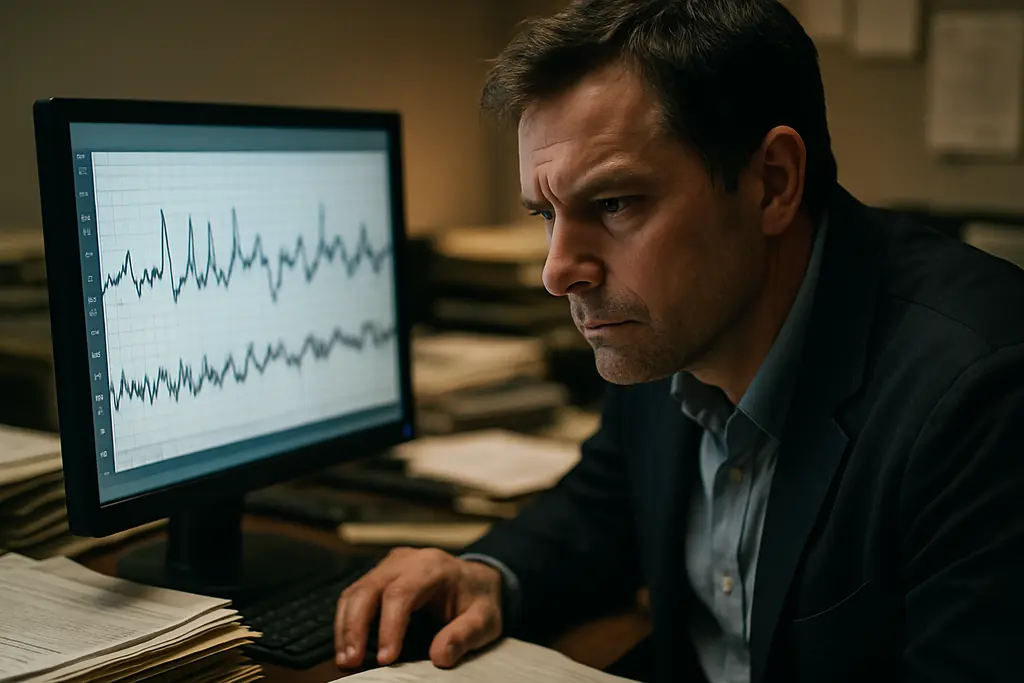
On September 11, 2026, a former Cumberland County sheriff’s deputy and polygraph examiner was arrested in Portland, Maine, after allegations involving falsified polygraph tests for law enforcement hiring processes. Spectrum News reported that Regan J. Goan, age 51, faced multiple misdemeanor charges tied to alleged false reporting of polygraph work, including charges connected to public records and Maine polygraph examiner requirements Spectrum News report. The allegations remain allegations, not final findings, but the case is useful for employers, agencies, and examiners because it shows how quickly trust can be damaged when testing records are treated as self-validating.
A polygraph program can support workplace integrity only when its limits are clear. A chart, report, or examiner certification does not replace oversight. In sensitive hiring, especially for public safety roles, the ethical question is not only whether a test result appears favorable or unfavorable. The stronger question is whether the process was documented, verifiable, confidential, and consistent with the purpose for which the examination was requested.
Why Falsified Polygraph Tests Matter
Falsified Polygraph Tests In Hiring Records
Falsified polygraph tests matter because a hiring record is not just an internal file. It can affect applicant screening, agency confidence, background investigation decisions, and later assessments of whether a hiring process was fair. If an examiner reports that an examination occurred when it did not, the reported result may create a false sense of diligence. The employer may believe it has completed a screening step, while the applicant may have been placed into a record system that does not accurately describe what happened.
The Maine allegations are especially concerning because they involved law enforcement hiring, a setting where public confidence is already tied to process integrity. That does not mean every polygraph program is unreliable. It means any program that relies on an outside examiner should include controls that do not depend solely on the examiner’s own statement that the work was done.
What The Maine Allegations Show
The case shows a distinction that employers sometimes miss: polygraph ethics is not limited to the final opinion. Ethical practice starts before the examination, with consent, scope, identity verification, equipment use, question structure, and accurate recordkeeping. It continues after the session, with secure retention and careful disclosure. A false report can therefore create harm even if no one claims that a physiological chart was misread. The ethical breach is in the gap between the reported process and the actual process.
For organizations that use vendors, the lesson is practical. Procurement and recruitment teams should treat polygraph services like other sensitive screening services: the contract, scope of work, billing record, applicant communication, and file audit trail should align. To learn more about how screening steps can effectively be part of a documented hiring process, explore resources from Alliance Recruitment, a related site in the same network.
Confidentiality, Records, And Practical Limits
Maine Confidentiality Rules
Maine law gives polygraph records a specific confidentiality status. Title 32, section 7365 states that polygraph examination records, including pre-test, in-test, and post-test information, are confidential and are not admissible in civil actions unless the person examined waives confidentiality in writing Maine confidentiality statute. That rule reflects a core ethical point: polygraph records are sensitive, and access should not be casual.
Confidentiality, however, is not the same as opacity. A workplace can protect the subject’s records while still maintaining an auditable trail showing that required steps occurred. For example, an employer may not need broad access to every examination detail to verify that the appointment took place, the examiner was licensed where required, the test scope matched the request, and the final report was received through an approved channel.
Why Records Need Separation
Good governance separates three categories of information. The first is the applicant’s confidential examination content. The second is the employer’s administrative proof that a required screening step occurred. The third is the decision record explaining how the employer weighed all available information. Keeping those categories separate reduces the risk that confidential material will be overused, while still allowing an organization to check whether a vendor performed the assigned task.
This separation is also helpful because polygraph information should rarely be treated as a stand-alone employment answer. Testing may contribute to an inquiry, but ethical decision-making requires corroboration, policy consistency, and a clear statement of what the test can and cannot establish. For a related discussion of disclosure and corroboration, see this site’s analysis of ethical polygraph testing.
Workplace Controls For Ethical Polygraph Use
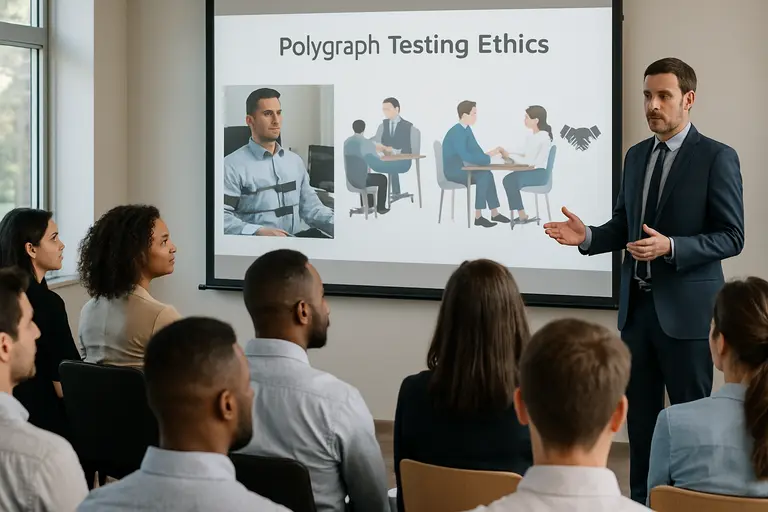
Oversight Before Reliance
Successful integrity programs avoid treating examiner reports as immune from verification. That does not require an employer to invade confidential records. It does require basic controls. The aim is to confirm process integrity without overstating what a polygraph can prove.
| Control | Practical Purpose | Ethical Limit |
|---|---|---|
| Written scope before testing | Confirms the purpose, subject, and authorized questions | Should not expand beyond the agreed inquiry |
| Appointment and identity confirmation | Shows that the correct person attended the correct session | Should collect only necessary verification details |
| Licensing or qualification check | Confirms the examiner is authorized for the assigned work | Does not prove that every examination was valid |
| Administrative audit trail | Links request, service delivery, report, and invoice | Should not expose confidential test content unnecessarily |
| Decision review | Checks that the result was weighed with other evidence | Should not treat the result as certainty |
These safeguards do not eliminate risk. They do make it harder for a paper record to drift away from what happened in the room. That is the central workplace lesson from falsified polygraph tests: integrity depends on process evidence, not trust alone.
Clear Communication With Applicants
Applicants and employees should be told what the polygraph process is for, who will receive the report, how confidentiality will be handled, and whether other evidence will be considered. They should not be given exaggerated claims about accuracy or certainty. Clear communication protects the organization as well as the person being examined, because it reduces misunderstanding about the weight of the result.
Employers should also define who may speak for the organization if a concern arises. If an applicant reports that a scheduled test did not occur as described, the report should be routed to someone with authority to pause reliance on the file, preserve relevant administrative records, and request clarification without exposing confidential material beyond those with a need to know.
Maine Case Study On Falsified Polygraph Tests
The Maine case study on falsified polygraph tests is not a reason to dismiss every polygraph service. It is a reason to insist on transparent administration, careful vendor review, and modest claims about what testing can establish. Ethical polygraph use depends on the same features that support workplace trust in other screening practices: documented scope, accurate records, confidentiality, independent review, and willingness to correct errors.
As of September 29, 2026, the public information described charges and allegations, not a completed adjudication. That distinction matters. Ethical analysis should not presume guilt, but it can still draw process lessons from the reported facts. When a hiring system relies on sensitive screening, the strongest success story is not a dramatic result. It is a process that remains credible when someone asks how the result was produced, who checked it, and what limits were placed on its use.