

Success stories about polygraph testing should be read with care. The most useful examples are not stories where a test is treated as a final answer, but situations where a structured exam supports workplace integrity by prompting better questioning, clearer accountability, and more disciplined handling of sensitive information.
Recent federal leak inquiries offer a practical reference point. In April 2025, the FBI confirmed that it had begun using polygraph exams in internal investigations aimed at identifying employees responsible for unauthorized disclosures, according to a Reuters report. The episode did not prove that polygraphs solve every integrity problem. It did show why agencies with high confidentiality demands may use the tool as one part of a broader evidence process.
Workplace Integrity Lessons From Federal Use
Workplace Integrity Signals In Leak Inquiries
Federal leak investigations are a useful setting because the stakes are high and the records are rarely public in full. In those settings, workplace integrity can mean more than general honesty. It can involve controlling access to restricted information, documenting who received sensitive material, and confirming whether internal communication rules were followed.
The Washington Post reported in April 2025 that the FBI and other national security agencies were using polygraphs in leak-related inquiries, describing the practice as part of broader pressure to stop unauthorized disclosures reported by The Washington Post. That reporting is significant because it places polygraph use inside a wider integrity program rather than portraying it as a stand-alone detector of wrongdoing.
Research supplied for this article also described August 2026 polygraph testing involving roughly 50 members of the Joint Staff during a leak inquiry tied to reports about critical munitions shortages in the war with Iran. As of September 4, 2026, the account described the inquiry as unusual because of the number and seniority of personnel involved. Public details available from the research do not establish how many matters were closed, whether discipline followed, or whether the tests identified a specific source. That uncertainty matters.
Why Deterrence Is Different From Proof
A polygraph may influence conduct even when it does not produce a public finding. Employees who know that an agency is reviewing leaks through interviews, document checks, access logs, and examinations may become more cautious about sharing sensitive material outside approved channels. That deterrent effect is often part of the institutional rationale.
Still, deterrence is not the same as proof. A cautious workplace may protect sensitive information, but it may also chill legitimate internal discussion if employees believe the process is unclear or overly broad. The better success story is therefore not simply that polygraphs were used. It is that a testing program had defined questions, trained examiners, records showing why the exam was needed, and a process for interpreting results alongside other evidence.
What A Polygraph Success Story Can And Cannot Prove
Supported Success Indicators
The strongest supported lesson from the 2025 federal examples is operational, not statistical. The FBI confirmation showed that a major agency was willing to use polygraph exams in internal leak investigations. The broader reporting showed that national security bodies viewed the tool as relevant to unauthorized disclosure inquiries. Those facts support a cautious claim: polygraphs can aid workplace investigations when the issue involves sensitive access, internal accountability, and possible policy breaches.
That claim should not be stretched. The public record described in the research does not provide a reliable discipline rate, clearance outcome rate, or error rate for the recent leak inquiries. It also does not allow a fair comparison between agencies that used polygraphs and those that did not. For corporate and legal readers, the absence of public outcome data means any lesson should focus on process design rather than promised results.
Limits That Decision Makers Should Preserve
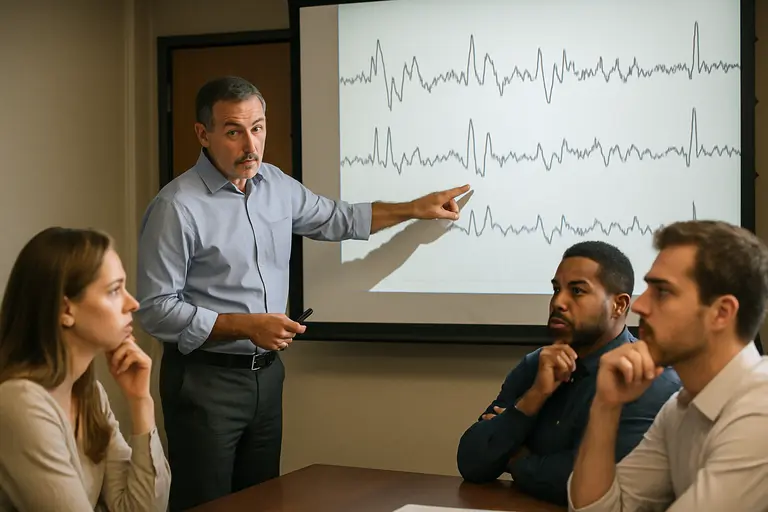
A polygraph records physiological responses associated with stress, attention, and other reactions during questioning. Those measurements may assist an investigation, but they do not directly read a person’s mind. A defensible program treats the exam as an investigative aid, not a verdict.
That distinction is especially relevant in private employment. Federal law places limits on many employment-related uses of polygraph testing, and state rules may also matter. This article is not legal advice. Before adopting any testing procedure, an employer should obtain qualified legal review and document why the proposed use fits the organization’s duties, policies, and risk profile.
Controls That Make Testing More Defensible
Policy Controls Before The Exam
Polygraph services are most credible when they begin with written rules. The organization should know what issue is being examined, who authorized the test, which records support the need for questioning, and how results will be used. Vague suspicion is a weak foundation. A defined incident, limited question set, and documented chain of review are stronger.
Communication also affects trust. Employees should be told the purpose of the examination, the general process, how privacy will be handled, and who will receive the results. For organizations refining that communication step, the related discussion of ethical polygraph services is relevant because it centers consent, limits, and evidence quality rather than promises of certainty.
Evidence Controls After The Exam
The result should be compared with other information. That may include access logs, interview statements, security records, document distribution lists, device records, or badge activity, depending on the setting. A single unfavorable result should not be treated as the whole case. A favorable result should not erase contradictory evidence either.
- Define the incident or policy concern before selecting subjects.
- Use qualified examiners and standardized procedures.
- Keep the question scope narrow and relevant.
- Separate exam interpretation from final employment decisions.
- Review privacy, consent, and legal limits before testing begins.
These controls do not guarantee accuracy. They reduce avoidable error and help show that the organization used the tool for a legitimate purpose. That is the practical standard decision makers should seek.
Using Polygraph Results Without Overclaiming
How Corporate Leaders Can Read Federal Examples
Corporate leaders sometimes look to federal agencies for models. That comparison has limits. National security agencies operate under duties, clearance systems, and confidentiality demands that differ from ordinary private workplaces. A process that is justified in a classified leak inquiry may be inappropriate for a routine personnel dispute.
The lesson worth carrying over is narrower: sensitive roles need clear controls. Where an employee has access to trade secrets, client information, security credentials, financial systems, or regulated data, the employer may need stronger integrity safeguards. A polygraph exam might be considered only where legally allowed, factually justified, and paired with less intrusive evidence gathering.
Why Presentation And Trust Still Matter
Investigative tools are judged not only by their technical design but also by how they are presented. A process that looks punitive from the start may increase fear and reduce cooperation. A process explained in plain terms, with clear limits and documented safeguards, has a better chance of being understood as an accountability measure.
When considering how presentation affects perception, organizations could find a related professional image resource valuable, provided it emphasizes the importance of evidence and fairness in procedures.
The success stories that deserve attention are modest but real. A polygraph program can signal that sensitive information is being protected, can help investigators organize questioning, and can add a deterrent layer in high-risk environments. It should not be advertised as a guaranteed truth machine.
Workplace Integrity Takeaways For Employers
A Practical Standard For Sensitive Roles
The recent federal examples suggest a practical standard: use polygraphs only when the question is serious, the scope is narrow, and the result will be weighed with other evidence. That is a more credible approach than using testing as a broad loyalty screen or as a substitute for ordinary supervision.
For employers, the central question is not whether a polygraph can create certainty. It cannot. The better question is whether a carefully limited exam can improve a specific investigation while respecting legal boundaries, privacy expectations, and employee trust.
Under that standard, workplace integrity is maintained through systems, not slogans. Polygraph testing may aid those systems in select settings, especially where leaks, sensitive access, or internal compromises are under review. Its value depends on restraint: clear authorization, careful communication, qualified administration, independent corroboration, and a willingness to acknowledge what the exam can and cannot prove.