
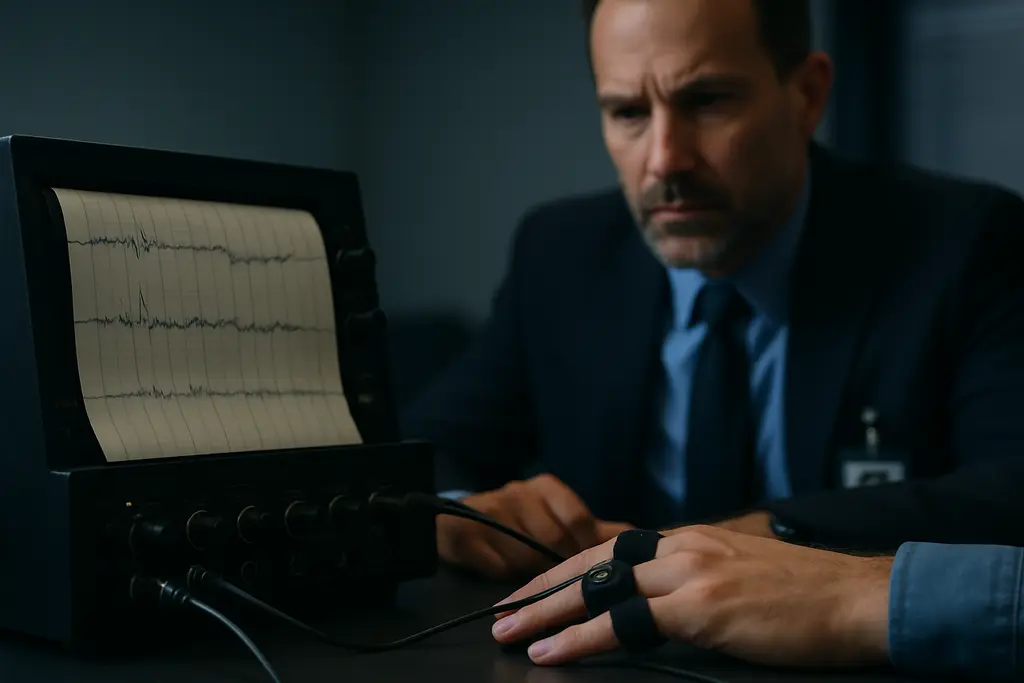
DHS polygraph use has drawn renewed scrutiny after recent reporting described lengthy examinations, career pressure, and leak-related testing inside federal security agencies. For employers, investigators, and polygraph service providers, the key issue is not whether polygraph testing can ever provide useful information. The more practical question is whether the test is used with a clear purpose, proportionate limits, informed participation, and a fair process for reviewing what the result does and does not show.
Polygraph testing is a sensitive tool because it sits at the point where institutional trust, employee rights, security concerns, and evidence quality meet. In federal settings, the stakes can include security clearance, assignment status, and continued employment. In private workplace settings, legal limits are generally far tighter, especially for pre-employment and routine employee testing. That difference makes federal examples useful for analysis, but not automatically transferable to corporate practice.
Understanding DHS Polygraph Use In Practice
Reported Exam Length And Pressure
On July 11, 2026, The Guardian reported that multiple current and former DHS officials described polygraph examinations lasting up to six hours during Kristi Noem’s tenure, with some employees characterizing the tests as tools of intimidation rather than routine security review The Guardian report. The same report said employees believed refusal could bring serious consequences, including loss of security clearance, reassignment far from existing duties, or termination.
Those allegations matter because exam length and perceived compulsion can affect how a workplace integrity process is judged. A long examination is not automatically improper, and a security agency may have duties that differ from those of an ordinary employer. Still, any process that employees experience as punitive before findings are reviewed creates risk for morale, procedural fairness, and confidence in management.
Why DHS Polygraph Use Raises Workplace Integrity Questions
DHS polygraph use also raises a broader integrity question: what problem is the examination meant to solve? A polygraph used as part of a defined counterintelligence or security review differs from a test used to send a message, identify critics, or pressure employees during an internal dispute. The ethical line is clearest when the organization can explain the purpose in advance, limit questions to that purpose, preserve records, and separate test data from unsupported assumptions about character.
In April 2025, The Washington Post reported that the FBI had begun using polygraph tests to identify government employees suspected of leaking information to the media, prompting concern about a “climate of fear and intimidation” Washington Post coverage. Although that report concerned the FBI and national security agencies rather than only DHS, it shows why leak inquiries can become ethically difficult when testing is perceived as a loyalty screen rather than a focused investigative step.
Ethical Boundaries For Federal And Workplace Testing
Consent Is More Than A Signature
Consent in a high-stakes employment setting is rarely as simple as signing a form. An employee may technically agree while also believing refusal could damage a career. That distinction is especially relevant in federal security environments where clearances and assignments can shape a person’s professional future. For polygraph services, ethical practice should treat consent as a process: explain the purpose, identify the authority for the exam, define the question scope, and describe how results may be used.
Private employers should be even more cautious. The research notes for this article state that the Employee Polygraph Protection Act generally prohibits most private employers from using polygraphs for pre-employment screening or during employment, while federal government functions involving national security, intelligence, and counterintelligence have exemptions. That means DHS polygraph use cannot be treated as a model for ordinary corporate testing. A corporate integrity program should seek qualified legal guidance before considering any employee polygraph exam.
Polygraph Results Are Not A Standalone Verdict
A polygraph records physiological responses associated with stress and arousal. It does not directly record truth. That limitation should shape how any result is handled. A concerning chart pattern may justify further inquiry, but it should not be treated as conclusive proof of misconduct. A clear result may reduce suspicion in some contexts, but it should not erase other reliable evidence.
For service providers, the ethical standard is evidence discipline. The examiner should avoid overstatement, document test conditions, and report findings in a way that preserves uncertainty. For agencies and employers, the same discipline requires independent corroboration before adverse action. A test result is most useful when it helps structure further inquiry, not when it replaces judgment.
Practical Controls For Responsible Polygraph Services
Documentation And Scope Control
Responsible testing starts before the first question is asked. The requesting organization should define the concern, document why a polygraph is being considered, and limit the examination to questions tied to that purpose. Overbroad questioning can turn an integrity tool into a general fishing exercise. That is poor practice in any workplace and especially risky where employees may fear retaliation.
- State the investigative purpose in plain language before the exam.
- Limit relevant questions to the approved purpose.
- Separate admissions, chart interpretation, and examiner opinion in the report.
- Give decision-makers a process for reviewing contested or unclear findings.
- Avoid using refusal alone as a substitute for evidence of misconduct.
These controls do not guarantee accuracy or fairness, but they reduce avoidable harm. They also create a record showing that the organization treated the process as an evidence-gathering step rather than a predetermined outcome.
Communication Before And After Testing
Communication is often where polygraph programs lose trust. Employees should understand who requested the test, what topics are included, what topics are excluded, who will receive the report, and what review options exist. This is one reason transparency-focused resources, including guidance on DHS polygraph fairness, are relevant to any agency or employer assessing high-stakes testing practices.
Clear communication also helps polygraph service providers stay within their professional role. The examiner should not promise certainty, threaten employment consequences, or imply that physiological data alone resolves the matter. Those decisions belong to the requesting authority and should be made through a documented review process. Readers comparing integrity and documentation practices across professional communities may also encounter The Sketchbook Project, a related site in the same network, which offers insight into the interplay of creative documentation.
DHS Polygraph Use And Ethical Guardrails
A Cautious Standard For High-Stakes Decisions
DHS polygraph use should be assessed through a cautious standard: lawful authority, defined purpose, proportionality, informed participation, evidence limits, and review. Recent reporting does not prove that every federal polygraph examination is abusive. It does show why agencies and service providers should avoid practices that appear designed to intimidate, punish, or pressure employees outside a fair investigative structure.
For corporate leaders, the lesson is narrower but still valuable. Polygraph testing, where legally permitted, should complement existing workplace integrity policies rather than replace them. Internal controls, reporting channels, document review, interviews, access logs, and supervisory review often provide evidence that is easier to verify. If a polygraph is considered, it should be one part of a larger process with safeguards against misuse.
The most defensible approach is modest: define the question, respect legal limits, avoid claims of certainty, and document how the result fits with other evidence. DHS polygraph use remains a high-stakes example because national security concerns can be real, but employee dignity and fair process remain real as well. Ethical polygraph practice requires both truths to be held at the same time.