
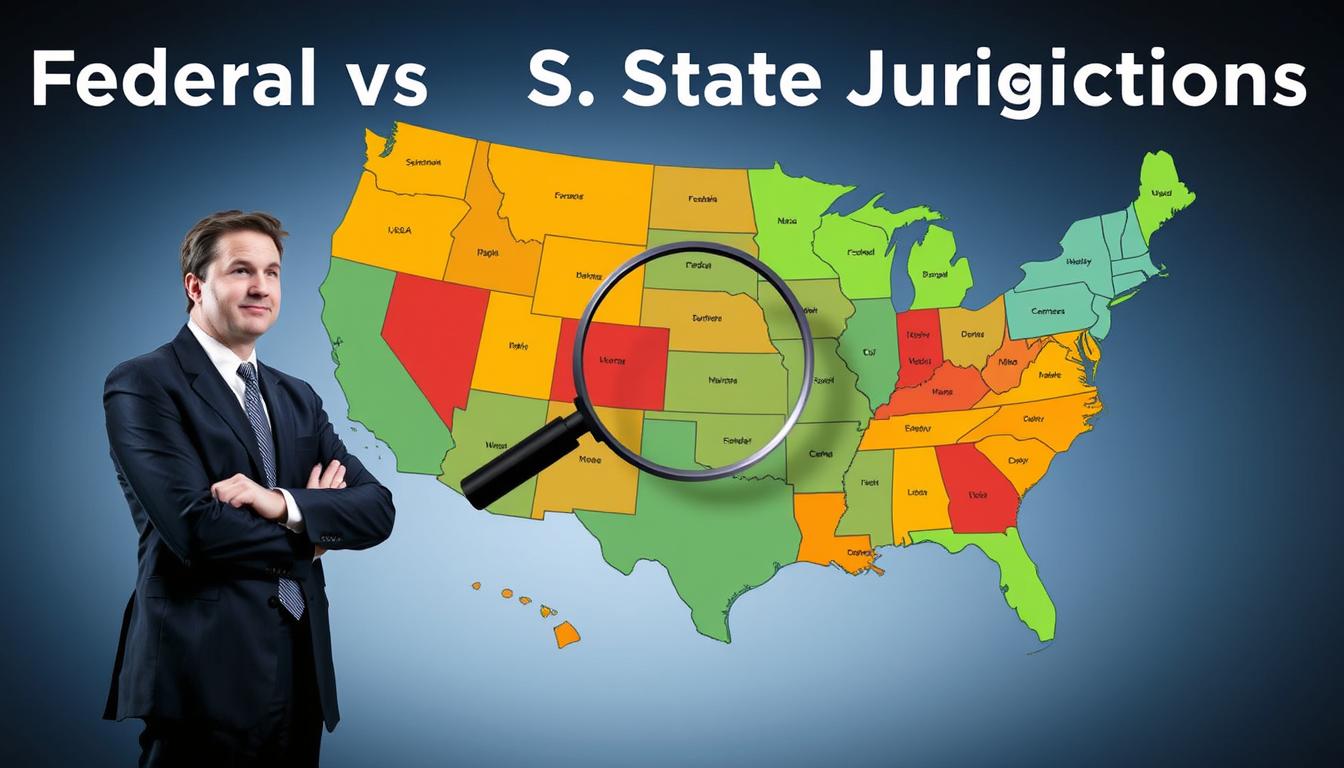
Imagine the great American tug-of-war. Washington D.C. is on one side, setting federal laws. Your state capitol is on the other, thinking it knows better. This battle is most interesting in the world of truth machines, or polygraphs.
The federal rule is the Employee Polygraph Protection Act of 1988. It tells private employers to stay away from lie detectors, with very few exceptions. This sets a national standard.
But, here’s the catch. Fifty state legislatures can add their own rules on top of this standard. They can make the rules stricter or create special exceptions. This creates a complex legal landscape, showing off regional variation.
Think about this: federal law (18 U.S.C. §§ 3563) lets probationers take polygraph tests. But, your right to say no to a test might not be the same in California as it is in Texas. This shows how power is divided and how laws vary. It’s more like “Variously Regulated” States than “United” States. Let’s sort out the mess.
Learn more about how jurisdiction works in the United States.
Map of State Policies
Trying to draw a U.S. policy on lie detector tests would be like creating a Jackson Pollock painting. Each state adds its own rules, making a big mess.
California is strict, banning most use of polygraphs in private jobs. Massachusetts is even more strict, saying no to polygraphs altogether.
But some states are more open. Texas lets polygraphs in certain jobs like security and pharmaceuticals. Florida is similar, but with more rules to follow.
This isn’t just a yes or no situation. It’s about the rules that come with it. Below is a table showing how three states handle polygraphs.
| State | General Stance | Key Industries Affected | Regulatory Tone |
|---|---|---|---|
| California | Strict Prohibition | Most Private Employment | Dismissive & Restrictive |
| Texas | Allows in Certain Industries | Security, Pharmaceuticals | Conditional & Procedural |
| Florida | Permits Under Specific Circumstances | Varied, with Heavy Regulation | Cautious & Prescriptive |
Licensing is another big issue. Who gets to give these tests? The rules vary a lot. Some places require a lot of training and testing.
Other places have less strict rules. It’s like they’re not taking it very seriously. You might wonder if the license is just a joke.
Then there’s the issue of reciprocity. Imagine your driver’s license only works in your own driveway. That’s what it’s like for polygraph examiners. A license in one state might not work in another.
So, why is it like this? It’s because of history, local politics, and different views on surveillance and evidence. Some states don’t trust polygraphs, while others see them as useful.
Understanding this requires a good map. For those interested in other civil rights issues, looking at state-by-state policy maps is interesting. The U.S. is never the same everywhere.
So, before you think about a polygraph test, check your local state laws. The rules change a lot. Your rights might depend on where you live.
Areas with Strict Bans/Allowances
If you think the law is always the same everywhere, you’ll be surprised. The regional variation in polygraph policy is like a patchwork quilt. It’s made by a group that can’t seem to agree.
In the private sector, the Employee Polygraph Protection Act (EPPA) is strict. It says no to most jobs. But, it has a special rule for certain cases. If you suspect someone of theft or corporate espionage, you can ask for a test.
This rule is hard to meet. You need clear evidence of wrongdoing. It’s not for random checks. It’s for serious cases only. The results can’t be used in court, but it’s allowed in some cases.
Now, let’s go to the federal building. Here, the rules change completely. Polygraphs are common, not rare. The government uses them to check on people on federal probation, mainly for sex crimes.
These tests are called “Maintenance and Monitoring” exams. People on probation must take them, often every six months. The government wants to make sure they’re telling the truth and following their treatment plans.
This shows a big difference. Polygraphs are banned for most businesses but required for the Department of Justice. This difference is huge, showing how we see polygraphs in different ways.
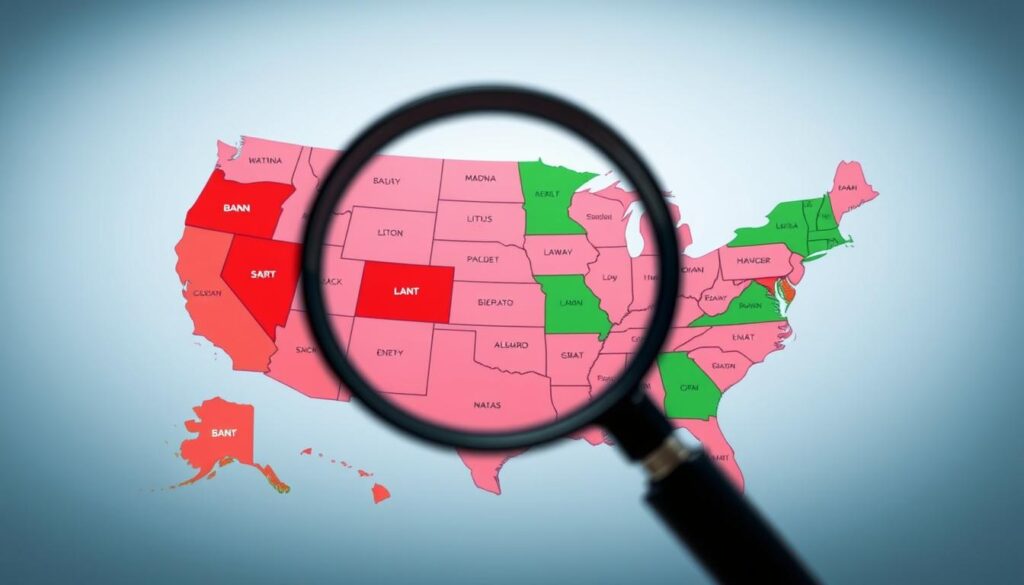
This regional variation isn’t just about where you are. It’s about who you are and why. A tool banned for private companies is okay for the government. The rules change based on who’s asking and why.
This situation is similar to other state-by-state legal issues in the U.S. Your rights and duties can change a lot, even at the county line. Knowing about legal issues with polygraphs is key for those dealing with them.
The main point is, the law has different views on polygraphs. It depends on where you are and what you do. This regional variation affects careers, freedoms, and what we consider true in the law.
Updates & Ongoing Legislative Debates
Think the polygraph legal map is finished? The ink is barely dry. This is a live wire, crackling with legislative static.
Every session, statehouses revisit the machine. Privacy advocates clash with security proponents. The core question remains: do we trust the science?
New reliability studies prompt some states to consider tightening their bans. Others flirt with expanding use for positions of public trust. This regional variation defines the American experiment.
Technology adds another twist. What happens when AI-driven voice stress analysis arrives? Our current state laws aren’t ready for that future.
The debate reveals our societal appetite for being tested. It’s less about detecting lies and more about power, control, and the fear of deception.
Will the patchwork of state laws ever become a uniform quilt? Don’t bet on it. The divisions might just deepen, a perfect reflection of our national mood.
Watch the legislative tremors. They tell you more about us than any polygraph chart ever could.